My father threw a party to celebrate kicking me out — two weeks later, he was begging 2312
Jul 14, 2026

My father threw a party to celebrate kicking me out — two weeks later, he was begging 2312

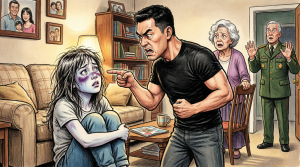
My father threw a BBQ to celebrate kicking me out. I pulled up to grab my last box and saw a huge banner over the garage: “Goodbye freeloader – don’t come back!”. My uncle was wasted screaming from the patio: “30 years old and no career! Your poor mother had to feed your lazy ass for years!”. My sister threw a hot dog at my car: “There’s your last free meal, loser!”. Even the kids were laughing and pointing. I didn’t react. Grabbed my box. Walked back to my car. Took a photo of that banner with everyone partying underneath. Two weeks later, sister: “Talk now”. Uncle: “Sweetie, I was drunk. I didn’t mean any of it.” Dad: “Call me back. Please. I’m begging you.”

My name is Ava Bennett. I’m 30 years old. And the day my father decided to celebrate throwing me out of his house, he did it like he was unveiling a grand opening.

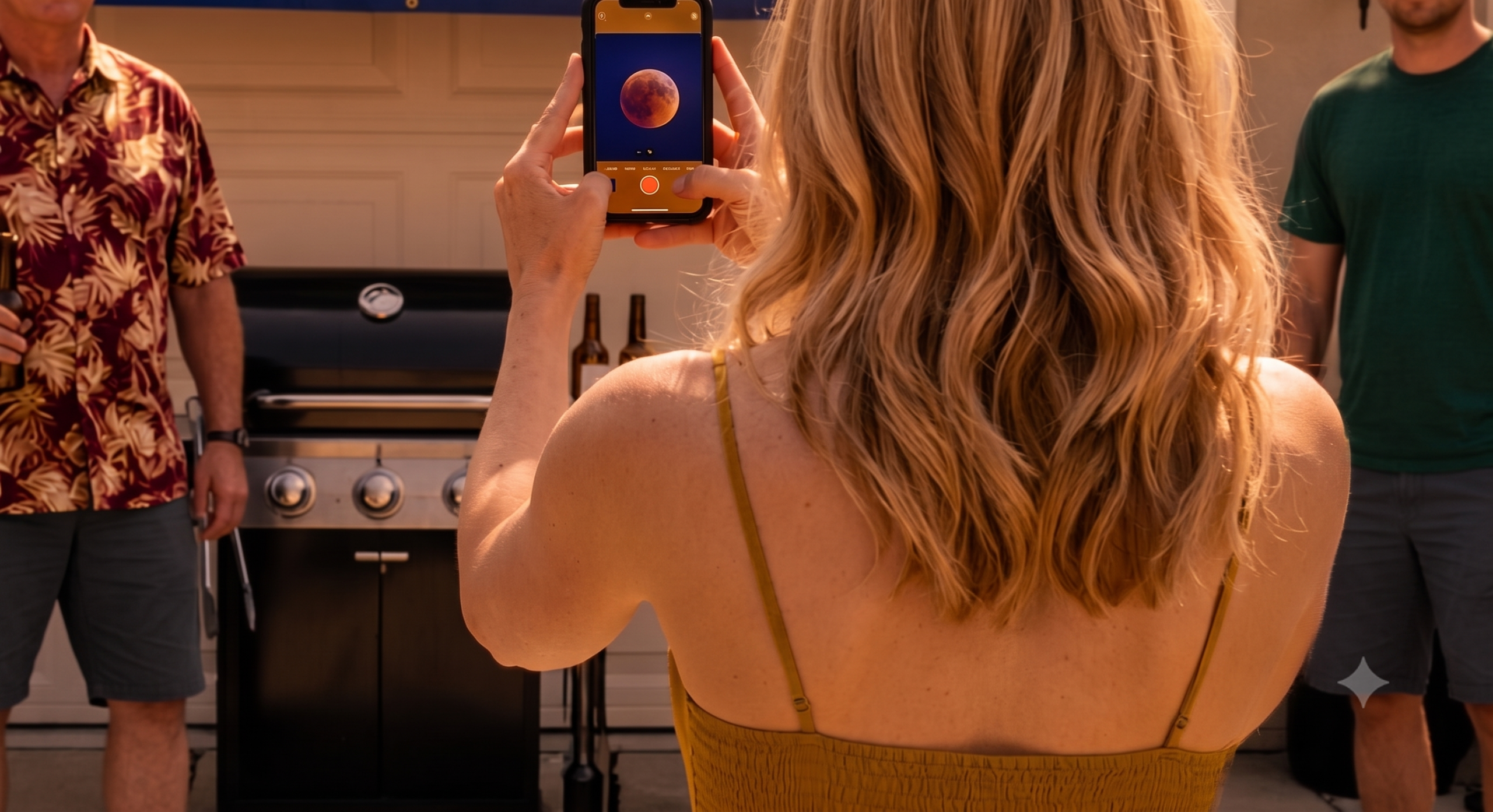
I pulled into the driveway to grab my last box and saw a giant vinyl banner stretched over the garage in red block letters. Goodbye, Freeloader. Don’t come back. The grill was smoking. Country music was blasting. People were laughing like this was some kind of neighborhood holiday.

From the patio, a drunk voice shouted that a 30-year-old woman with no real career should be ashamed for living off her parents. Another voice yelled that my poor family had carried me long enough. Then something hit the side of my car. A hot dog.

Someone screamed, “There’s your last free meal, loser.” Even the kids were pointing. I stood there holding my keys so tight they dug into my palm.

And the strangest part was this. Nobody there thought they were lying. That was the story they’d told so often, they believed it.

I didn’t argue. I didn’t cry. I walked inside, picked up the last banker’s box from the laundry room, came back out, and took one photo of the banner with everybody grinning under it. My father saw me do it and smirked like I was finally taking a souvenir from the place that had saved me.

I drove away without saying a word. Two weeks later, my phone lit up with messages I never thought I’d get. Talk now. Please call me back. I’m begging you.

Before I tell you what he said and what happened after I walked out, tell me what time it is where you are right now and where you’re watching from. I want to see how far this story travels.

The version my family told everyone was simple, clean, and humiliating in a way people love because it lets them feel superior. I was 30, divorced before I ever married because the engagement fell apart, working from a laptop, living in my dad’s house, and supposedly drifting through life while everybody else carried me.

That story played very well at church cookouts, neighborhood driveways, and under Facebook posts where people love typing things like tough love works. And maybe this will finally make her grow up.

The truth was messier, quieter, and far more useful to them if nobody ever said it out loud. I had moved back into my father’s place 3 years earlier after his sign company started bleeding money.

Bennett Graphics and Install used to do decent business making storefront signage, monument signs, trade show displays, and vinyl wraps for small businesses around Phoenix and the surrounding suburbs. Then supply costs shot up. Two big commercial clients paid late. One project got held up over permit issues. And suddenly, the company that had always looked solid from the outside was surviving week to week on fumes and bluffing.

My father did what he always did when things got ugly. He got louder. He blamed younger workers, lazy customers, the economy, immigrants, regulations, women in management, and eventually me. Never himself.

The part he never mentioned was that I was the reason the company hadn’t collapsed two years sooner. I didn’t have the kind of job my family respected because they only respected jobs that came with steel-toed boots, uniforms, or some visible sign you were exhausted.

I worked remotely as a freelance bid coordinator and operations consultant. I helped regional suppliers, small contractors, and maintenance firms organize vendor packets, clean up proposal submissions, track deadlines, rewrite service scopes, and keep their documentation from falling apart before they could win contracts.

It paid well because most people hated the work and most businesses were terrible at it. I was good at systems, deadlines, and seeing disasters before they happened. That made me valuable to strangers and invisible to my family.

At first, helping my father was temporary. That was the lie I told myself because the truth was harder to swallow.

The first month, I just reorganized some invoices. The second month, I fixed a missed permit renewal that would have cost him a municipal account. Then, I noticed he wasn’t remitting sales tax correctly. Then, I found equipment leases set to auto-renew at absurd rates.

Then I realized half his receivables were fantasy because he wasn’t following up properly, and one bookkeeper had quit without handing off anything clean. Every time I fixed one thing, two more surfaced behind it like rot under drywall.

He never introduced me as the woman keeping his business alive. He introduced me as my daughter’s figuring some things out right now.

When clients called during dinner and I saved a job from imploding, he acted like I had accidentally done something cute. When I negotiated payment plans with suppliers so they wouldn’t put his account on hold, he told relatives I mostly just answered emails.

When I covered a payroll gap one Friday because he would rather die than admit he couldn’t pay his installers, he called it a loan, then later laughed and said, “Families don’t keep score.”

Families don’t keep score. That sentence matters. Remember it. Because families like mine only say that when they benefit from nobody counting.

I paid for more than groceries. I covered software subscriptions, overdue utility balances tied to the company workshop, insurance reinstatement fees on one of the work vans, rush shipping on materials when he forgot to order them, and three separate vendor deposits that would have killed active projects if they bounced.

I never paid everything at once, and that’s why it stayed hidden. I paid the difference, the shortfall, the amount needed to keep the machine from screaming loudly enough for outsiders to hear.

My father hated that I worked from home because, to him, visibility was morality. If he couldn’t see sweat, then the labor didn’t count.

He’d walk through the kitchen and say things like, “Must be nice,” while I was on calls trying to prevent a contract cancellation that would have cost him $11,000. He’d make jokes at dinner about my little computer hobby, then ask me an hour later if I could rewrite a vendor response because they were using too many big words, and he thought the client sounded pissed.

He treated my competence like a household appliance, useful when needed, embarrassing when acknowledged. The rest of the family followed his lead because, in families like ours, contempt rolls downhill from whoever owns the loudest voice.

My younger sister learned early that mocking me earned approval. My uncle attached himself to my father’s company after his own life stalled out, bouncing between installation work, half-hearted sales, and weekend drinking that leaked into weekdays. My grandmother wrapped every cruelty in scripture and concern.

Nobody had to coordinate it. That’s the genius of a toxic family system. Once the hierarchy is clear, everyone knows how to perform without rehearsal.

What changed was not their opinion of me. What changed was that my father started making noise about selling the house and downsizing. And I finally realized he believed his own myth.

He thought he had carried me. He thought the roof over my head proved his generosity. He thought because I didn’t invoice him, the years of hidden labor and emergency money counted as nothing.

He truly believed that if I left, the only thing he would lose was the inconvenience of seeing me in the kitchen. Then one Friday night, I overheard him in the backyard telling my uncle and a neighbor that he was thinking of giving me 90 days to get out because maybe hitting bottom would finally make a woman out of her.

They laughed. My sister laughed, too. That was the first time I stopped feeling hurt and started feeling clear.

I didn’t confront him. I started documenting. People think revenge begins with anger. Mine began with spreadsheets.

Not because I’m cold, because rage in families like mine gets rewritten instantly. The second you cry, you’re unstable. The second you raise your voice, you’re disrespectful. The second you defend yourself, you’re proving their point.

Evidence was the only language my father couldn’t interrupt. And even then, he’d try. So, I built a record of everything, not just money. Dependency.

I made a timeline going back 30 months. Every time I covered a gap for Bennett Graphics and Install, it went into a file. Every rush payment, every software renewal, every emergency supply order I floated on my card. Every permit fee I paid online because the city portal would have shut them out. Every fuel card transfer.

Every invoice I corrected before a client rejected it. Every bid package I assembled under my own freelance company login because my father had missed the submission deadline and then begged me to rescue it. Every text where he said, “Can you just handle this one thing?”

Every voicemail from my uncle asking if I could send a couple hundred to keep the van from being repossessed before Monday. Every message from my sister asking me to front her rent because dad said things were tight and she’d pay me back after a brand deal. Every time she didn’t.

The total after 3 years made me sit back in my chair and stare at the screen. It wasn’t just a lot. It was grotesque.

The company support alone had crossed $112,000 if you included the things I paid directly and the things I prevented from becoming catastrophic losses. Personal family support pushed the number even higher.

The real figure was harder to calculate because unpaid labor has no obvious receipt. How much is it worth to keep a family business from drowning in administrative stupidity? How much is it worth to catch the tax notice before the state freezes the account? How much is it worth to know that every calm dinner they enjoyed came from someone else staying awake until 2 in the morning fixing what they broke?

I printed the numbers anyway. Around the same time, I got an offer from a regular client in Colorado. Not a full-time job exactly, but a long contract with enough stability that I could move, rent a place of my own, and stop building my life around people who only loved me when I was useful and invisible.

I signed the contract and put down a deposit on a one-bedroom apartment outside Denver. I told no one.

I rented a small storage unit near the interstate and started moving things out in batches so gradual nobody noticed. Winter clothes one week, books the next. Kitchen equipment I’d bought myself. The expensive monitor my father thought had somehow appeared by magic.

Maybe that sounds calculated. It was. When you grow up in a family where every boundary becomes a debate, secrecy starts feeling less like dishonesty and more like oxygen.

My father beat me to the formal eviction speech by about 6 days. He cornered me in the kitchen on a Tuesday morning while I was reviewing a supplier compliance packet and said he wanted me out by the end of the month.

He used that tone people use when they expect applause for their cruelty. He said he was doing this because he loved me enough to stop enabling me. He said no good man would ever respect a woman who still leaned on her father at 30. He said he was embarrassed when clients stopped by and saw my car there in the daytime. He said I needed a real job, my own place, and a wake-up call.

I asked him one question. Do you want me gone or do you want an audience when I leave?

He smirked and said maybe both. That should have been the moment I told him everything. It would have been satisfying for about 10 seconds, but I had spent years watching how he worked.

My father could survive facts if he heard them in private. He’d reframe them, deny them, call me dramatic, and by Sunday lunch, the story would be that unstable Ava tried to blackmail him after he lovingly encouraged her to stand on her own two feet.

No. If the truth was going to land, it needed witnesses. Better yet, consequences.

He gave me until Saturday to clear out. I nodded like a woman too ashamed to argue. What I actually did was finish moving everything valuable by Thursday.

Friday night, I closed the last of the auto-pay backups I had quietly tied to company utilities and service accounts. I removed my card from the vendor portal. I notified one supplier that future emergency orders would need management approval.

I sent two overdue invoice drafts to clients from the company email exactly as he had requested, except this time I did not soften the language or make him sound competent. I simply forwarded what he had dictated before, word for word.

You’d be amazed how quickly respect evaporates when people have to hear themselves without a translator.

Saturday afternoon, I drove back for the last banker’s box and walked into the BBQ from hell. Later, people would ask if the banner had shocked me. Honestly, no.

The banner was just honesty with hardware grommets. It told the truth of how they had talked about me for years when they thought I couldn’t hear. Goodbye, Freeloader. Don’t come back.

That wasn’t cruelty invented for a party. That was the family mission statement, finally printed large enough for the neighbors.

The drunk one on the patio was my uncle Dean, sweating through a fishing shirt and swinging a beer bottle like a sermon. My sister Kelsey was near the grill in cutoffs and full makeup, already recording pieces of the party for social media because humiliation is more fun when you can edit it with music.

My grandmother Lorraine sat under a patio umbrella with that pinched expression she used whenever meanness was being performed in the name of righteousness. My father, Richard Bennett, wore an apron that said boss of the grill like the universe had personally validated him.

He saw me stop in the driveway and spread his arms as if he was welcoming me to my own funeral. “Look who finally came to claim her junk,” he said.

The neighbor women laughed because that kind of cruelty feels safer when it comes wrapped in suburban sunlight and side dishes. I walked past them all into the house, to the laundry room, where my last box sat with a black marker note on top that read starter kit.

Inside were dryer sheets, ramen, a half-used roll of trash bags, and a printed list of apartment complexes in town as if they were doing charity for a raccoon they’d trapped under the deck. That almost got a reaction out of me. Not because it hurt, because it was so stupidly theatrical.

When I came back outside, Dean was shouting about how my poor mother would be ashamed if she could see what I’d become. My mother had been dead 9 years. He knew exactly where to stab.

Kelsey threw the hot dog and everybody howled. My father said nothing to stop it. That mattered more than the insults.

Leadership in a family is often just the permission structure for other people’s cruelty. So I put the box in my trunk, lifted my phone, and took the photo.

My father called after me, “What? Collecting evidence for your therapist?” I looked straight at him and said my first words of the day. “No, for later.”

Then I left.

Silence is a terrifying thing when people are used to your labor, your forgiveness, and your availability arriving on demand. The first 3 days after I left, nobody called because they thought they had won.

That’s how entitlement works. It mistakes absence for surrender, right up until the machine starts shaking.

The first crack came Monday afternoon. One of my father’s municipal clients rejected a permit resubmission because the insurance certificate attached to the file had expired.

Normally, I would have seen the notice, called the broker, forced a same-day update, and resent the package before anyone panicked. This time, the email sat in the inbox until the client copied my father directly with the words, “Final delay before reassignment.”

He called me once. I let it ring.

Tuesday, the subscription for the project management software stopped because the backup card on file was gone and the primary card declined. That meant work orders, measurements, install dates, and material notes went dark until someone fixed billing.

My uncle called three times. No voicemail. My sister texted me a single line. Dad says, “Stop being dramatic and log in.”

Wednesday morning, the power company left a shut-off warning on the workshop account. I know this because my father called me at 7:12 a.m. for the first time in months using the voice he usually saved for pastors and bankers.

“Ava, sweetheart, call me when you get this. There’s some confusion with the utility account. I think maybe your card was still linked somehow. We can straighten it out.”

Confusion. I nearly admired the audacity.

By Thursday, the messages changed tone. My uncle sent a rambling voicemail slurring less than usual, which meant he was actually scared. He said he hadn’t meant anything at the party, and I knew how he got when he drank. And could I please just help with the van payment because if the company lost the wrap install scheduled for Friday, everyone would suffer.

Everyone. That word family systems love most after they’ve isolated a target. Suddenly, it’s everyone.

I still didn’t answer. Friday was when the story broke open.

Kelsey called crying, which instantly told me the problem had crossed over from business inconvenience into personal discomfort. She never cried over principle. She cried over disruption.

She said dad was in one of his moods. Uncle Dean was blaming everybody. And grandma was saying God was punishing the house for pride. She said she needed me to Venmo her $600 because the med spa had cut her hours and she was short on rent and dad had promised to help her. But apparently there was some issue with payroll, and she was so stressed, and could I please not make this into a thing.

That phrase. Don’t make this into a thing. It had followed me for years like a curse.

Don’t make it a thing when Dean made jokes about my body. Don’t make it a thing when dad used my room as storage because I should be grateful to have one. Don’t make it a thing when Kelsey borrowed money and forgot. Don’t make it a thing when grandma compared me unfavorably to women 20 years younger with husbands, babies, and church dresses.

My pain was always the thing. Their behavior was just weather.

So, I asked Kelsey a question. Do you know why dad can’t help you?

She got quiet in that annoyed younger-sibling way. That meant she wanted the answer without the shame attached. “No,” she said. “He just keeps saying cash flow is weird.”

“Cash flow is weird,” I repeated. Then I laughed.

That evening, she texted again, this time angry. She accused me of punishing the family because my feelings got hurt. She said, “Dad had every right to kick me out if I wasn’t contributing.” She said, “Normal adults pay rent.”

I sent her one screenshot, not the whole file, just a cropped spreadsheet showing three months of line items with her name, my father’s company name, and the workshop utility account. Underneath I wrote, since you’re interested in contribution.

She didn’t reply for 2 hours. Then she sent, “What is this?” I said, “A sample.”

Saturday morning, my father called six times before noon. By the third voicemail, the swagger was gone. By the fifth, so was the anger. On the sixth, all that remained was panic wearing a necktie.

“Ava, please call me back. I’m asking as your father. We need to clear up what exactly you’ve been paying and what you turned off. Dean says the vendor account is locked. The workshop power is pending disconnect, and one of the trucks might get pulled because the insurance auto-pay bounced. If this is some kind of lesson, okay, lesson learned. Call me.”

Lesson learned. Interesting. Not apology. Not I’m sorry. Not we were wrong. Just the managerial language of a man discovering that his hidden infrastructure has feelings.

That afternoon, I did something I had imagined a hundred different ways over the years. I assembled a packet. Not dramatic. Not vindictive. Clean. Professional.

31 pages. Cover sheet. Timeline. Amounts. Screenshots. Payment references. Notes on emergency interventions. Separate sections for company expenses, household support, direct transfers to family members, and unpaid administrative labor.

At the end, I included one photo. The party banner hanging over the garage while my family laughed beneath it.

I printed two copies, one for me, one for whoever needed to see it. I wasn’t planning to send it yet, but life has a sense of timing when people are digging their own holes.

That Sunday after church, my grandmother left me a voicemail so sanctimonious it could have come with organ music. She said bitterness would poison my soul. She said my father might have spoken harshly, but he was under pressure and I should have compassion.

She said humiliating my family over money was ugly and unladylike. She said if I had truly been generous, I would not be counting.

I called her back, not because I wanted to argue with an old woman, because I wanted a witness. “You’re right,” I told her. “Generosity doesn’t keep score. Accounting does.”

She inhaled sharply.

Then I said, “Grandma, if I send you proof that Dad and Dean have been using me to hold that business together while calling me a freeloader, will you tell the truth for once or will you call that dishonored, too?”

She didn’t answer the question. Which was an answer.

An hour later, my father texted three words, “Talk now, please.” I replied with one line, “Tomorrow, noon, public place.”

He responded instantly, “Home.”

I stared at the message and felt something settle in me. No, I typed back. You wanted an audience when I left. You can have one when you ask why.

We met Monday at a diner off the highway where truckers ate breakfast and nobody cared if a grown man looked like he hadn’t slept. He arrived 10 minutes early. I could tell because when I pulled in, his truck was already there, crooked in the parking space, like he had come in too fast.

Dean was with him. Of course he was. Men like my uncle only believe women are serious when another man is present to absorb the shock.

Neither of them ordered food. I put the packet on the table.

My father looked at it like paper could insult him. “What is this?” he said.

I slid it across. “The difference between your story and mine.”

He opened the packet like a man expecting nonsense. That confidence lasted maybe 10 seconds.

His eyes dropped to the total, then snapped back to me like the number itself had insulted him. Dean leaned over, read the first page, and muttered, “Jesus Christ,” under his breath.

I had organized everything, so there was no room for theater. First came the direct support total over 30 months. Then the categories, then company expenses I had covered or prevented, personal transfers to family, screenshots of texts and voicemails, missed filings and penalties I had fixed, and finally a conservative estimate of my unpaid labor. At the end was the photo of the banner.

No speech, no melodrama, just facts.

My father flipped a page too hard. “This is ridiculous. You’re inflating everything.”

“Am I?”

He jabbed at one line. “This software wasn’t for me. It was for the office.”

“Yes,” I said. “Your office, your company.”

Another page. “These fuel payments were temporary.”

“Three months,” I said. “And all three were after you told me payroll was fine.”

Dean had already gone pale.

Then my father grabbed for the safest argument. “Families help each other. That doesn’t mean you get to act like a debt collector.”

“Interesting,” I said. “When I lived in your house, you called it freeloading. But when you lived off my money, it became family.”

He lowered his voice. “Don’t do this here.”

“You mean with witnesses?” I asked. “You taught me that.”

Dean tried his turn. “Ava, honey, I was drunk at the party. I didn’t mean any of that.”

I looked at him. “You didn’t apologize when you sobered up. You apologized when the software got shut off.”

He had no answer.

My father switched tactics. “Fine. Let’s say you helped more than we realized. You were still living in my house at 30.”

There it was. His whole religion. Shelter erased every debt I was owed.

So I said, “If I had paid market rent to a stranger and kept my money away from your business, you would have lost that workshop a year and a half ago. If I had billed you like a client for everything I fixed, you’d be bankrupt. The only reason you got to call me a freeloader is because I loved you quietly.”

That landed harder than the number.

He flipped again until he found the banner photo. His posture changed. Not remorse. Risk assessment.

“You took this for leverage,” he said.

“No,” I said. “I took it because I knew you’d pretend it wasn’t that bad.”

Dean rubbed his face. “So, what now? What do you want?”

“Nothing,” I said. “That’s the part you still don’t understand. I already paid. I’m just done.”

My father’s jaw tightened. “You can’t walk away and let everything collapse over a grudge.”

I answered calmly. “I didn’t leave because of a grudge. I left because your disrespect finally cost more than my loyalty.”

That shut him up for a few seconds. Then he asked the real question. “How much of this can you turn back on?”

Not, are you okay? Not, we were wrong. Just operations.

I answered honestly. “Some things can be fixed. Some can’t. A couple vendor accounts might reopen with deposits. The workshop utility can probably stay on if you pay it. The insurance on the truck will cost more now. And at least two clients are already damaged because nobody was there to rewrite your emails into professional English.”

That stung him worse than the money. “You’re enjoying this,” he said.

“No,” I said. “I would have enjoyed you noticing before it got here.”

Then he tried the widower voice. He said life had been hard since my mother died. He said he’d made mistakes. He said we shouldn’t be sitting here like enemies.

I almost believed the shape of it, not the substance. Pain explained him, but it never excused him.

“We’re doing this like enemies,” I said, “because you threw a party when you thought you no longer needed me.”

The softness vanished. “So, what do you want? An apology?”

The word seemed to anger him more than anything.

Then he made his final move. He listed everyone else. Grandma, Kelsey, Dean. Their need was supposed to become my duty again.

I took out a second envelope and set it beside the packet. Inside was a list of bookkeepers, a tax resolution service, a utility assistance program, and a small business attorney.

“What’s this?”

“Resources,” I said. “That’s all I’m offering.”

I stood. He stopped me with one last threat. “If you walk out now, don’t expect to come back when things turn around.”

I picked up my keys. “Dad, the only reason things ever turned around in that family was because I was standing behind you pushing.”

Then I left.

I thought that meeting was the end. It wasn’t. When you stop being the hidden support beam in a toxic family, collapse comes in installments.

A few days later, my grandmother called not to apologize, but to negotiate. She said everyone had behaved badly, which in family language means the person with proof is being asked to share blame with the people who caused the damage.

She wanted me to come back for a calm talk like Christians. I asked whether the banner had been Christian.

She ignored that and moved to business problems. A truck had been sidelined because insurance lapsed. A client was withholding payment. If the company failed, she said, it would hurt the whole family.

It already had.

Then she used my mother. She said mom would hate this division. That line used to crack me open. This time it didn’t.

“No,” I said. “Mom would hate that her daughter was humiliated in public by people who lived off her.”

For once, my grandmother had nothing ready.

Then Kelsey showed up at my apartment in Colorado. She looked exhausted, stripped of all the polish she usually wore, like armor.

At first, she made small talk, but eventually she admitted the truth. Dad’s company was falling apart. Dean had missed shifts. One printer had been sold. Grandma was furious over money. And dad kept saying everything could be fixed if I’d stopped being stubborn.

Then she said something that mattered. “I was awful to you.”

No excuse, no performance, just the sentence.

She admitted the hot dog stunt was disgusting. She said she joined in because dad was pleased and she wanted to be on the safe side of him for once.

Then she said the part that changed how I saw everything. “When you were there, he aimed most of it at you,” she said. “Now you’re gone, he’s turning on everyone.”

That was the system in one sentence. Families like ours stay stable by feeding one person to the tension. Remove that person and the poison spreads.

I asked her if she had ever truly believed I was freeloading. She looked down.

“No, I knew you were helping. I just didn’t know how much. And if I admitted dad was lying, everything in that house got scary.”

Cowardly, honest, human, not enough to undo it, but still more truth than I’d heard from anyone else.

I let her stay one night.

My father, meanwhile, went in the opposite direction. He emailed me something called family resolution proposal, offering me a 90-day contractor role to stabilize operations. Compensation could be discussed later once cash flow improved. At the bottom, he wrote that this would also give me a chance to repair trust.

Repair trust.

I laughed out loud.

I replied with four sentences. I am not returning. I am not providing unpaid or deferred labor. Do not contact me for business support again. Future communication should be respectful and personal only.

He answered almost instantly. So that’s it. You watch your father lose everything.

I stared at the message for a long time because that was the hook buried deepest in me. Children like me are trained to believe that if a parent sinks, we become flotation.

Finally, I wrote back, “You are not losing everything because I left. You are losing everything because you built a life that only worked while somebody you despised kept carrying it.”

He never replied.

A month later, my grandmother mailed back a casserole dish I’d left at the house years earlier. No note, just the dish. Like returning glassware restored the moral balance. I laughed so hard I had to sit down.

Then Kelsey texted that the house was going on the market, not because my father wanted to downsize, because he had to. She sent one more message after that. He keeps saying you ruined him.

I wrote back at once. No, I stopped protecting him from what he built.

She answered with three words. I know now.

The house sold below asking in late summer. I know because public records are brutally neat, and because closure sometimes looks less like a speech and more like a county website confirming that the house where you learned silence now belongs to strangers.

Kelsey sent me a blurry photo of the moving truck. Grandma moved in with a cousin. Dean was sleeping on a friend’s couch. My father rented a smaller place near the industrial strip and tried to keep the company alive. But two major accounts were gone, and one supplier now demanded cash terms only.

I did not go back. That mattered more than anything.

Real revenge was not standing over the wreckage. It was building a life that no longer needed their recognition.

Colorado suited me. One contract turned into more. Then referrals. Then an LLC with deposits up front and real boundaries.

I rented a bigger place, bought a used Subaru in cash, learned what dinner felt like when nobody was manufacturing a crisis in the next room. The peace felt strange at first. Toxic families train you to distrust calm.

About 5 months after the sale, my father called from an unknown number. He said immediately that he wasn’t calling about money, which told me he knew exactly what I’d think.

Then he said he had found one of my mother’s recipe cards while packing and thought I might want it. That was the first thing he had offered me in years that didn’t come wrapped around a demand.

“You can mail it,” I said.

There was a pause. Then he asked quietly, “Did you really think I was that cruel?”

I could have answered a hundred ways. Instead, I said, “You hung it over the garage, Dad.”

He exhaled. That was all.

The recipe card arrived 4 days later. Chicken pot pie in my mother’s handwriting, with a little note at the bottom. Add more time if Richard complains.

I laughed so suddenly I cried. I framed it.

People still ask whether I regret not helping one last time. The question sounds kind, but it hides the same old trap. It assumes the most moral person in the story is the one who sacrifices again.

I don’t believe that anymore.

If someone calls you family only when they need your labor, your money, or your silence, they are not protecting a relationship. They are protecting a system.

If a parent needs you small so they can feel large, that is not love without conditions. And if a whole household can laugh while you are humiliated, then panic when your support disappears, the panic is your answer.

I was never the freeloader. I was the hidden payroll, the midnight fix, the buffer between chaos and consequence. My father’s greatest mistake was not throwing the party. It was believing the person he humiliated would still keep the lights on after.

The last message I ever got from Dean came on New Year’s Eve. You were right. No punctuation, no apology, just that.

I didn’t answer.

Kelsey and I speak now carefully, not like movie sisters. More like two women testing whether honesty can grow where competition used to live.

She left Arizona, too. Got a steadier job. Sometimes she calls with practical adult questions, and I answer when I choose. That distinction matters.

I still have the photo. The banner over the garage. The smoke from the grill. My father in his ridiculous apron. Dean half drunk on the patio. Kelsey mid-laugh. All of them certain they were documenting my humiliation.

What they actually captured was the final second before their safety net got into her car and drove away.

So, no, I don’t regret leaving. I regret staying long enough to confuse being used with being loved. But I will never regret the photo, the silence, the packet, the distance, or the day I finally understood the difference.

My father begged two weeks later. By then, it was already too late.
More Details
My father told me to change every bank card PIN just five minutes after the divorce, and I obeyed without asking why. That same night, my ex-husband and his mistress enjoyed a $990,000 night at a luxury club—until the waiter returned with one sentence that froze them both.
Jul 13, 2026

My father told me to change every bank card PIN just five minutes after the divorce, and I obeyed without asking why. That same night, my ex-husband and his mistress enjoyed a $990,000 night at a luxury club—until the waiter returned with one sentence that froze them both.

Chapter 1: The Code of Silence

My father told me to switch the security codes on every single bank card just five minutes after the divorce was finalized, and I followed his instructions without daring to ask a single question.

That very same night, my former husband and his new companion indulged in a nine hundred and ninety thousand dollar evening at a private luxury club, but the night ended in disaster when the waiter returned with a single sentence that left them both completely frozen.

Five minutes after the judge signed the final divorce decree, my father grabbed my wrist before I could walk out of the courthouse doors.

“Florence,” he said, his eyes sharp and calm, “you must change every single PIN on those accounts right now, as you cannot wait until tonight because grief and guilt are dangerous things.”

“I understand, Dad,” I replied, my hands still shaking from the finality of the legal proceedings we had just endured.

“Never trust a man who smiles while he is taking half of your life away from you,” he added with a tone that brook no argument.

I nearly let out a bitter laugh while sitting on a cold wooden bench just outside the courtroom, but I knew my father, Frederick Brown, had spent thirty years investigating high-level financial fraud across the country.

When he spoke with that specific tone of voice, it was always best to listen to him without hesitation.

So I opened the mobile banking applications on my smartphone and updated the security credentials for all ten of my cards at once, including my business accounts, personal savings, and emergency credit lines.

My former husband, Jasper Davis, walked past me with his new flame, Giselle Moore, clinging tightly to his arm as if she were a trophy he had won.

She was wearing a silk blouse that cost more than my first car, and she carried the smug expression of a woman who was entirely convinced that she had emerged victorious.

Jasper slowed his pace just enough to look down at me and whisper, “Try not to cry too much in public, Florence, because it is truly pathetic how some women simply do not know how to keep a man interested.”

Giselle let out a high-pitched giggle that made my skin crawl.

I looked up from the screen of my phone and offered them both a cool, detached smile while saying, “It seems some men are entirely incapable of reading a bank statement before they start spending money.”

His face flickered with a brief moment of confusion, but he quickly regained his arrogant composure and walked away.

By eight forty that evening, Jasper and Giselle were located in the heart of the city at The Gilded Vault, which was an elite social club where a single bottle of champagne could easily cover the cost of a luxury apartment.

Jasper had booked the Obsidian Suite through my company membership, which he had retained access to during our long and messy separation.

He ordered several towers of imported oysters, Wagyu beef, two bottles of rare aged wine, and a series of extravagant cocktails for Giselle’s birthday celebration.

When the time came for the main event, he led her to the in-house boutique located inside the club so she could pick out a sapphire necklace that was priced at six hundred and forty thousand dollars.

Jasper, drunk on his own sense of revenge and the borrowed status of my hard work, confidently handed the waiter my black business card to finalize the transaction.

The waiter returned to the table only three minutes later with his face drained of all color and his body posture extremely rigid.

“Mr. Davis,” he said in a hushed, trembling voice, “I am incredibly sorry, but I am afraid that the payment has failed to process.”

Jasper frowned, his face reddening with irritation, and he said, “That is impossible, so please run the card through the machine one more time.”

“We have already attempted to process the payment three times, sir,” the waiter explained while looking down at his shoes.

“Then you will simply use the backup card that is linked to the primary account,” Jasper demanded, clearly losing his patience in front of his date.

The waiter swallowed hard and replied, “Sir, all of the cards that are linked to this membership have been cancelled or restricted by the account owner.”

Giselle’s smile vanished instantly, and she looked at the necklace display with a mixture of confusion and sudden embarrassment.

Jasper snatched the receipt from the waiter’s hand and stared at the total, which amounted to nearly one million dollars for the evening’s festivities.

Across the city, my phone began buzzing incessantly with fraud alerts, but I simply sat at my father’s kitchen table and stared at the screen as the notifications rolled in.

My father poured a fresh cup of coffee into my mug and said, “Now that the cards are silent, the real divorce is finally going to begin.”

Chapter 2: The Sound of Panic

At first, I truly thought the alerts would be the end of the situation, as I assumed Jasper would be humiliated and the club would force him to provide another form of payment.

However, men like Jasper did not accept the consequences of their own actions with any shred of dignity, because they were far too accustomed to finding someone else to blame for their failures.

At nine zero seven in the evening, my phone began to ring with his caller identification displayed clearly on the screen.

I let it ring until it went to voicemail, and at nine zero eight, he called again with even more urgency.

At nine zero nine, Giselle called me from a telephone number that I did not recognize, likely hoping to catch me off guard.

My father looked over the edge of his coffee cup and said, “Do not answer the phone, because they are only looking for a target for their frustration.”

“I was never going to pick up, Dad,” I replied, watching the phone screen go dark again.

He nodded, clearly satisfied with my restraint, and pushed a yellow legal pad toward me so I could start documenting everything.

“Write down every single time they call and take a screenshot of every message they send you,” he instructed, knowing that records were the only shield against a man like Jasper.

My father had always maintained that panic made people incredibly careless, while Jasper had always operated under the false belief that his charm could erase any amount of legal paperwork.

That night, those two opposing philosophies collided in a way that left Jasper completely exposed.

The first voicemail came from Jasper, and his voice was low, shaky, and filled with a dangerous kind of fury.

“Florence, you need to stop playing these petty games right now, because you know that card is tied to the company accounts and you have just embarrassed me in front of some very important clients.”

Clients, he called them, as if he were actually conducting business while spending my money on a birthday party for his mistress.

I almost admired the audacity of his lie, especially since Giselle had been posting videos of their extravagant night all over her social media platforms for hours.

The second voicemail arrived ten minutes later, and his tone had shifted from pure arrogance to something that sounded suspiciously like desperation.

“Listen, Em, there has clearly been some sort of massive confusion at the club, and they are telling me the membership is still under your name, so just go into your app and approve the charge for me.”

“He is trying to manipulate you,” my father snorted, shaking his head at the audacity of the request.

“I know exactly what he is doing,” I whispered, feeling a sense of cold relief that I had finally cut the cord.

Then the text messages began to flood my inbox, each one more desperate and insulting than the one before it.

You are being incredibly petty, Florence.

This is the exact reason why our marriage was never going to work out.

Do you really want everyone to know that you are this vindictive?

You have plenty of money, so just cover the bill and stop acting like a child.

You owe me the dignity of fixing this situation for me.

That last message made me stare at my phone screen for a long time, wondering how a man could have so little self-awareness.

I owed him dignity? The man who had moved Giselle into a penthouse that I paid for while telling me that he needed space to heal his heart?

The man who had used my professional contacts to impress all of her shallow friends?

At nine forty-six in the evening, the general manager of The Gilded Vault called me directly to discuss the situation.

I put the call on speakerphone so my father could hear the exchange, and I answered firmly.

“Ms. Brown?” the woman asked, her voice professional and strictly controlled.

“This is she,” I replied, my voice steady despite the adrenaline pumping through my veins.

“This is Clara Williams, the general manager of The Gilded Vault, and I am calling to apologize for disturbing you, but Mr. Davis is currently attempting to force through charges on your corporate membership.”

“Jasper Davis is my ex-husband, and the divorce was legally finalized earlier today,” I said, making sure my tone was clear and absolute.

There was a brief pause on the other end of the line while she processed the information.

“I see, and I apologize for the oversight,” she said, her voice becoming even more clipped.

“He has absolutely no permission to use my cards, my business accounts, or my private membership for his personal expenses.”

“I completely understand, Ms. Brown, but would you be willing to confirm that in writing for our internal records?”

“My attorney will send you a formal declaration tonight,” I promised, and my father was already pulling his laptop toward him.

Clara lowered her voice and said, “There is one more issue, as Mr. Davis attempted to purchase a high-value piece of jewelry and signed your company name on the authorization slip.”

My stomach tightened, but I did not lose my composure because I knew this was the moment he had crossed the line into criminal territory.

“Please preserve the slip, the security footage, the itemized bill, and every piece of communication you have regarding this night,” I requested.

“I will secure all of those files immediately,” she confirmed, and the call ended with a tone of finality.

At ten fifteen, Jasper sent one final, chilling text message that read: You will definitely regret trying to humiliate me like this.

I handed the phone to my father so he could read the message for himself.

He read it once, then looked at me with the same calm, analytical expression he used whenever the world felt like it was narrowing down to simple evidence and consequences.

“No, Florence,” he said quietly, “it is actually going to be the other way around.”

Chapter 3: The Breaking Point

The next morning, Jasper Davis showed up at the lobby of my office building wearing dark sunglasses, even though the sky was gray and pouring rain.

My receptionist, Sarah, called me on my private line before he had even reached the security desk in the lobby.

“Florence,” she said in a hushed tone, “Mr. Davis is downstairs and he is causing a scene because he insists that it is an urgent matter.”

I stood by the window of my thirty-second-floor office and watched the rain streak against the glass while thinking about how much I had wasted on him.

“Tell security that he is absolutely not allowed to pass the lobby under any circumstances,” I commanded.

Sarah lowered her voice even further and said, “He is already shouting at the guards and refusing to leave the building.”

I sighed, realizing that for nine years, Jasper had treated every locked door as a mere suggestion and every boundary as an invitation to negotiate.

When we first met, he had been a charming consultant with expensive suits and a perfectly practiced sense of humility.

I had been working hard to build my design firm out of a small, rented room above a bakery, and he had told me that he admired my ambition.

Later, I realized that he did not admire my work ethic at all; he had only ever admired the access that my success provided him.

He loved the access to my wealthy clients, the access to my credit cards, and the access to the elite rooms where powerful people said things they would never utter in public.

By the time I truly understood his motivations, he had already learned exactly how to smile at my board members and flatter my vendors to make himself seem indispensable.

It had taken me two years to separate my company from his influence, and an even longer time to separate my heart from the version of him I had created in my mind.

Now, he was standing in my lobby, shouting loudly enough that Sarah no longer needed to hold the phone close to the receiver to hear him.

“You tell her that I am not leaving this building until she fixes this mistake!” he bellowed.

I pressed the intercom button on my desk and said, “Sarah, please put me on the lobby speaker system.”

A second later, my voice echoed throughout the marble lobby, causing the shouting to stop instantly.

“Jasper, leave the building immediately,” I said, my voice cold and clear.

He looked up toward the security camera, and even through the grainy monitor, I could see his jaw tightening with rage.

“Florence, do not be childish, because we need to talk about this situation face to face.”

“We have absolutely nothing left to discuss, and you are currently trespassing on private property.”

“You froze the credit cards and made me look like a fool!” he yelled.

“I protected the accounts that belong to me, and you were the one who made yourself look like a fool by trying to spend money you did not have.”

“You are going to ruin my entire reputation with this stunt!” he cried out.

“You attempted to spend nearly one million dollars on my corporate membership just five hours after our marriage was dissolved in a court of law.”

The entire lobby went silent, and I could see the junior designers near the elevators turning to stare at him.

Jasper removed his sunglasses, revealing that the edge of his eye was bruised a deep shade of purple, likely from a confrontation at the club.

I almost felt a flicker of curiosity about how he got the mark, but I quickly remembered that The Gilded Vault had its own private security and a very strict policy regarding unpaid bills.

“You planned all of this from the very start,” he accused, his voice shaking.

“No, Jasper, you planned a night that you could not afford, and I simply secured the accounts that are legally under my name.”

“You knew that I still had the card in my wallet!”

“And you certainly knew that it was no longer yours to use,” I replied.

His face turned a deep shade of purple, and he seemed to be struggling to find a response that didn’t make him sound like a criminal.

My father walked into my office behind me, carrying a leather folder and two cups of coffee, having driven in before the sun came up.

He set the folder on my desk and nodded toward the computer monitor where the security footage was playing.

“Let him keep talking, because every word he says is just more evidence,” my father whispered.

“You think that club is going to choose you over me?” Jasper shouted at the ceiling. “I have connections there, and I know people who can make your life very difficult!”

My father arched an eyebrow, looking unimpressed by the empty threats.

I leaned closer to the microphone and said, “Clara Williams has already sent our attorney the security footage from last night, and she also provided the signed authorization slip.”

Jasper stopped moving, and for the first time, he looked truly defeated.

There it was, the first real crack in his armor, because he had always relied on his ability to intimidate people into silence.

Giselle did not understand the gravity of financial fraud the way Jasper did, because she only cared about the aesthetic of wealth, the velvet ropes, and the social media likes.

Jasper, however, knew enough about business to understand the difference between a dispute and a felony.

“You do not have anything on me,” he said, though his voice had dropped to a defensive mumble.

“I have more than enough,” I said, and then I cut the feed.

At ten-thirty in the morning, my attorney, Margaret Sloan, arrived at the office with a posture that made men like Jasper suddenly remember that they had very urgent appointments elsewhere.

She was in her late fifties, with sharp silver hair and a reputation for being allergic to dramatic theatrics in a courtroom.

She joined me in my office while the security team kept Jasper confined to the lobby area.

Margaret opened her briefcase and laid out a series of documents for us to review.

“The club’s bill is completely itemized, including the alcohol, the private room rental, the service fees, and the attempted boutique purchase,” she said.

“The necklace was never actually released to him because the payment failed, which is very good for our side of the case.”

I looked down at the copy of the authorization slip, and my heart sank for a moment as I saw his handwriting.

He had written Hayes Design Group at the top, and underneath it, he had forged my name: Florence Brown.

For a second, the room seemed to tilt, not because of fear, but because of the sheer insult of his arrogance.

He had not even made a serious attempt to mimic my signature, because he assumed that nobody would dare question a man of his status.

Margaret tapped the paper with her pen and said, “This is clear evidence of attempted unauthorized use of a financial instrument and forgery.”

“The Gilded Vault is willing to cooperate fully because they want to distance themselves from this massive legal headache,” she added.

My father sat beside me, silent but watchful, ready to help me navigate the next steps of this nightmare.

“What about Giselle?” I asked, wondering how much she truly knew about his desperate situation.

Margaret pulled out another page from her bag and said, “She posted enough evidence online to decorate a courtroom several times over.”

“She has videos of the suite, the necklace tray, and Jasper handing over your card with a caption that literally says Divorce looks good on us,” she noted.

I let out a short, sharp laugh that even surprised me, as the irony of the situation became impossible to ignore.

Margaret’s mouth twitched into a tiny smile. “Yes, people like them truly do make our professional lives much easier than they need to be.”

By noon, Jasper had finally left the lobby, but not before he gave one final, desperate performance for the staff.

He told the security guards that I was mentally unstable, he told Sarah that I was punishing him for finding true love, and he told a confused delivery driver that wealthy women were the most dangerous creatures on the planet.

Sarah sent me a message a few minutes later, telling me that he had forgotten that the security cameras recorded high-quality audio.

I replied with a simple message: Save every single file.

That afternoon, Margaret filed emergency notices with the court to document Jasper’s illegal attempts to use my accounts after our legal separation.

My company’s bank confirmed that the cards had been properly restricted before the charges were even attempted.

The Gilded Vault submitted a formal statement clarifying that Jasper had misrepresented his authority to use my corporate membership.

My father helped me organize every voicemail, text message, call log, and screenshot into a timeline so clean and precise that Margaret called it beautifully ugly.

The real collapse, however, came from Giselle later that same afternoon.

At three eighteen, she called my personal cell phone, and I decided to answer because Margaret was sitting right there to witness the conversation.

Giselle’s voice was no longer smug or filled with the arrogance of a new romance.

“Florence?” she asked, her voice trembling slightly.

“Yes, this is she,” I replied, my tone neutral.

“This is Giselle, and I am calling because Jasper told me that you were doing all of this illegally.”

“Jasper has said a great many things over the last twenty-four hours, most of them completely false,” I said.

She took a small, shaky breath and continued, “He told me that the cards were part of the divorce settlement and that you had agreed to cover one last business entertainment expense for him.”

I closed my eyes for a moment, realizing that Jasper had not only lied to me, but he had also been lying to her about his financial reality the entire time.

That did not make her innocent, as she had been happy to spend money she thought was mine, but it certainly made her a very useful witness.

“Giselle,” I said, “did Jasper tell you that the Obsidian Suite was for meeting business clients?”

There was a long silence on the other end of the line.

“No,” she finally admitted, “he told me it was a gift for my birthday celebration.”

Margaret began writing quickly on her legal notepad, clearly pleased with the admission.

“Did he tell you that he had my permission to sign my name on that authorization slip?”

Another silence followed, more telling than any words could have been.

“He told me that spouses sign for each other all the time and that it was a standard practice for people like us.”

“We were legally divorced as of yesterday morning, Giselle.”

“I know that now,” she whispered, and her voice finally broke at the edges.

She wasn’t sad enough to make me feel pity for her, but she was definitely realizing that the fantasy life Jasper had promised her was falling apart.

Then she said the one thing that changed the entire direction of our legal strategy.

“He told me that you were still paying for everything because you owed him for hiding marital assets during the divorce.”

My eyes snapped open, and Margaret looked up from her notes immediately.

My father, who had been standing by the window, turned around to listen more closely.

“What assets, Giselle?” I asked, my voice demanding the truth.

“I do not know the details,” she said quickly, “but he said he had proof and that once the settlement was finalized, he would be able to get even more money out of you.”

“He told me last night was just a preview of the lifestyle we were going to share,” she added.

A preview.

For months, Jasper had fought aggressively during the divorce, accusing me of hiding income, undervaluing my company, and manipulating our tax accounts.

Every single claim he made had failed during the discovery phase because my financial records were perfectly clean.

I had thought he was only trying to scare me into a larger payout, but now I understood that he had been building a long-term lie to keep his claws in my accounts.

If he could make it appear that I was still funding his lavish lifestyle after the divorce, he might have been planning to reopen the entire financial settlement.

Either way, he had miscalculated, and he had now provided us with the perfect evidence of his bad faith.

Margaret asked Giselle to provide a formal written statement, and to my surprise, she agreed immediately, likely hoping to save her own skin.

By the evening, Jasper’s attorney called Margaret, and according to her, his tone was significantly less confident than it had been only a few hours earlier.

He wanted to resolve the matter with The Gilded Vault privately, without any police involvement or official filings that could damage Jasper’s professional licenses.

Margaret listened to the request, then replied, “My client was threatened in writing, had her name forged, and was the victim of an attempted million-dollar fraud, so a private resolution is no longer entirely up to your client.”

The next week moved very quickly, and the legal walls began to close in on Jasper.

The Gilded Vault permanently banned him from the premises and sent a formal demand letter for the unpaid portion of the services he had already consumed.

Since the necklace had never actually left the boutique, that charge was removed, but the remaining balance was still large enough to cause him major financial damage.

Giselle vanished from his social media profiles almost immediately, but it was far too late, as Margaret had already archived all of her incriminating posts.

Three days later, Jasper appeared at a hearing regarding his post-divorce financial conduct.

He wore a navy suit, a crisp white tie, and the wounded expression of a man who hoped the judge had never encountered people like him before.

Unfortunately for Jasper, Judge Marlene Porter had spent her entire career dealing with people who thought they were above the rules.

Margaret presented the timeline in excruciating detail, showing exactly when the divorce was finalized and when the PINs were changed.

She played the voicemails where he demanded that I approve the charges, and she read his text message threatening that I would regret my actions.

Jasper’s attorney tried to frame the entire incident as a simple case of emotional confusion.

“Your Honor,” the attorney said, “this was an emotionally charged day for both parties, and my client honestly believed there were still shared privileges on those accounts.”

Judge Porter looked over the top of her glasses and asked, “He believed he had the legal right to sign his ex-wife’s name on a corporate authorization slip?”

Jasper stared down at the table, refusing to make eye contact with the judge or with me.

His attorney hesitated, then said, “He believed he had informal permission to use the account as he always had in the past.”

Margaret stood up and said, “There is no written permission, no verbal permission, and no marital relationship left to justify this conduct.”

“There is, however, video evidence of Mr. Davis handing over my client’s card while celebrating with the woman he introduced as his partner,” she added.

The judge read the transcript of Jasper’s threatening voicemail and then read his final text message aloud for the entire courtroom to hear.

You will definitely regret trying to humiliate me like this.

The courtroom was so silent that I could hear Jasper’s shallow, nervous breathing in the front row.

Judge Porter ordered Jasper to preserve all communications related to the incident, barred him from contacting me directly, and referred the matter for further investigation regarding the forgery.

She also firmly denied his attorney’s attempt to reopen the financial claims against me, noting that his conduct had destroyed his credibility in her court.

Outside of the courtroom, Jasper waited near the elevators, and for the first time in my life, he did not look polished or successful.

He looked ordinary, tired, cornered, and much smaller than the shadow he had once cast over my life.

“Florence,” he said as I walked past him.

Margaret stepped slightly in front of me and said, “All communication must go through counsel from this moment forward.”

Jasper ignored her and focused all of his attention on me. “You have completely destroyed everything I have worked for.”

I studied his face, the same face that had once made me rearrange my meetings, forgive his lies, and apologize for pain he had caused me.

“No, Jasper,” I said, “I simply stopped paying for you to exist in my world.”

His mouth opened to argue, but no words came out, and he finally closed it in defeat.

My father appeared beside me and opened the elevator door with a polite nod.

“Are you ready to go home?” he asked.

I nodded, and as the elevator doors slid shut, Jasper remained standing there, all alone under the harsh fluorescent lights of the courthouse hallway.

Two months later, my company hosted a major client dinner at a different venue, because I had absolutely no interest in rooms where men tried to buy importance with other people’s money.

Sarah handled the guest list, Margaret attended as a trusted friend, and my father sat at the head of the table, pretending that he did not enjoy the expensive steak I had ordered for him.

At the end of the night, he raised his glass and said, “To clean exits and the courage to make them.”

I smiled and replied, “And to changed PINs that keep the past where it belongs.”

Everyone at the table laughed, but I felt it more deeply than they could ever understand.

Changing those PINs had not merely blocked a fraudulent charge; it had drawn a permanent line that Jasper could finally see and respect.

For years, he had mistaken my patience for permission and my love for weakness, believing that I would always protect him from his own embarrassment.

But the divorce was not the moment my marriage ended, because it actually ended on that cold wooden bench in the courthouse, with my father beside me and ten cards locked away.

By the time Jasper tried to reach for my money, I had already taken back everything that was mine.

THE END.

More Details
Part1: My husband warned me I could leave if I couldn’t accept his ex’s invitation to our housewarming. I responded to him in the most composed and “mature” way he had ever seen.
Jul 13, 2026

Part1: My husband warned me I could leave if I couldn’t accept his ex’s invitation to our housewarming. I responded to him in the most composed and “mature” way he had ever seen.

My husband warned me I could leave if I couldn’t accept his ex’s invitation to our housewarming. I responded to him in the most composed and “mature” way he had ever seen.

My husband invited his ex to our housewarming party and made it clear that if I couldn’t accept it, I was free to leave. So I gave him the calmest, most “mature” response of my life.
The night he told me, I was sitting on the kitchen floor of our tiny apartment in Yaba, fixing a leaking pipe beneath the sink. My hair was tied back, my jeans were stained from work, and I still had a wrench in my hand.
Then the front door slammed hard enough to shake the picture frames.
When I slid out from under the cabinet, he was standing there with his arms folded, looking like a boss preparing to discipline an employee.
“We need to talk about Saturday,” he said.
Saturday. Our housewarming. Our first real party since moving in together.
“What about it?” I asked, wiping my hands.
He straightened up. “I invited someone,” he said. “She matters to me. I need you to handle it calmly and maturely. If you can’t, then we’re going to have a problem.”
“Who?” I asked.
“Funmi.”
His ex.

The one he always had excuses for. The one he still followed online because, according to him, “blocking people is childish.”
I set the wrench down. The sound it made against the floor seemed louder than it should have.
“You invited your ex to our housewarming party?” I asked.
He didn’t hesitate. “Yes. We’re friends. Good friends. If that makes you uncomfortable, then maybe you’re more insecure than I thought.”
There it was.
Not a discussion. A warning.
“I need you to act like an adult,” he said again. “Can you do that?”
He was expecting anger. Tears. A scene.
Instead, I smiled. Calmly. Steadily.
“I’ll be very mature,” I said. “I promise.”
He blinked. “That’s it? You’re okay with it?”
“Of course,” I said. “If she’s important to you, she’s welcome.”
He studied my face, looking for sarcasm, but found nothing.
“Good,” he said, relieved. “I’m glad you’re not going to make this awkward.”
The moment he walked away, already texting someone about his “cool” wife, I grabbed my phone.
“Hey, Ada. Is your guest room still free?”
Her reply came immediately.
“Always. What happened?”
“I’ll explain on Saturday,” I wrote. “I just need somewhere to stay for a while.”
“The door is open. Come anytime.”
The next day, he was full of excitement. He kept texting me about the snacks, the music, the decorations, and who was coming. Not one word about Funmi. In his mind, that issue had already been settled.
At lunch, sitting alone in my work van, I made my own list of what actually belonged to me.
My clothes. My tools. My laptop. My photos. My grandmother’s jewelry.
After work, I sorted out my finances. I moved my savings, paid my share of the rent, packed a bag, and hid it in the van.
When I got home, he was surrounded by decorations.
“Can you help me hang these?” he asked.
“Sure,” I said.
We decorated together while he talked about “our future,” “this new chapter,” and how proud he was of us.
“Don’t you think this is special?” he asked.
“Oh, definitely,” I replied. “A turning point.”
That night, he checked his phone and smiled.
“Funmi confirmed,” he said. “She’s bringing good wine.”
“That’s nice,” I said.
He looked at me closely. “You’re very calm.”
“You asked me to be mature,” I replied. “That’s exactly what I’m doing.”
The day of the party arrived.
By four o’clock, the apartment was full. Music, laughter, drinks, people talking everywhere.
Some guests whispered, “Is it true his ex is coming?”
“I’m just keeping the peace,” I said.
My best friend leaned in. “Something feels off. This doesn’t even feel like your party.”
“Because it isn’t,” I said quietly. “Stay close. And keep your phone ready.”
Around five, the mood shifted.
He kept checking his phone, adjusting his shirt, glancing toward the door.
Then the doorbell rang.
The room went quiet.
He started toward the entrance, but I stepped ahead of him.
“I’ll get it,” I said.
Behind me stood thirty guests.
On the other side of that door stood the woman he had told me to welcome.
I opened it.
And the second I saw her, I knew exactly what I was going to say.
That night, I couldn’t sleep.
I thought about everything I’d ignored—his jokes, his control, how I’d shrunk to keep peace.
Ava had asked me once: “Are you happy?”
I hadn’t been.
I’d just been playing a role.
The Party
Saturday came. The apartment filled with people, laughter, music.
But it didn’t feel like my party.
At five, the doorbell rang.

The Housewarming That Changed Everything — Paraphrased Version
The night he said it, I was on the kitchen floor of our small Seattle apartment, halfway under the sink with a wrench in my hand, jeans stained, hair tied back.

The door slammed. Frames rattled.

When I slid out, Derek stood there with his arms crossed, like he was about to deliver bad news.

“We need to talk about Saturday,” he said.

Our housewarming. Thirty guests. Music, food—our first real party together.

“What about it?” I asked.

He straightened, like he’d practiced this.

“I invited someone. She matters to me. I need you to stay calm and mature about it. If you can’t… we’ll have a problem.”

“Who?”

“Nicole.”

His ex.

I set the wrench down slowly.

“You invited your ex to our party?”

“We’re friends,” he said. “If that bothers you, maybe you’re not as confident as I thought.”

Not a conversation. A test.

“I’ll be calm,” I said, smiling. “Very mature.”

He relaxed, thinking he’d won.

The moment he walked away, I picked up my phone.

Hey Ava. That spare room still available?

Always. What’s wrong?

I’ll tell you Saturday. I just need somewhere to stay.

The Setup

I’m Maya Chen, 29. I fix elevators for a living.

I met Derek two years ago. He was charming, attentive. Six months ago, we moved into his apartment—our place, supposedly.

But somewhere along the way, I stopped being myself.

The next day, while he planned the party, I made my own list:

What was actually mine.

Not much.

After work, I secured my money, packed essentials, and made arrangements.

That night, he casually mentioned:

“Nicole confirmed. She’s bringing wine.”

“How nice,” I said.

He looked confused. I stayed calm.

Exactly like he asked.

The Realization
That night, I couldn’t sleep.

I thought about everything I’d ignored—his jokes, his control, how I’d shrunk to keep peace.

Ava had asked me once: “Are you happy?”

I hadn’t been.

I’d just been playing a role.

The Party

Saturday came. The apartment filled with people, laughter, music.

But it didn’t feel like my party.

At five, the doorbell rang.

Everyone went quiet.

Derek moved—but I got there first.

Nicole stood outside. Beautiful. Confident.

“Hi! You must be Maya.”

“Come in,” I said warmly.

Inside, Derek lit up around her in a way he hadn’t with me in months.

Jenna whispered, “You okay?”

“Watch,” I said.

The Shift

For the next hour, I was perfect. Smiling. Hosting.

Derek kept checking me—waiting for a reaction.

I gave him none.

It unsettled him.

At one point, I found him and Nicole alone, laughing together.

I walked over with wine.

“Let’s make a toast,” I said.

The room quieted.

“To Derek,” I said, smiling. “For showing me exactly what I deserve.”

Confusion spread.

“And to Nicole—for the clarity.”

I paused.

“I’m moving out tonight.”

Silence.

Derek froze. “What?”

“Just being mature,” I said.

I addressed the room calmly.

“A mature person knows when they’re not valued. And leaves.”

“You’re embarrassing yourself,” he snapped.

“No,” I said. “I’m embarrassing you.”

I turned to Nicole.

“He’s all yours.”

Then I walked out.

The Exit
In the bedroom, Derek tried to stop me.

“You’re overreacting.”

“No,” I said. “I’m finally reacting correctly.”

He grabbed my arm lightly.

“Don’t do this.”

“Let go.”

He did.

I walked out for good.

Aftermath

I stayed with Ava, found my own place, and ignored Derek’s messages.

They followed the usual pattern—anger, denial, apology.

I didn’t respond.

Weeks later, he showed up.

“I made a mistake,” he said.

“You made a choice,” I replied.

And I closed the door.

Six Months Later
I heard he and Nicole broke up.

For the exact reasons you’d expect.

I didn’t feel revenge.

Just confirmation.

One Year Later

I met James.

He listened. He respected me. He made space for me without asking me to shrink.

When I told him my story, he said:

“I’m glad you already knew your worth.”

The Lesson
That night taught me everything:

“Be mature” sometimes means “be quiet.”

If someone makes you compete for respect, you’ve already lost.

Walking away isn’t weakness—it’s clarity.

Now, I’m in a home that feels like mine.

With someone who never asks me to shrink.

That housewarming didn’t just end a relationship.

It brought me back to myself.

And I never looked back.


Part 2: What Happened After She Walked Out

The apartment stayed silent for nearly three full seconds after she walked out.

No one moved.

No one spoke.

The front door clicked shut behind her, and thirty people stood frozen in the middle of what had been a celebration only moments before.

Derek looked like someone had punched the air out of his lungs.

His face had gone pale. His jaw was clenched so tightly it looked painful. For a second, he simply stared at the door as if his brain refused to accept what had just happened.

Then reality hit.

He rushed after her.

“Maya!” he shouted, shoving past guests toward the hallway. “Maya, get back here!”

But by the time he yanked open the front door, she was already gone.

Her car engine roared to life.

Then the taillights disappeared down the street.

And just like that—

He was standing outside alone, abandoned in the middle of the very humiliation he had created for himself.

Behind him, the apartment buzzed with whispers.

“Did that really just happen?”

“Bro, what was he thinking?”

“I can’t believe he did that to her in front of everyone.”

Even the friends who usually defended him said nothing.

Because there was nothing to defend.

He walked back inside slowly, face burning, and found thirty pairs of eyes on him.

No one was smiling anymore.

No one was drinking.

The party was dead.

Funmi stood awkwardly near the kitchen island, still holding her wine glass like she suddenly wished she were anywhere else.

Derek looked at her, then around the room.

“Everybody relax,” he snapped. “She’s overreacting. She’ll calm down.”

Nobody answered.

One of his closest friends—Marcus—set his drink down and said quietly,

“No, man. She’s not overreacting.”

The room went even quieter.

Derek stared at him.

“What?”

Marcus folded his arms.

“You invited your ex to your wife’s housewarming party, flirted with her all night, then acted shocked when she left. What exactly did you expect?”

Derek’s face darkened.

“We were just talking.”

Marcus laughed once.

“Come on, man. Don’t insult everybody here. We all saw it.”

Several people nodded.

Funmi looked down.

And for the first time all night, Derek seemed to realize the room was no longer on his side.

He turned sharply toward Funmi.

“You should probably go.”

Her head snapped up.

“What?”

“I said you should leave.”

Her expression hardened instantly.

“So now this is my fault?”

He rubbed his face.

“Just go, Funmi.”

She stared at him another second, then grabbed her purse.

Without another word, she walked out.

Within ten minutes, the rest of the guests followed.

One by one.

Quietly.

Awkwardly.

No hugs. No smiles. No “great party.”

Just polite nods and the heavy silence people use when they know they’ve witnessed something ugly.

By eight-thirty, the apartment was empty.

Half-full glasses sat abandoned on tables.

Music still played softly through the speakers.

Decorations hung crooked from the walls.

Food sat untouched.

Derek stood alone in the middle of it all.

And for the first time that night—

He looked exactly like a man who understood he had destroyed something.

Meanwhile, across town, Maya sat in Ada’s guest room on the edge of the bed, still wearing the same dress she had worn to the party.

Her packed bag sat on the floor beside her.

She hadn’t cried yet.

She thought she would.

But instead, she just felt numb.

Ada brought her tea and sat beside her.

“You okay?”

Maya stared ahead.

“No.”

Ada nodded.

“Good.”

Maya blinked.

“What?”

Ada turned to her.

“If you were okay right now, I’d be worried. You just ended your marriage.”

That broke something.

Maya’s face crumpled.

And finally—

She cried.

Not loud.

Not dramatically.

Just quiet, exhausted tears.

The kind that come when your body can no longer carry what your heart has been holding in.

Ada wrapped an arm around her and let her cry.

For the marriage.

For the man she thought she married.

For the version of herself that had kept trying to make things work.

And most of all—

For how long she had tolerated being treated like someone whose feelings were negotiable.

Derek’s first text came at 9:12 p.m.

Derek: Are you seriously doing this?

Then—

Derek: Come home. We need to talk.

Then—

Derek: You embarrassed me in front of everyone.

Maya stared at the screen.

Then laughed.

Actually laughed.

Because even now—

Even after everything—

He still thought he was the victim.

She set the phone face down and ignored it.

The messages kept coming.

Derek: This is childish.
Derek: You made a scene for no reason.
Derek: You owe me an apology too.
Derek: Answer your phone.

Then, an hour later—

The shift.

Derek: Please just talk to me.
Derek: Let’s fix this.
Derek: I didn’t mean for it to go that far.

Ada looked over at the glowing phone.

“He’s panicking.”

Maya nodded slowly.

“No,” she said.

“He’s realizing I actually left.”

And for the first time in a very long time—

That thought made her feel powerful.

She did not answer that night.

Or the next morning.

Or the day after.

Because some lessons don’t begin until silence forces people to hear themselves.

And Derek was finally about to hear everything he had ignored for far too long.

“It’s the truth.”

He stepped closer.

“Please don’t do this.”

Maya’s voice remained calm.

“I’m not doing this to you, Derek.”

She met his eyes.

“You did this.”

Tears spilled down his face.

For the first time since she had known him—

He looked truly broken.

And still—

She did not move.

Because heartbreak is tragic.

But not all heartbreak deserves rescue.

He stood there another minute.

Waiting.

Praying.

Begging silently for her to soften.

She didn’t.

Finally he whispered—

“So that’s it?”

Maya nodded.

“That’s it.”

He stared at her.

Then gave one slow, devastated nod.

Turned.

Walked to the door.

And just before leaving, he stopped.

Without turning around, he asked quietly—

“Did you ever love me?”

Maya’s throat tightened.

“Yes,” she said.

He closed his eyes.

“Then why is it so easy for you to let me go?”

Her answer came instantly.

“Because you made staying harder.”

He stood frozen.

Then walked out.

And this time—

Neither of them looked back.

Part 4: His Karma Came Faster Than Anyone Expected

For a while, Maya heard nothing.

No texts.
No calls.
No surprise visits.

Just silence.

The kind of silence that follows when someone finally realizes there is nothing left to argue with.

And in that silence—

Maya began rebuilding.

She painted the walls of her tiny apartment warm cream because Derek had always hated light colors.

She bought plants for the windows.

She hung her own photos.

She played music while cooking without being told to “turn it down.”

She laughed louder.

Slept deeper.

Breathed easier.

Healing, she discovered, did not happen in one dramatic moment.

It happened quietly—

In tiny choices.

Tiny freedoms.

Tiny reminders that peace could feel unfamiliar when chaos had become normal.

Then one afternoon, nearly two months later, Ada burst into Maya’s apartment holding her phone like she had just witnessed a crime.

“You are not going to believe this.”

Maya looked up from her laptop.

“What?”

Ada dropped onto the couch beside her.

“Funmi dumped him.”

Maya blinked.

“What?”

Ada grinned.

Part2: My husband warned me I could leave if I couldn’t accept his ex’s invitation to our housewarming. I responded to him in the most composed and “mature” way he had ever seen.

“Apparently they started seeing each other after you left.”

Maya stared.

Then laughed once.

“Of course they did.”

Ada nodded eagerly.

“Oh, but wait—it gets better.”

She turned the phone toward her.

“Marcus told Josh, Josh told Nina, Nina told me.”

Maya laughed.

“That is the most chaotic chain of information I’ve ever heard.”

Ada pointed dramatically.

“Focus.”

Then she lowered her voice.

“Funmi dumped him after less than six weeks.”

“Why?”

Ada smiled.

“Because apparently Derek is controlling, emotionally dismissive, and thinks every disagreement means a woman is being ‘dramatic.’”

Maya stared at her.

Then burst out laughing.

Real laughter.

The kind that bends your shoulders and steals your breath.

Because sometimes karma does not arrive as lightning.

Sometimes—

It arrives as another woman refusing the same nonsense you escaped.

Apparently, according to the rumor mill:

Derek had assumed reconnecting with Funmi would be effortless now that Maya was gone.

He had thought the tension between them all those years was unresolved chemistry.

He had mistaken familiarity for destiny.

But once they actually started spending time together—

Reality returned quickly.

Funmi remembered exactly why they had broken up the first time.

His ego.

His control.

His inability to apologize without making himself the victim.

His habit of turning every disagreement into an attack on his masculinity.

According to Marcus, their final fight happened when Derek accused her of being “too independent” because she refused to cancel dinner with friends for him.

The irony nearly killed Maya.

But that wasn’t the real karma.

The real karma came later.

Because after the party—

Word spread.

Fast.

People talked.

Not because Maya had gossiped.

She never did.

But thirty people had watched him publicly humiliate his wife.

That kind of thing does not stay private.

Mutual friends distanced themselves.

Couples stopped inviting him to dinners.

Several women in their friend group openly refused to be around him.

Even men who had once laughed at his behavior now looked at him differently.

Because seeing disrespect up close changes how people see you.

And for the first time in his life—

Derek’s charm stopped working.

Three months after the breakup, Maya ran into Marcus at a coffee shop.

He hesitated before asking,

“Can I be honest?”

She smiled.

“Always.”

He looked awkward.

“He’s not doing well.”

Maya stirred her coffee.

“I figured.”

Marcus sighed.

“He keeps saying he ruined the best thing that ever happened to him.”

Maya looked out the window.

Rain tapped softly against the glass.

Then she said quietly—

“He didn’t lose me because he made one mistake.”

Marcus frowned.

“What do you mean?”

She turned back to him.

“He lost me because he kept making me smaller every time I asked for respect.”

Marcus sat silently.

Then nodded.

“Yeah,” he said softly.

“That sounds like him.”

That night, Maya sat alone in her apartment and thought about everything she had survived.

Not just the party.

Not just the ex.

But the slow erosion before it.

The constant minimization.
The subtle disrespect.
The way she had learned to doubt her own instincts because someone kept telling her she was too emotional, too insecure, too sensitive.

And she realized something:

Leaving had not destroyed her.

Staying would have.

A week later, Derek sent one final message.

Just one.

Derek:
I know I don’t deserve a response. I just need you to know losing you made me understand what I was. I hope one day someone loves you the way you deserved from me.

Maya stared at it for a long time.

Then locked her phone.

And set it down.

No anger.

No revenge.

No triumph.

Just peace.

Because the greatest revenge was never watching him suffer.

It was no longer needing him to.

Final Part: The Man Who Taught Her What Love Should Feel Like

For nearly a year after Derek, Maya stayed single.

Not because she had given up on love.

But because for the first time in her adult life—

She understood that being alone was better than being slowly diminished beside the wrong person.

So she built a life that felt like hers.

She learned how peaceful mornings could be when no one criticized the way she made coffee.

How light a room felt when no one mocked her feelings.

How quiet confidence grows when no one is constantly asking you to doubt your own instincts.

She traveled more.

Worked harder.

Laughed louder.

And little by little—

The woman Derek had worn down began returning.

Only stronger.

Then, on an ordinary Tuesday afternoon, her elevator at work broke down.

Maya stood in the lobby of an office building muttering under her breath while opening her toolkit.

“Please let this be simple for once.”

A voice behind her said—

“Bad day?”

She turned.

And saw him.

Tall. Warm smile. Slightly crooked tie. Holding a coffee cup in one hand and looking far too amused for someone trapped in a broken building.

His name was James.

They spoke for five minutes while she fixed the issue.

Then ten.

Then twenty.

Long enough for him to ask—

“Would it be unprofessional if I asked for your number while you’re rescuing my entire office?”

She laughed.

“Very.”

He grinned.

“So… should I wait until you finish?”

She gave him her number.

Their first date was simple.

Coffee.

No games. No ego. No forced charm.

Just conversation that flowed naturally.

On the second date, he asked real questions.

And listened to the answers.

On the third, he remembered details from stories she had told him weeks before.

When she apologized for being late one evening because of work, he said—

“You never have to apologize for having a life.”

She almost cried in the restaurant.

Because some wounds do not heal dramatically.

They heal the first time someone treats you gently where others were rough.

Months later, she told him everything.

About Derek.

About the party.

About the ex.

About all the ways she had learned to shrink herself to keep someone else comfortable.

James listened quietly.

Never interrupting.

Never minimizing.

And when she finished, he took her hand and said—

“I’m glad you left.”

Maya blinked.

“You are?”

He nodded.

“Because if you hadn’t… you might have stayed long enough to forget what respect feels like.”

Tears filled her eyes instantly.

Not because the words were grand.

But because they were true.

A year later, they moved into a home together.

A small house with sunlight in the kitchen and creaky floors and a front porch just big enough for two chairs.

On the day they hosted their housewarming party—

James stood in the kitchen helping her plate snacks.

He wrapped an arm around her waist and kissed her temple.

“You okay?”

She smiled.

“Yeah.”

He studied her face.

“You sure?”

She looked around the room.

At their friends laughing.

At the warmth of the house.

At the life she had once thought she would never have.

Then she nodded.

“More than okay.”

He smiled.

“Good.”

Then, after a pause—

He asked playfully,

“By the way… would it bother you if I invited my ex?”

Maya stared at him.

He burst out laughing immediately.

“Kidding. Jesus, don’t look at me like that.”

She laughed so hard she nearly dropped the tray.

And in that moment—

She realized how far she had come.

Because the memory no longer hurt.

It just reminded her how much better life became the moment she stopped begging the wrong person to love her correctly.

Years later, when friends asked how she knew James was different—

She always gave the same answer:

“Because loving him never required me to disappear.”

And that was the lesson Derek had never understood.

Love is not proven by how much pain you can tolerate.

It is not measured by how much disrespect you can endure while staying loyal.

It is not maturity to remain where you are repeatedly diminished.

Real love does not ask you to shrink.

It does not test your worth.

It does not punish your boundaries.

Real love makes room for you.

And after everything—

That was what Maya had finally found.

Not just a better man.

But a life where she no longer confused suffering with commitment.

Sometimes the worst heartbreak of your life
is only the thing that clears the path
to the love you were always meant for.

And Maya never looked back.

💬 Lesson Learned

Sometimes the hardest part of love
is realizing that loving someone deeply
does not excuse them from treating you poorly.

Respect is not optional in a relationship.
Boundaries are not insecurity.
And being “mature” does not mean staying silent while someone disrespects you.

The right person will never ask you to shrink
just to make them comfortable.

Sometimes walking away is not giving up—
it is finally choosing yourself.

❤️ Reader Question

What would YOU have done in her position?

Stayed and tried to fix it?
Left the moment he invited his ex?
Or handled it exactly the way she did?

👇 Tell us in the comments below.

And if this story hit home for you,
share it with someone who needs this reminder today.

👉 More Stories You May Love
He Called Me “Insecure” Until I Left Him…
My Fiancé Invited His Female Best Friend on Our Honeymoon…
My Husband Tested My Loyalty—Then Regretted It Instantly…

More Details
“On Easter Sunday, My Daughter Begged Me To Save Her… And I Walked Into A Nightmare”
Jul 13, 2026

“On Easter Sunday, My Daughter Begged Me To Save Her… And I Walked Into A Nightmare”

1. The Easter Distress Call

It was a Sunday afternoon in April, the kind of quiet, peaceful Easter I had grown accustomed to since my retirement. The air in my small suburban house was filled with the warm, comforting scent of slow-roasted ham and the faint, sweet smell of the spring daffodils blooming outside my kitchen window. I was sitting at my small dining table, nursing a cup of black coffee, expecting a call from my daughter, Lily, later that afternoon to wish me a happy holiday.

At exactly 1:04 PM, my cell phone rang. The caller ID flashed Lily. A warm, paternal smile touched my lips.

I hit accept. “Happy Easter, sweetheart,” I said, my voice full of warmth.

The sound that came back was not a cheerful greeting.

“Dad… oh my god… please…”

Lily’s voice was a shattered, terrified, barely recognizable whisper, broken by a series of ragged, wet sobs.

“Lily? Honey, what’s wrong?” I asked, my own voice instantly losing its warmth, the comfortable peace of my Sunday afternoon evaporating in a flash of cold, paternal dread.

“Please come get me,” Lily choked out. “He… he hit me again, Dad. It’s bad this time…”

Before she could say another word, I heard a sharp, guttural scream on her end of the line, a sound of pure, unadulterated agony, followed immediately by the sickening, metallic thud of what sounded like a phone hitting a hard surface, and then a wall.

Click.

The line went dead.

The coffee cup fell from my hand, shattering against the linoleum floor, but I didn’t even notice. The quiet retiree, the lonely old man my neighbors saw mowing his lawn on Saturdays, vanished. In his place, something else, something much older and far more dangerous, awoke.

Twenty minutes later, my old, beat-up pickup truck screeched to a halt in front of the massive, wrought-iron gates of the Vance estate.

Richard Vance, Lily’s husband of five years, was a real estate mogul who had inherited his fortune and possessed an ego so vast it had its own gravitational pull. The estate was a monument to his arrogance—a sprawling, multi-million dollar mansion surrounded by perfectly manicured lawns and high, intimidating stone walls.

As I punched the security code into the keypad—a code Lily had given me for emergencies—the gates swung open to reveal a scene of grotesque, surreal normalcy.

On the pristine front lawn, a group of about a dozen children, undoubtedly the offspring of Richard’s wealthy relatives and business partners, were happily running around, hunting for brightly colored plastic Easter eggs. Soft, classical music drifted from outdoor speakers.

I slammed the truck into park near the front entrance, my heart hammering a frantic, terrifying rhythm against my ribs.

I stormed up the wide, marble porch steps. The heavy, ornate oak double doors were ajar.

Just as I reached for the handle, the door was pulled open from the inside.

Eleanor, Richard’s mother, stood blocking the doorway. She was a woman constructed of sharp angles, expensive silk, and a profound, chilling lack of empathy. She was holding a tall, delicate glass of mimosa, her face a mask of polite, aristocratic disdain.

Her fake, practiced smile hardened instantly when she saw my face.

“Oh, Arthur,” Eleanor sneered, deliberately blocking the entryway with her body. “What a surprise. Lily isn’t feeling well. She’s resting upstairs. You don’t need to come in here and ruin our holiday party with your drama. She just needs her space.”

“Move,” I growled, my voice a low, dangerous rumble.

“I really think you should leave, Arthur,” Eleanor continued, her tone dripping with condescending pity. “We have important guests here. Just go back to your lonely little house and wait for her to call you when she feels better.”

She placed a manicured, diamond-ringed hand directly on my chest and gave me a firm, aggressive shove backward.

A hot, blinding surge of pure, primal rage flared in my chest, wiping away every shred of my carefully cultivated, civilized restraint.

I didn’t step back.

I reached out, grabbed her wrist with a grip of solid iron, and forcefully swatted her diamond-adorned arm aside as if she were a fly. I didn’t care about her expensive jewelry or her fragile, old-money bones.

I threw open the solid oak doors with enough force that they slammed violently against the interior walls of the grand foyer.

I stepped into the sprawling, cathedral-like living room.

The floor was scattered with the remnants of a children’s Easter basket—shredded green plastic grass, torn gift wrapping, and brightly colored chocolate eggs.

But in the absolute center of the room, lying in a broken, unnatural heap on a massive, expensive white Persian rug, was a sight that made a father’s heart stop beating.

Lily was curled up on the rug, unmoving. A dark, ugly, viscous pool of blood was seeping from a wound on her temple, staining the pristine white wool a sickening shade of crimson.

And standing over her, casually adjusting the expensive French cuffs of his tailored silk shirt, a smug, self-satisfied, almost bored smile on his face, was Richard.

2. The Bloody Confession

“Get away from her!” I roared, the sound echoing off the high, vaulted ceilings of the mansion.

I sprinted across the room, my boots sinking into the thick, plush carpet. I dropped to my knees beside my daughter, my hands trembling violently as I gently cradled her head.

Her face was a horrific, swollen mess. Her left eye was already bruised shut, the skin around it a deep, mottled purple. A long, angry red welt, the unmistakable imprint of a human hand, was emblazoned across her neck.

She was breathing. Shallow, ragged, but breathing.

“Lily, baby, I’m here,” I whispered, my voice choked with a mixture of terror and rage.

Lily’s eyes fluttered open. She clung to the fabric of my old flannel shirt, her body trembling like a leaf in a hurricane.

Richard let out a short, condescending scoff from behind me. He walked casually over to the crystal decanter on the wet bar and poured himself a heavy glass of amber Scotch.

“Old man, you need to calm down,” Richard sneered, swirling the expensive liquid in his glass. “She’s just being dramatic. She’s a clumsy girl. She tripped and hit her head on the fireplace mantle.”

I looked down at Lily’s neck. The finger-shaped bruises were undeniable.

“She tripped,” I growled, looking up at him, “and left handprints on her own neck, did she, Richard?”

Eleanor walked into the room, her mimosa still in her hand. She looked down at the blood seeping into her five-thousand-dollar rug, and clicked her tongue in annoyance.

“Oh, for heaven’s sake,” Eleanor sighed, her voice devoid of any human compassion. “Look at the mess. Richard, I told you to call the maid to clean this up before the guests come inside for dinner. This is completely unacceptable.”

They weren’t looking at a human being. They were looking at an inconvenience. A stain on their perfect, curated, high-society Easter party.

“You think you can do this?” I asked Richard, my voice dropping to a low, dangerous whisper as I carefully compressed my white-hot, explosive rage into a single, cold, hard block of ice in my chest. “You think you can beat my daughter half to death and just get away with it?”

Richard took a slow, deliberate sip of his Scotch. He smiled. It was the smile of a man who believed, with absolute, unshakeable certainty, that he was entirely untouchable.

“Get away with it?” Richard smirked, walking closer. “Arthur, let me explain how the world works to a simple, retired old man like you. My grandfather built this town. My family owns half the businesses on Main Street.”

He paused, leaning in slightly, his voice dropping to a conspiratorial, mocking tone.

“The local Chief of Police,” Richard continued, “is currently enjoying a barbecue in my backyard. I donate heavily to his reelection campaign. His son is on a full scholarship to a university, courtesy of a ‘charitable grant’ from my family’s foundation.”

He stood up straight, his chest puffed out with arrogant, sociopathic pride.

“So, go ahead, Arthur,” Richard sneered. “Call the cops. Let’s see if they put handcuffs on me, or if they put handcuffs on you for trespassing on my private property and assaulting my mother.”

I looked into his cold, dead eyes.

He was right.

Conventional law, the kind of law that served the wealthy and powerful, would not protect my daughter here. The system in this town was rigged, bought and paid for by the Vance family fortune. They had built a fortress of corruption around themselves.

So, I wouldn’t use conventional law. I would use my own.

I carefully, gently scooped Lily’s limp, broken body into my arms. I stood up, cradling her as if she were a small child again.

“You are going to deeply, profoundly regret what you just said,” I whispered to Richard, my voice devoid of any anger, filled only with a terrifying, absolute finality.

I turned my back on them and walked out the front doors, leaving Richard laughing hysterically behind me.

He didn’t know that the moment I stepped out of the gilded gates of his estate, my trembling fingers were already dialing a heavily encrypted, barcode-sequenced number on a satellite phone I hadn’t used in fifteen years.

3. Activating the Signal

I placed Lily gently, carefully in the passenger seat of my old pickup truck. I buckled her in, ignoring the bloodstains she was leaving on the worn fabric seats. She whimpered softly in pain, still only half-conscious.

“Hold on, sweetheart,” I whispered, kissing her bruised forehead. “Daddy’s going to fix this. I promise.”

I slammed the truck door shut. I didn’t drive to the local hospital—I knew Richard would have the police chief there in minutes, controlling the narrative, ensuring the doctors wrote “accidental fall” on her medical report.

I reached into the glove compartment of the truck and pulled out my second phone.

It wasn’t a sleek, modern smartphone. It was an old, heavy, military-grade satellite flip phone, a relic from a life I had tried so hard to bury.

I flipped it open. The small screen glowed a faint green. I navigated to the single, unlabeled contact in the phonebook and hit dial.

The phone didn’t ring. There was only a brief, silent burst of static before a deep, gritty, instantly familiar voice answered on the other end of the line.

“Report, Commander.”

The title hit me like a jolt of electricity. I hadn’t been “Commander” in over a decade. But to the men I had led, the title was permanent.

“Ghost,” I said, my voice instantly shedding the soft, gentle tone of a retired grandfather, returning to the ice-cold, razor-sharp cadence of the man I used to be fifteen years ago when I commanded the elite, off-the-books Delta Task Force. “We have a Code Black.”

There was a dead, heavy silence on the other end of the line. A Code Black was the highest, most severe distress signal, reserved only for extreme, life-or-death situations involving the commander’s immediate family. It had only been used once before.

“Location?” Ghost asked, his voice instantly devoid of any warmth, all business.

“The Vance estate, Oakwood Hills,” I replied, starting the truck’s engine with a roar. “My daughter has been severely assaulted. There is a high probability of local law enforcement complicity and cover-up. I require a full, clean sweep.”

The silence on the line stretched for another full second. Then, I heard a sharp, definitive, metallic click of a rifle chambering a round.

“Understood, Commander,” Ghost said, his voice a low, terrifying rumble of absolute loyalty. “We are fifteen minutes out. We will not leave a single brick intact, boss. Asset recovery and hostile neutralization are authorized. Get your daughter clear of the blast radius.”

Click.

The line went dead.

I slammed the truck into gear and peeled out of the gated community, heading east, toward the next county line. I was taking Lily to a private, secure medical facility run by a former Army field surgeon who owed me his life.

Behind me, in their luxurious, insulated mansion, Richard and Eleanor were still drinking expensive Scotch, laughing at the pathetic old man they had so easily dismissed.

They were completely, blissfully unaware that a pack of highly trained, incredibly dangerous wolves had just been unleashed from the shadows.

At the Vance estate, the local Police Chief, a fat, complacent man named O’Malley, was raising a crystal glass to toast Richard.

“Don’t you worry about that crazy old man, Richard,” O’Malley slurred, his face flushed with alcohol. “I’ll have a patrol car stationed outside his house for the next week for ‘harassment’. And I’ll make damn sure the hospital report officially states that your wife just had a clumsy, unfortunate fall.”

Richard laughed, a loud, booming sound of untouchable arrogance.

Suddenly, every single lightbulb in the massive, sprawling mansion flickered violently and then went out simultaneously. The classical music playing from the integrated sound system cut off abruptly, plunging the entire estate into a sudden, disorienting darkness and silence.

And then, from every single direction, the sound of shattering glass echoed through the night.

4. The Shadow Raid

The darkness that enveloped the Vance mansion was absolute and suffocating.

The immediate, panicked screams of the elite, wealthy guests echoed chaotically through the dining room as dozens of bright, blinding red and green laser sights pierced the blackness, sweeping across their expensive suits and silk dresses.

“What the hell is this?! A power outage?!” Richard yelled, his voice tight with a sudden, sharp spike of panic. “O’Malley! Chief! Do something!”

The local police chief, O’Malley, fumbled drunkenly at his hip, his hand reaching for the holster of his service pistol.

He never made it.

A massive, dark, silent shadow rappelled down from the high, vaulted ceiling of the dining room. A heavy, tactical boot slammed violently into the back of O’Malley’s knees, shattering his kneecaps and sending him face-first onto the hard marble floor with a wet, sickening crunch.

The cold, steel barrel of a suppressed assault rifle pressed firmly against the side of O’Malley’s head before he could even scream.

“Federal Bureau of Investigation,” a cold, anonymous voice stated in the darkness, a simple, effective lie to sow maximum terror and confusion.

The front doors of the mansion, which had been locked and bolted, were not breached. They simply swung open silently, revealing four more massive figures in full, unbadged black tactical gear, their faces obscured by ballistic masks and night-vision goggles.

They moved with a terrifying, silent, choreographed precision that local law enforcement could never hope to match.

The guests were not harmed. They were simply herded, terrified and weeping, into a corner of the room by two of the operators, their cell phones and purses confiscated.

The other four operators zeroed in on their primary targets.

Four rifle barrels, each with a laser sight painting a small, dancing red dot, pointed directly at Richard’s chest. He froze, his hands shooting into the air.

He was kicked hard behind the knees, forcing him to collapse to the floor. His hands were yanked violently behind his back and bound tightly with heavy-duty, military-grade zip ties.

Eleanor shrieked in terror as a tall, slender female operative grabbed her by the hair, dragging her off her chair and pressing her face down onto the expensive, soft fabric of the sofa she prized so highly.

“Who are you people?!” Richard screamed, his voice cracking with a mixture of terror and wounded pride as his face was pressed into the remnants of his Thanksgiving feast. “Do you know who I am?! I am a millionaire! I will sue you! I will have all of your badges!”

The emergency backup lights in the mansion suddenly flickered on, casting a dim, eerie, red glow over the scene of chaos.

The now-splintered front doors swung open again.

Ghost—my former second-in-command, a man built like a mountain with a face scarred by a dozen forgotten conflicts—walked calmly into the room. He was holding a small, ruggedized military tablet.

He walked over to where Richard was being held on the floor. He didn’t say a word. He simply tossed a small, encrypted satellite phone, already streaming a live video call, right onto the floor in front of Richard’s face.

On the glowing screen, my face appeared.

I was sitting in the stark, white, fluorescent-lit waiting room of the private hospital, my daughter sleeping peacefully, wrapped in warm blankets on a gurney beside me.

Richard glared at the screen, his chest heaving, his eyes wide with a mixture of profound confusion and absolute, soul-crushing horror as he recognized the face of the man he had just called a “lonely retiree.”

“Arthur?” Richard panted, spitting out a piece of half-chewed turkey. “What the hell are you doing? Are these your men? What is the meaning of this?!”

I looked at him through the camera. I looked at the blood on his shirt from Lily’s wound.

“I told you you would regret it, Richard,” I said, my voice cold and flat, transmitting perfectly through the satellite connection. “You thought you were untouchable behind your money and your corrupt police chief. You were wrong.”

I paused, a cold, predatory smile touching my lips.

“And now,” I said, “the evidence collection portion of the evening begins.”

Ghost looked at me through the camera and nodded. He reached into a pouch on his tactical vest.

He pulled out a heavy, industrial nail puller.

5. The Blood Confession

“No need for the pliers, Ghost,” I said calmly through the video feed. “Let’s be a bit more civilized.”

Ghost smiled, a terrifying, humorless expression. He tossed the nail puller onto the table and replaced it with a sleek, military-grade laptop, which he immediately connected to Richard’s home network server.

“We’ve been monitoring your digital traffic for the last hour, Richard,” I explained, watching his face contort with a new wave of panic. “My men hacked into your internal home servers the moment I gave the Code Black. They have everything.”

Ghost turned the laptop screen toward Richard’s face, showing him a cascading wall of code and brightly highlighted financial data.

“Your encrypted Cayman Island accounts,” Ghost rumbled, his voice low and menacing. “The detailed transaction history of your money laundering operation with Arthur Vance. And, most damning of all, the archived text messages and wire transfer receipts showing your illegal bribes to the very police chief currently lying face-down and bleeding on your expensive Persian rug.”

Richard gasped, a wet, choking sound. His arrogance was not just crushed; it was completely, utterly annihilated. He was a cornered animal, stripped of his wealth, his power, and every single one of his illusions.

“What do you want from me?” Richard whimpered, his voice a pathetic, broken whisper.

“I want a confession,” I said coldly. “A full, detailed, on-camera confession. I want you to look into this camera and state, for the record, that you and your mother, Eleanor Hale, did knowingly and with malicious intent, physically assault my daughter, Lily Hale, with a golf club this morning.”

“No… please…” Richard sobbed, tears and snot now mixing with the blood on his face. “If I confess to that, I’ll go to prison for decades!”

“You will confess to the assault,” I stated, my tone leaving absolutely no room for negotiation, “or, I will have Ghost upload this entire, unredacted financial file directly to the secure servers of the Internal Revenue Service, the FBI’s white-collar crime division, and, just for fun, the primary leadership of the Colombian cartel whose money you’ve been so clumsily laundering.”

I paused, letting the full weight of the ultimatum sink in.

“You will not just lose your money, Richard,” I said, my voice dropping to a lethal whisper. “You will lose your life in a federal supermax prison. Your choice.”

Under the terrified, horrified gaze of his dozens of elite, high-society guests, Richard Hale—the arrogant, untouchable real estate millionaire—broke completely.

He cried. He sobbed. And with a camera recording his every word, he clearly, meticulously detailed every single horrific blow he and his mother had inflicted upon my daughter. He described the weapon. He described her screams. He described their decision to dump her, bleeding and unconscious, at a bus terminal.

His mother, Eleanor, who was being held on the sofa, let out a long, keening wail of despair, burying her face in the expensive cushions as she realized her son had just sealed their fate.

“And,” I added when he had finished, “I want you to confess that you bribed Chief O’Malley to cover it up.”

“Yes!” Richard sobbed hysterically. “Yes, I paid him! I pay him every month to look the other way! Just please, don’t send those files! Please!”

Ghost looked at me through the camera, raising an eyebrow.

“Recordings secured, Commander,” Ghost said.

I smiled. A cold, hard, and deeply satisfying smile.

“Excellent,” I replied. “Now, send the files anyway.”

6. The Easter of Life

Three months later.

The sterile, antiseptic scent of the hospital had been replaced by the warm, earthy smell of spring rain and blooming roses.

I was standing in the physical therapy wing of the rehabilitation center, the bright, afternoon sun streaming through the large windows, chasing away the bone-chilling cold of that horrific Thanksgiving day.

The trial had been swift, brutal, and incredibly public.

The high-definition video confession, combined with the irrefutable forensic evidence from the hospital and the mountain of incriminating financial data retrieved from Richard’s servers, had left their high-priced defense attorneys with absolutely nothing to work with.

Marcus and Sylvia Hale were both found guilty of conspiracy and attempted murder. The judge, disgusted by the sheer, calculating cruelty of their actions against a family member, handed down maximum, consecutive sentences. Life in a federal penitentiary, without the possibility of parole.

Arthur Vance’s sprawling criminal empire, which I had been hunting for years, collapsed like a house of cards. The financial files provided the irrefutable evidence the FBI needed to indict his entire organization. The Vance Investment Group was seized, its assets frozen, and Arthur himself was currently facing a litany of charges that would ensure he spent the rest of his natural life behind bars.

Chief O’Malley was stripped of his position, his pension, and his freedom, indicted on federal corruption charges.

They had all thought they were untouchable. They thought their wealth and their wrought-iron gates made them gods. They didn’t know that a father protecting his daughter is more powerful, more relentless, and infinitely more dangerous than any army in the world.

I watched Lily from across the room.

She was standing between two long, parallel metal bars, her small hands gripping the rails tightly. The ugly, dark purple bruises had long since faded. The deep laceration on her temple had healed into a thin, faint, silvery scar that was barely visible against her hairline. Her smile, which I had feared I would never see again, had returned, brighter and more resilient than ever.

She took a deep breath, her face set in a mask of intense, focused concentration.

She let go of the bars.

She slowly, deliberately lifted her right leg, the muscles trembling slightly with the effort of relearning a motion that had once been so natural.

“Come on, sweetie,” I smiled, stepping to the end of the parallel bars and holding my arms wide open. My heart swelled with a profound, overwhelming pride that left me breathless. “You can do it. I’m right here.”

Lily smiled back at me. It was a bright, genuine, victorious smile.

She took a step.

Then another.

Her balance was unsteady, but she didn’t fall. She took three more determined, unassisted steps, crossing the gap between the bars, before finally falling forward, laughing, into my waiting arms.

I caught her, wrapping my arms tightly around her shoulders, holding her close, burying my face in her hair. I breathed in the scent of her shampoo, listening to the strong, steady, miraculous thrum of her heartbeat against my chest.

I had put my satellite phone away in a locked box. I had retired the name “Commander.” The biggest, most important, and most agonizing battle of my entire life was finally, truly over.

And I had won.

Not because I had sent three people to prison. Not because I had dismantled a criminal enterprise.

I had won because as I stood in the warm sunlight, holding my daughter tightly in my arms, feeling her strength and her incredible, unbreakable resilience, I knew that the greatest miracle in the world wasn’t a tactical raid or a perfect legal execution.

It was the simple, beautiful, undeniable fact that she was still here. Surviving, thriving, and entirely safe in my arms.

More Details
“Don’t Call Dad,” she whispered as the scan revealed something inside of her.
Jul 13, 2026

“Don’t Call Dad,” she whispered as the scan revealed something inside of her.

My 15-year-old daughter had been complaining of nausea and stomach pain for weeks.

My husband said, “She’s just faking it.

Don’t waste time or money.” I took her to the hospital in secret.

The doctor looked at the image and whispered, “There is something inside her…” I couldn’t do anything but scream.

I knew something was wrong long before the hospital confirmed it.

Mothers learn the language of small changes.

We hear the difference between a tired sigh and a frightened one.

We notice when a laugh disappears from the house and does not come back.

Hailey had always been bright in ways that filled a room without trying.

She was the girl who set alarms for sunrise soccer practice and still had energy afterward to take photos of dew on the grass.

She talked with her hands.


She stole fries off my plate and called it a victimless crime.

She edited pictures late into the night and pinned printed snapshots on the wall above her desk.

Then, over a few weeks, she began shrinking right in front of me.

She said her stomach hurt.

Then she said she felt nauseated all the time.

Then came the dizziness, the exhaustion, and a strange heaviness in her body that made her move like she was carrying something invisible.

She stopped asking to see friends.

She stopped finishing meals.

She slept with her curtains closed and her phone face down.

Even her voice changed.

Everything in her sounded muted, like life had turned down its own volume.

Mark dismissed it from the start.

“She’s fifteen,” he said one evening, scrolling on his phone while I stood at the kitchen counter, barely touching my own dinner.

“Teenagers collect symptoms like hobbies.

You take her to one doctor, and suddenly we’ll be paying for ten.

She’s dramatic, Laura.

Let it pass.”

I wanted to argue, but Mark had a way of flattening every concern with a few clipped sentences.

He made worry sound irrational and care sound expensive.

If I pushed, he accused me of making Hailey weak.

If I insisted, he called it panic.

He never raised his voice much.

He did not need to.

He could freeze a room with calm contempt.

Hailey heard it all.

Every time I asked her in front of him how she was feeling, she retreated further.

She would pull her hoodie over her head and say, “I’m fine.” Once, I saw her flinch before he even answered for her.

Then I found the hair in the bathroom sink.

It was not a few strands.

It was a small tangled clump, the kind that makes your stomach drop before your brain can explain why.

I called her name.

She appeared in the doorway with her hood up, one hand half-hidden in the sleeve.

“Did you brush too hard?” I asked.

“I guess,” she said quickly.

She did not meet my eyes.

That night I told Mark I was taking her to a doctor whether he approved or not.

He actually laughed.

“You are feeding this,” he said.

“The more attention you give her, the worse she’ll get.

She wants a reaction.

Stop giving her one.”


I looked toward the hallway and saw Hailey standing there for just a second before she disappeared back into her room.

should have followed her right then.

I should have walked out of the house with her that night.

Instead, I stayed up listening to every creak in the floorboards, every rustle behind her bedroom door, and hating myself for hesitating.

After midnight, I opened her door and found her curled into herself, gripping her stomach with both arms.

Her face was nearly gray.

Sweat clung to her hairline.

Her pillow was wet with tears.

“Mom,” she whispered, “please make it stop.”

The next afternoon, while Mark was at work, I took her to St.

Helena Medical Center.

The waiting room was bright in that aggressive hospital way that makes everything feel more exposed.

Nurses took blood.

A resident asked gentle questions.

An ultrasound technician rolled cold gel over Hailey’s stomach and went silent halfway through.

I saw her expression change.

She moved the wand again and again, then left to get the doctor.

Dr.

Adler came in with a folder tucked against his chest.

He lowered his voice and said the image showed something inside Hailey’s stomach.

I felt my lungs fail for a second.

When I asked what that meant, he said he needed a CT scan right away and told me, very carefully, that this was serious.

I screamed.

I did not mean to.

The sound just tore out of me.

A nurse rushed to the door.

Hailey grabbed my wrist with freezing fingers and whispered, “Mom…

please don’t call Dad.”

Those were the words that changed everything.

The CT scan moved quickly after that.

Within an hour, Dr.

Adler was back.

He shut the door and pulled a stool close to us.

“This is not a pregnancy,” he said, as if he knew that fear had already crossed my mind.

“It is a large mass in her stomach.

Based on the shape and density, I believe it’s a trichobezoar.” He paused when my face told him I had no idea what that was.

“A compacted mass of swallowed hair.

In Hailey’s case, it appears to extend beyond the stomach into the small intestine.

We sometimes call this Rapunzel syndrome.

It’s rare, and it can become life-threatening.”

I turned to my daughter so fast I nearly fell out of my chair.

Hailey was crying before I could even speak.

Dr.

Adler asked gently, “Have you been pulling your hair out, Hailey? Or swallowing it?”

With shaking hands, she pushed her hood back.

I saw the patches then.

A thin place near her temple.

Broken strands near her crown.

Areas she had arranged carefully every morning and hidden every afternoon.

My stomach twisted with a different kind of pain, the kind that comes when you realize your child has been suffering in a language you failed to understand.

“We need surgery tonight,” Dr.

Adler said.

“The mass is too large to pass on its own, and it’s already causing significant obstruction.

If we wait much longer, we risk a perforation or a full blockage.”

The room blurred around me.

Consent forms appeared.

Nurses explained anesthesia.

Someone attached a bracelet to Hailey’s wrist.

Someone else asked about allergies.

I answered automatically, like a person speaking from underwater.

Then Hailey clutched my hand and said, very softly, “He knew.”

I bent closer.

“What do you mean?”

Her mouth trembled.

“Dad saw

me once.

Months ago.

I was in the bathroom.

He told me if I ever told anyone, they would think I was crazy.

He said I was doing it for attention.

He said if I made you spend money on doctors, he’d never forgive me.”

For a second I could not process the sentence.

It did not fit into the shape of the man I had been trying to defend in my own head for years.

Then it fit too well.

The nurse took Hailey toward pre-op.

I kissed her forehead and promised I would be there when she woke up.

She looked terrified, but beneath that terror was something else: relief.

It hit me with brutal force that my daughter felt safer going into surgery than going home and facing her father.

I was in the waiting room signing one last form when Mark arrived.

The hospital had called the emergency contact listed on Hailey’s chart.

He came in angry, not scared.

His tie was loosened from work, his jaw clenched, his eyes already looking for someone to blame.

“You took her here behind my back?” he demanded.

“She needs emergency surgery,” I said.

He stared at me.

“For what?”

I heard how absurd the answer would sound before I said it.

“They found a mass made of swallowed hair.

It’s blocking her stomach.”

For the first time, he looked unsettled.

But it lasted only a second.

“So she did this to herself,” he said.

Those six words split something open in me.

Not Is she okay.

Not What can I do.

Not How did we miss this.

So she did this to herself.

I looked at him and saw, all at once, the structure of the last few years.

The way Hailey always went silent after he criticized her.

The way she hid when he was in a bad mood.

The way he dismissed pain, sadness, fear, and need as weakness.

The way I had mistaken emotional cruelty for strictness because it arrived in such controlled packaging.

The surgery lasted a little over three hours.

Those were the longest three hours of my life.

Every time the waiting room doors opened, I stopped breathing.

Mark paced for a while, then sat across from me in brittle silence, as if this were an inconvenience that had happened to him.

Dr.

Adler finally came out still wearing a cap and mask around his neck.

He looked tired, but relieved.

“She did well,” he said.

“We removed the mass successfully.

It was large and extended from the stomach into the intestine, exactly as the scan suggested.

Another week or two, and this could have been far worse.”

I sat down because my legs would not hold me.

Mark asked only one question.

“How long will she be in the hospital?”

Dr.

Adler’s expression changed almost imperceptibly.

He answered him politely, then turned back to me and explained the recovery process, the need for therapy, the risk of recurrence if the underlying behavior was not treated.

The next morning, a child psychologist named Dr.

Nguyen came to Hailey’s room.

She spoke with the kind of calm that makes truth easier to touch.

She explained trichotillomania and trichophagia in plain language: hair-pulling can become a response to anxiety, shame, or overwhelming stress; swallowing

the hair can happen automatically, almost without awareness, especially when the behavior becomes compulsive.

Kids hide it because they are embarrassed.

Adults miss it because they do not know what they are looking at.

Then she asked if she could speak to Hailey alone for a few minutes.

When she came back out, she said gently, “Your daughter has been living under a lot of fear.

She needs medical recovery, but she also needs emotional safety.

Right now, those two things are connected.”

I sat beside Hailey’s bed after that, holding a cup of coffee gone cold, and asked her to tell me everything.

At first she could not.

She cried every time she started.

So I told her we had time.

I told her I was not leaving.

I told her nothing she said would make me love her less.

Little by little, the truth came out.

It had started almost a year earlier, after a bad stretch at school and a disappointing soccer season.

Mark began talking to her the way some people sharpen knives: slowly, precisely, leaving marks you cannot show anyone.

He called her lazy when she was tired.

He called her dramatic when she cried.

He mocked her for needing rest, for needing help, for getting overwhelmed.

If she forgot something, he said she was careless.

If she got quiet, he said she was manipulative.

If I defended her, he said I was babying her.

At first, she pulled at her hair only during panic attacks.

Then while doing homework.

Then in bed at night after he had lectured her.

She twisted the strands around her fingers, chewed the ends, swallowed without thinking.

The habit became secret, then automatic, then impossible to stop.

One night he caught her in the bathroom with hair in the sink.

Instead of asking if she needed help, he stepped into the doorway and told her she was disgusting.

He said if anyone found out, they would lock her in a psychiatric ward.

He said I would be humiliated.

He said if she cost the family money over something this stupid, she could forget college, forget soccer, forget everything.

So she hid it better.

She wore hoodies.

She changed the part in her hair.

She cleaned the sink.

She said she was fine.

And when the stomach pain started, she understood before I did that the thing hurting her had become physical.

“I wanted to tell you,” she said through tears.

“But every time I tried, I heard his voice first.”

No sentence has ever broken me more completely.

Mark came to the hospital room that afternoon with flowers from the gift shop, as if props could rebuild what his words had destroyed.

Hailey went rigid the second he stepped inside.

“You scared everyone,” he said, trying for gentle and missing by a mile.

“Let’s not turn this into something bigger than it is.”

I stood before I even realized I was moving.

“Stop talking,” I said.

He stared at me.

“Excuse me?”

But Hailey spoke first.

Her voice shook, yet she did not look away from him.

“I wasn’t faking,” she said.

“I was scared of you.”

The silence that followed felt like a wall collapsing.

Mark scoffed, then saw from my face that there would be no smoothing

this over, no private discussion later, no return to normal.

He tried to say he had only been pushing her to be strong.

He said kids today were fragile.

He said everyone was blaming him for a medical issue.

I called the nurse.

When she came in, I said, very clearly, “I do not want him in this room.”

He looked at me as though I had betrayed him.

Maybe I had.

But not in the way he meant.

I had betrayed the version of my life where I kept translating cruelty into discipline because admitting the truth would cost too much.

Hailey was discharged four days later.

She did not come home to Mark.

We went to my sister’s house first, then to a short-term rental across town.

Dr.

Nguyen helped us arrange regular therapy.

A nutritionist guided Hailey through eating again without fear.

Her incision healed faster than her trust, but both began to close with time.

I filed for divorce within two weeks.

Mark sent messages that moved through every possible shape of denial.

First anger.

Then blame.

Then explanation.

Then a version of apology that never quite stopped protecting him.

He said he had been under stress.

He said he never imagined words could do this.

He said he had only wanted Hailey to toughen up.

I did not answer most of them.

By winter, the divorce was final.

Hailey kept going to therapy.

She learned what anxiety feels like before it turns into compulsion.

She learned replacement behaviors, grounding exercises, and how to name fear before it swallows the room.

Her hair grew back slowly.

The first day she left the house without her hood up, I had to lock myself in the bathroom for a minute because I started crying too hard to breathe.

She did not go back to soccer right away.

Instead, she picked up her camera again.

One Saturday morning, months after the surgery, she asked me to drive her to the field near our old neighborhood at sunrise.

The grass was silver with dew.

The sky was pink at the edges.

She stepped out with her camera, lifted it to her face, and for the first time in a long while, her posture looked light again, like she was no longer bracing for impact.

She took a picture of the sun breaking through low clouds and smiled when she checked the screen.

“This one feels real,” she said.

So much of our life before had not.

The surgeons removed the thing inside her in a single night.

The other thing took longer.

Shame does not come out through an incision.

Fear does not vanish because a doctor gives it a name.

It lingers in doorways, in tones of voice, in the instinct to apologize for pain before anyone has even questioned it.

I still think about the first red flag I explained away and the cost of every silence that followed.

People ask whether I will ever forgive Mark.

I do not know if forgiveness belongs in a story like this.

I only know the scan found a mass inside my daughter, but the most dangerous thing in our home had never appeared on any image at all.

THE END

More Details
His Sister Wanted His Credit Card. The Coffee Was Only The Beginning – mynraa
Jul 13, 2026

His Sister Wanted His Credit Card. The Coffee Was Only The Beginning – mynraa

That should have been the first warning.
Not the request itself, because Britney had spent years treating other people’s money like an extension cord she could plug into whenever her own lights went out.
The warning was the way she said it.
Flat.
Certain.
Like the answer had already been decided before I walked into my parents’ kitchen.
I had come home expecting ten quiet days before reporting back south.
Ten days to sleep past sunrise.
Ten days to eat my mother’s food, stand barefoot in the kitchen I had known since high school, and stop measuring my life in inventory sheets, movement orders, serial numbers, and who signed for what.
In Army logistics, nothing is casual.
A missing tool becomes a statement.
A wrong signature becomes a problem.
A rushed favor becomes the kind of thing people later pretend they never asked for.
I knew that better than most.
Still, when I pulled into my parents’ driveway, saw the small American flag faded in the porch planter, and smelled bacon through the screen door the next morning, some stupid part of me thought I could be a son and brother for a few days instead of the responsible one.
That hope lasted until breakfast.
Britney was already awake when I came downstairs.
My sister does not greet sunrise unless she needs something.
She sat at the old oak kitchen table in a hoodie, one foot tucked under her, hair piled loose on top of her head, stirring sugar into coffee she had not even tasted yet.
The television by the fridge was too loud.
The local anchors were talking about traffic and morning weather.
My father was eating eggs without looking up.
My mother was standing by the stove in the soft, irritated silence she used whenever she had decided in advance who was going to disappoint her.
Britney waited until I poured coffee.

Not borrow.

Not ask.

Use.

I looked at her over the rim of my mug.

“For what?”

She rolled her eyes like I was making the conversation difficult.

“The bank denied my car loan. It’s ridiculous. My score is only low because of one stupid thing from last year.”

There had been more than one stupid thing.

There had been years of them.

But I said nothing.

She leaned forward, suddenly bright with the sales pitch she had clearly rehearsed before I ever came downstairs.

“You’ve got excellent credit. Just let me use your card for a little while. I’ll pay it off.”

My mother turned down the burner.

My father kept chewing.

The room already knew its lines.

I took one breath.

“No.”

Britney blinked like I had spoken another language.

“What do you mean, no?”

“I mean no. I’m not putting a car on my credit card. I’m not co-signing. I’m not attaching my name to your loan.”

My mother gave one long exhale through her nose.

That sound had raised me.

It meant I was being difficult.

It meant she was tired of conflict and had chosen the easier person to pressure.

It meant Britney was about to become the victim of my boundaries.

“Family helps family,” my mother said.

I stared at my coffee.

“I have helped.”

Britney laughed, sharp and ugly.

“Oh my God, here we go. Army martyr speech.”

My father finally looked up.

“Son, nobody’s asking you to do anything crazy. You make good money.”

I almost smiled at that.

People hear military and imagine stability.

They do not imagine the careful math, the moves, the forms, the stress of keeping your life clean enough that one bad financial decision does not become a career problem.

“It’s not about income,” I said. “It’s about risk.”

Britney slapped her spoon against the table.

“It’s only for a little while.”

“That’s what you said in 2019.”

The kitchen changed when I said the year.

My mother’s shoulders tightened.

My father’s eyes dropped again.

Britney’s mouth opened, then closed.

In 2019, I wired Britney four thousand dollars to keep her from being evicted.

I did it quietly.

I did it because my mother cried on the phone and said Britney was scared.

I did it because my father said she was young and everybody made mistakes.

I did it because I was still dumb enough to think rescue created gratitude.

Then came the store card disaster.

My name had somehow been volunteered as Britney’s financial reference without my permission.

By the time I found out, the account was wobbling toward collections and my mother’s voice had gone small over the phone.

I cleaned it up.

I made calls.

I saved confirmations.

I paid what needed paying and argued what needed arguing until the mess never touched my record.

I never mentioned it at Christmas.

I never brought it up on birthdays.

I never asked Britney to stand in front of the family and admit what I had done for her.

Apparently all that silence taught them was that I would keep absorbing the cost.

Some families mistake restraint for permission.

They do not hear peace.

They hear available credit.

“That was different,” Britney snapped.

“It was always different,” I said. “That’s the problem.”

My mother came to the table carrying the skillet like the weight of breakfast might hold us together.

“You don’t have to be cold about it.”

“Mom, I’m not being cold. I’m saying no.”

“To your sister.”

“Especially to my sister.”

Britney shoved back from the table.

The chair screamed across the tile.

For half a second, I thought she was going to storm down the hall and slam a door like she used to do when we were teenagers.

Instead, she grabbed her mug.

I saw the movement before I understood it.

A snap of her wrist.

A brown arc crossing the space between us.

The coffee hit my cheek first.

Then my jaw.

Then my neck.

Heat spread under my collar so fast I could smell bitter roast and laundry detergent rising off my shirt.

The mug hit the sink with a hard clang and somehow stayed whole.

That bothered me later.

It still does.

Something about the mug surviving made the whole thing feel more insulting.

The kitchen froze.

My mother’s hand hovered over the napkin holder.

My father’s fork stayed halfway between plate and mouth.

The television kept talking about road construction.

A spoon slipped into a cereal bowl with one little clink that sounded louder than everybody breathing.

Britney stood with her chest heaving, eyes bright and furious, as if she had finally found a language I could understand.

Nobody moved.

Image

Then my mother grabbed a towel.

“Britney,” she said, but not like a woman who had just watched her adult daughter assault her son.

More like a woman scolding someone for spilling juice.

My father muttered, “Everybody calm down.”

I looked at him.

That was the moment I understood he was not going to stand up.

For one ugly heartbeat, I pictured picking up the cracked mug from the sink and smashing it against the tile.

I pictured the noise.

I pictured Britney flinching.

I pictured my parents finally seeing a line crossed because the pieces were on the floor.

Then I took my keys.

I did not yell.

I did not throw anything.

I did not give them the scene they would have used later to make us equally wrong.

My hands were steady all the way to urgent care.

That told me everything.

I have dealt with broken convoys.

I have dealt with missing equipment.

I have dealt with soldiers spiraling under pressure at two in the morning and officers wanting answers before anyone had facts.

This did not feel like chaos.

It felt like clarity.

At urgent care, the waiting room smelled like disinfectant and burnt coffee from a machine near the check-in desk.

I stood under fluorescent lights with a paper towel pressed to my cheek while a nurse asked how long the coffee had been sitting.

“Fresh,” I said.

She looked at my neck, my jaw, my shirt.

Her face changed just a little.

Not pity.

Recognition.

She wrote “minor thermal burn from hot liquid” in my chart at 9:18 a.m.

She gave me care instructions.

She asked if I felt safe going home.

That question landed harder than the coffee.

I almost said yes because that is what people say when the threat is family and the house has a porch flag and old pictures on the wall.

Instead, I said, “I’m going back to get my bag.”

She nodded like that was an answer too.

In the parking lot, I took pictures in the rearview mirror.

The burn looked red and shiny along my cheek and jaw.

My shirt had dried stiff in places.

I photographed that too.

Then I saved the visit summary.

People think documentation is cold.

It is not.

Documentation is what remains when people start editing the truth.

When I got back to my parents’ house, my mother was waiting in the kitchen.

The floor had been wiped.

The towel was gone.

The chair was back in place.

The room had been reset like nothing had happened.

Britney was not at the table.

My father stood by the sink, arms folded, staring out at the driveway.

“She lost her temper,” my mother said.

I walked past her toward the guest room.

“She threw hot coffee at my face.”

“You know how she gets when she’s stressed.”

I stopped in the hallway.

“Do you hear yourself?”

Her mouth tightened.

“Don’t talk to me like I’m the enemy.”

I wanted to ask who was.

I wanted to ask why the person with the burn had to manage everyone else’s feelings.

Instead, I packed my bag.

Six days early.

Socks.

Uniform pieces.

Charger.

Laptop.

Documents.

Every ordinary item felt like evidence that I had been foolish to unpack in the first place.

My father came to the doorway.

“We shouldn’t let something small split the family.”

I looked at him for a long moment.

“Small?”

He rubbed his forehead.

“You know what I mean.”

“I do,” I said. “That’s why I’m leaving.”

Britney appeared at the end of the hall then.

Her face was blotchy.

Her arms were crossed.

She did not apologize.

She said, “So you’re really going to punish everybody over money?”

There it was.

Not the coffee.

Not the burn.

Not the entitlement so thick it had turned physical.

Money.

In her mind, the only injury that mattered was my refusal to fund her next bad decision.

I carried my bag through the living room.

My mother followed me to the door.

“Call when you cool off.”

I looked at her hand on the doorknob.

“I am cool.”

Then I left.

By the time Denver disappeared in my rearview mirror, I had frozen my credit.

I cut Britney off my phone plan.

I saved every text.

I downloaded my urgent care paperwork.

I took screenshots of every missed call, every message, every attempt to frame me as the dramatic one.

At Fort Carson, I built a folder on my laptop and named it with the date.

Not because I wanted revenge.

Because I knew my family.

They could turn a thrown mug into a misunderstanding by dinner.

They could turn a burn into sensitivity.

They could turn fraud into helping.

The first week, my mother sent little messages.

Are you eating?

Your father misses you.

Britney has been under a lot of stress.

I answered none of them.

The second week, my father tried.

You know your mother doesn’t sleep when things are tense.

That one almost got me.

It was an old hook.

My mother’s worry had been used like a family leash for years.

If she could not sleep, someone had to apologize.

Image

Usually me.

I deleted the message.

By the third week, the tone changed.

Britney texted from a new number.

You didn’t have to take me off the plan.

Then another.

You made everything worse.

Then another.

I hope your credit score keeps you warm.

I saved them all.

At work, I returned to routine.

Inventory.

Movement schedules.

Forms.

Names.

Signatures.

There is comfort in systems that at least admit consequences exist.

If equipment is missing, someone signs for it.

If a number is wrong, someone corrects it.

If a document matters, it does not vanish because a mother says everyone should calm down.

Six weeks after the coffee, I was eating lunch at Fort Carson when my phone lit up.

It was 12:43 p.m.

My mother’s text came first.

Your sister needs to talk to you right now. It’s serious.

I stared at it while the dining area moved around me.

Boots scraped under tables.

Somebody laughed by the drink machine.

A paper coffee cup leaned against a napkin, and a brown drop spread slowly across the plastic tray.

Then my dad texted.

Call us. The bank is asking questions.

And just like that, the coffee was no longer the part they were afraid of.

My fork stopped halfway over the tray.

For a second, I just sat there.

I had known something might come.

That was why I froze my credit.

That was why I saved everything.

Still, there is a difference between preparing for betrayal and watching it walk through the door wearing your last name.

My mother called.

I let it ring once.

Twice.

Three times.

When I answered, she did not say hello.

She said, “Please don’t be cruel.”

That was how I knew they were in trouble.

My father came on next.

His voice was low and rough, the voice he used when a mechanic gave bad news about the truck.

“The bank says there are applications, son. More than one. Britney says it must be a mistake.”

Behind him, I heard crying.

Britney.

Not the angry crying from the kitchen.

This was thinner.

Panicked.

The kind of crying people do when consequences finally have paperwork.

“What kind of applications?” I asked.

My father hesitated.

That hesitation answered before he did.

“Credit. Maybe a loan. They’re saying your information was used.”

My mother broke in.

“She says she didn’t understand what she was doing.”

I closed my eyes.

There it was again.

The family translation service.

Fraud became confusion.

Assault became temper.

Refusal became cruelty.

“Put her on,” I said.

There was a rustle.

A muffled argument.

Then Britney’s voice.

“I didn’t think it would go through.”

Not I didn’t do it.

Not I’m sorry.

I didn’t think it would go through.

I felt something inside me go very still.

“How many?”

“I don’t know.”

“Britney.”

“A few.”

My laptop was in my office bag at my feet.

I pulled it out, opened the folder, and connected to my accounts with the kind of calm that makes people nervous because it means the pleading phase is over.

While she cried into the phone, I checked my alerts.

The freeze had blocked inquiries.

Every bureau had flagged activity.

There were timestamps, lender names, partial application IDs, and addresses that made my stomach tighten.

My old home address.

My phone number.

My employer field filled in just close enough to be dangerous.

Then a fresh email appeared.

Subject line: Credit inquiry blocked.

Timestamp: 12:47 p.m.

Four minutes after my mother’s first text.

The applicant information showed my full name.

The contact number was the one Britney had lost when I cut her off my plan.

I read it out loud.

Nobody spoke.

Then my mother whispered, “Britney… tell me you didn’t.”

For once, my sister had no speech ready.

No family script.

No eye roll.

Just breathing, wet and fast, on the other end of the line.

My father said my name like he had finally found the edge of the cliff.

“What did you save?”

I looked at the urgent care summary.

I looked at the pictures.

I looked at the texts.

I looked at the blocked inquiry notices.

“Everything,” I said.

That was the first time my mother started crying.

Not when the coffee hit my face.

Not when I left six days early.

Not when Britney insulted me from a new number.

She cried when she understood I could prove the story without needing her permission.

My father asked me not to do anything rash.

That word almost made me laugh.

Image

Rash was throwing hot coffee because someone said no.

Rash was using your brother’s information after he froze his credit.

Rash was mistaking family for immunity.

I told them I was ending the call.

My mother begged me to speak to Britney privately.

Britney finally choked out, “Please. I need the car.”

That was the sentence that finished something in me.

Not “I’m sorry.”

Not “Are you okay?”

Not “I know I hurt you.”

I need the car.

Even then, she was reaching past the person she burned toward the thing she wanted.

I hung up.

Then I started the process the way I had been trained to start every serious problem.

Facts first.

Emotion later.

I pulled my notes into one file.

I added the 9:18 a.m. urgent care chart.

I added the photos from the parking lot.

I added the text messages.

I added the credit freeze confirmations.

I added the blocked inquiry emails.

I called the number listed on the alert and asked for the fraud department.

The woman on the line sounded tired in the way people sound when they hear the same family betrayal in a hundred different accents.

She confirmed what she could.

She told me what to file.

She told me what to save.

She told me not to speak to anyone involved except in writing.

That last part mattered.

Because by sunset, my mother had already begun rewriting.

She texted that Britney was scared.

She texted that my sister had made a terrible mistake.

She texted that police reports ruined lives.

I answered once.

Hot coffee and fraud ruin lives too.

Then I stopped responding.

The next morning, my father called from a number I did not recognize.

I answered because part of me still wanted him to be my father before he was Britney’s shield.

He sounded exhausted.

“Your mother is a wreck.”

“I’m sure.”

“Britney hasn’t stopped crying.”

“Okay.”

“Son.”

There it was.

That tired disappointment, like I was failing some quiet duty by refusing to bleed politely.

“She could get in real trouble.”

I sat at my small table with the laptop open and the folder on the screen.

“Dad, she is in real trouble. The only question is whether everyone keeps pretending I caused it.”

He did not answer.

I heard him breathing.

Then, softer, he said, “I didn’t know about the applications.”

I believed him.

That did not make him innocent.

People can avoid knowing so successfully that it becomes a skill.

My father had practiced for years.

He avoided knowing how much I paid.

He avoided knowing how often Britney lied.

He avoided knowing how my mother pressured me because admitting it would require him to do something.

“You knew about the coffee,” I said.

Silence.

That silence was the answer I had grown up hearing.

A day later, Britney sent me an email.

No subject line.

Three sentences.

I panicked.

I didn’t mean for it to get this bad.

Please don’t destroy me.

I read it three times.

Then I moved it into the folder.

That was the thing about documentation.

It made people think before they lied.

By the end of the week, the applications were dead.

The alerts held.

My accounts stayed clean.

The fraud process moved forward with the slow, dull machinery of forms and case numbers.

Britney lost the car she had not yet bought.

She also lost something bigger, though I do not think she understood that right away.

She lost access.

To my credit.

To my phone plan.

To my silence.

To the version of me who solved problems quietly so the family table could look peaceful.

My mother tried one last time.

She sent a photo of the kitchen table.

Same oak.

Same cracked mugs.

Four plates set out like a peace offering.

We miss you, she wrote.

I looked at that picture for a long time.

It should have hurt more than it did.

Instead, I noticed the chair.

My chair.

Back in place.

As if the room had the right to reset because they were ready to stop feeling uncomfortable.

I typed slowly.

I miss who I thought we were.

Then I blocked the thread for thirty days.

Not forever.

I am not dramatic enough to pretend grief comes with clean edges.

But long enough to stop flinching every time my phone lit up.

Long enough to remember that love is not the same thing as access.

Long enough to let my cheek heal without being asked to comfort the person who burned it.

Months later, the mark faded until only I could find it in certain light.

The credit reports stayed clean.

The folder stayed backed up in two places.

Britney eventually sent a longer apology through my father.

It had more fear than accountability in it.

I did not answer right away.

I read it after work, sitting in my parked car with the windows cracked and the evening air cooling through the lot.

For the first time, I did not feel responsible for translating her panic into my duty.

At breakfast, she had asked for my credit card like it was already hers.

By the end, she learned the one thing my family should have known years earlier.

My no was not negotiable.

My silence was not consent.

And the person they kept calling cruel was the only one who had been keeping the disaster from reaching the table.

More Details
keeping the same image make changes to the color
Jul 13, 2026

keeping the same image make changes to the color

“Mr. Barnes,” he said quietly, “please don’t put this on speaker. You need to come here alone. And whatever you do, don’t tell your wife.”

I was sitting at my kitchen table, staring at cold coffee while my wife, Beatrice, arranged white lilies at the sink. She looked peaceful, devoted, exactly like the woman everyone believed she was.

“I’ll be there in twenty minutes,” I said.

Beatrice turned. “Who was that?”

“Pharmacy,” I lied. “Something about my blood pressure prescription.”

Her eyes narrowed slightly. Yesterday, I would not have noticed. That morning, it looked like calculation.

At the restaurant, Tony led me to the basement security room and played the footage from the VIP lounge after the wedding.

The screen showed Beatrice walking in, strong and steady, not with the fragile limp she sometimes used at church. Then Megan, my new daughter-in-law, entered in her wedding dress.

Beatrice poured champagne.

“To the stupidest man in Atlanta,” Megan said.

Beatrice laughed.

“To Elijah,” she replied. “The goose that lays the golden eggs.”

I gripped the chair.

Then they talked about selling the lakehouse I had gifted my son and using the money for Megan’s debts and a condo in Miami. They talked about my family trust, the one that would unlock millions when a biological grandchild was born.

Then Megan touched her stomach and laughed.

“Terrence thinks the baby is his. He doesn’t even know how to do the math.”

Beatrice warned her not to let me demand a DNA test.

My chest tightened.

Then Megan asked when I would “retire permanently.”

Beatrice took a sip of champagne.

“Soon,” she said. “I switched his heart medication three weeks ago. I’ve been crushing digoxin into his morning smoothies. One day he’ll fall asleep and not wake up. Then we own everything.”

The room lost its air.

For forty years, this woman had prayed over my meals, held my hand in hospitals, and smiled at me across breakfast tables.

And every morning, she had been poisoning me.

Then came the final blow.

Megan asked something about Terrence’s gullibility.

Beatrice smiled and said, “He gets that from his father.”

Megan frowned. “Elijah?”

“No,” Beatrice said. “Terrence is Silas’s son.”

Pastor Silas Jenkins.

My best friend.

The man who had officiated my wedding, baptized my son, and eaten Sunday dinner at my table for thirty years.

I nearly destroyed the monitor, but Tony grabbed my arm.

“If you destroy this, you destroy your only advantage,” he said. “This isn’t a family argument. It’s a conspiracy.”

He was right.

If I went home shouting, Beatrice would call me unstable. She would say the poison had damaged my mind. Without evidence, I would lose.

So I called my attorney, Ms. Sterling.

“Open a new file,” I told her. “Code name Omega. Freeze accounts, lock properties, suspend trust access, and get me a toxicologist. Test for digoxin.”

Then I went home.

Beatrice was waiting with a green smoothie.

“I made your favorite,” she said sweetly. “You missed it this morning.”

I took the glass.

I pretended to drink.

The liquid tasted bitter beneath the ginger. I spat it into a napkin when she looked away, then acted weak.

Thirty minutes later, I collapsed onto the living room rug.

Beatrice did not scream.

She did not call for help.

She nudged me with her shoe and whispered, “Wake up, old man.”

When I stayed still, she laughed.

Then she called Megan.

“It’s done,” she said. “He drank it. Bring the binder. We need the medical power of attorney and DNR ready before anyone calls paramedics.”

Soon after, Terrence came in.

“Dad!” he shouted, dropping beside me. “Call 911!”

For one second, I felt hope.

Then Megan snapped, “Don’t touch that phone. He’s supposed to die.”

Terrence sobbed, but Beatrice told him I had signed a DNR.

I had not.

Still, Terrence let go of my arm.

“Okay,” he whispered. “We wait.”

That was when something inside me stopped being his father.

Not because he was not my blood.

Because he chose not to save me.

They began arranging their story. Megan opened the binder. Beatrice told Terrence what time to write. He signed.

Then I coughed.

The room froze.

I rolled onto my back and blinked up at them.

“What happened?” I rasped.

Their faces were priceless.

Beatrice recovered first and tried to embrace me.

“Oh my God, Elijah. You’re alive.”

“Of course I’m alive,” I said weakly. “Takes more than a dizzy spell to kill an old trucker.”

I let them believe I was confused. Then I told them the scare had made me want to get my affairs in order.

“Next week,” I said, “we’ll have a family meeting. Pastor Silas, the lawyer, the board. I want everyone to get exactly what they deserve.”

They smiled.

They thought they had won.

Over the next week, Sterling moved quietly. Accounts were frozen. Properties were locked. Trust access was suspended. A toxicologist confirmed the napkin contained digoxin. DNA tests confirmed Terrence was not mine, but Silas’s. The unborn baby was not Terrence’s either.

Megan even met me at a café and threatened to accuse me of something terrible if I did not sign power of attorney over to her.

The recorder in my pocket caught every word.

By Saturday, everything was ready.

On Sunday, the church was full—family, business partners, bankers, board members, donors, reporters, and friends who believed they were there to watch me transfer power to the next generation.

Beatrice wore cream silk.

Megan wore soft green.

Terrence looked nervous.

Pastor Silas stood at the front, looking righteous.

I stepped to the podium after his sermon.

“Many of you think you are here to witness a transfer of power,” I said. “You are. But first, we’re going to take a walk down memory lane.”

The lights dimmed.

The security footage from the Gilded Oak appeared on the screen.

The sanctuary went silent as Beatrice and Megan toasted to “the stupidest man in Atlanta.”

They watched the plan unfold: the lakehouse, the trust, the baby, the personal trainer, the poisoning.

When Beatrice’s voice filled the church—“I’ve been crushing digoxin into his smoothies”—five hundred people sat frozen.

Then the café footage played.

Megan’s threat echoed through the sanctuary.

After that came the DNA results.

Terrence Barnes and Elijah Barnes: 0% probability of paternity.

Terrence Barnes and Silas Jenkins: 99.9%.

The church erupted.

Terrence turned to me, crying. “Dad, please. It doesn’t matter. I’m still your son.”

I looked at the man I had raised.

Then I remembered him choosing not to call 911.

“A son protects his father,” I said. “He doesn’t sign his death warrant for a check.”

The final slide appeared.

The unborn baby was not Terrence’s.

Megan screamed.

Then I held up a checkbook.

“I invited you here to witness a transfer of power,” I said. “And you will.”

I tore out a check.

“This represents twenty-five million dollars. Every dollar I made liquid for this day.”

For one last second, hope lit their faces.

Then I said, “I’m giving it all to Westside Orphanage, because they are the only children in this city who actually need a father.”

No one spoke.

I walked down from the podium, past Beatrice, past Silas, past Megan, and past Terrence.

Outside, sunlight hit my face.

I had lost a wife, a son, a best friend, and the story I had believed for forty years.

But for the first time in decades, I had the truth.

And that was worth the price.

The pavement outside the church was hot, but the air filling my lungs tasted sweeter and cleaner than it had in decades. I walked toward my truck without looking back, the sound of the chaos inside the sanctuary fading into a distant, muffled hum.

Behind me, forty years of a meticulously crafted lie had collapsed in a matter of minutes. The woman I had loved, the boy I had raised, the pastor I had trusted, and the daughter-in-law I had welcomed—all of them stood exposed under the harsh, unyielding light of the truth. They had plotted my death in the dark, but they were forced to face their execution in the light.

As I reached my truck, the heavy glass double doors of the church burst open.

“Elijah! Wait! Please, Elijah!”

It was Silas. He was running down the stone steps, his pastoral robes billowing behind him like the wings of a fallen angel. His face, usually so composed and radiant with artificial grace, was pale and slick with sweat. The righteousness he had preached from the pulpit just an hour ago had evaporated, replaced by the desperate, clawing panic of a man who realized his empire of deceit was crumbling.

I didn’t turn around until I had opened the driver-side door. I stood there, leaning one hand against the cool metal of the truck, watching him approach.

“Elijah, you have to listen to me,” Silas gasped, stopping a few feet away, his hands raised in a posture of pleading. “The video… the DNA… it’s a misunderstanding. It’s a spiritual attack, Elijah! The devil is trying to destroy this ministry, to destroy our brotherhood! We can pray through this. We can heal.”

I looked at him—really looked at him. For thirty years, I had seen a man of God. Now, I just saw a pathetic con man wearing a cross.

“A misunderstanding, Silas?” I said, my voice shockingly calm, cutting through his frantic babble. “Did the devil forge your DNA into Terrence’s blood thirty-eight years ago? Did the devil force you to sit at my Sunday dinner table, drinking my wine and eating my food, while you knew you had stolen my family?”

“Beatrice was weak, Elijah! It was one time, decades ago!” he lied, his voice cracking. “I repented! God forgave me!”

“But I haven’t,” I said. “And the board of trustees won’t either.”

Right on cue, several members of the church’s executive board stepped out onto the plaza, accompanied by a local news crew that Ms. Sterling had subtly tipped off about a ‘major announcement’ at the morning service. Silas turned, seeing the cameras flashing, and the last remnants of his composure shattered. He knew his career, his reputation, and his freedom were gone. The church would strip him of his title by nightfall, and the financial audit I had triggered into the church’s funds—funds he and Beatrice had frequently managed together—would likely finish the job.

Before he could say another word, a second wave of people spilled out of the church.

Beatrice was flanked by Terrence and Megan. She was no longer the elegant matriarch in cream silk; her hair was disheveled, and her eyes were wild. Megan was screaming at Terrence, her face twisted in rage because her own secret—the true paternity of her unborn child—had been laid bare in front of the very people she sought to impress.

Terrence broke away from them, rushing toward me with tears streaming down his face. “Dad! Please! You can’t do this to us! You can’t leave me with nothing! I’m your son! I don’t care what that paper says, you raised me!”

He reached out to grab my jacket, but I stepped back, letting his hand fall through the empty air.

“You had a choice, Terrence,” I said, looking into the eyes of the boy I had taught to fish, the boy whose scraped knees I had bandaged, the boy I would have given my life to protect. “When I was lying on that living room rug, suffocating from the poison your mother gave me, you had a choice. You could have called 911. You could have saved my life.”

Terrence choked on a sob, his head dropping. “She told me you signed a DNR… she said it was what you wanted…”

“And you didn’t even check,” I whispered. “You opened a binder to write down the time of my death so you could collect a twenty-five million dollar check. You didn’t lose your father today, Terrence. You traded him. And the transaction is complete.”

I climbed into the driver’s seat of my truck and turned the key. The engine roared to life, a steady, powerful vibration that drowned out their cries. As I pulled out of the parking lot, I looked in the rearview mirror one last time.

Beatrice was standing on the pavement, watching me leave, her face settling into a cold, hard mask of defeat. The police cruisers were already turning into the church driveway, their blue and red lights flashing against the white brick of the sanctuary. Ms. Sterling had delivered the toxicologist report and the Gilded Oak security footage to the district attorney’s office an hour before the service started. Arrest warrants for attempted murder, conspiracy, and fraud had been signed before I ever stepped up to the podium.

They thought they were going to bury me. Instead, they had dug their own graves.

The drive out to the Westside Orphanage was long, taking me away from the wealthy, manicured suburbs of north Atlanta and into the heart of the city where the glitz faded into the reality of working-class gravel and worn-down brick.

I parked outside the main administration building. It was a historic, sprawling facility that had seen better days, but the playground was filled with children laughing, chasing a soccer ball across a patch of faded green grass.

I walked inside, carrying the heavy leather checkbook in my breast pocket.

The director, a tired-looking woman named Director Harris who had spent thirty years fighting for every scrap of state funding she could get, met me in her office. She looked confused when I walked in; I was a wealthy businessman, but I had never personally visited the facility before.

“Mr. Barnes,” she said, rising to shake my hand. “To what do we owe the honor? I received a call from your attorney, Ms. Sterling, saying you wanted to make a donation, but she didn’t specify the amount.”

I sat down across from her desk, pulling out the check I had torn from the book inside the church. I slid it across the worn wooden surface.

Director Harris picked it up. She looked at the numbers, then looked away, then looked back again, her entire body going entirely still. The color completely drained from her face.

“Mr. Barnes… I… I don’t understand,” she whispered, her hands trembling so hard the paper rattled. “This says twenty-five million dollars. This isn’t a typo?”

“It’s not a typo, Director,” I said softly. “It’s the entirety of my liquid estate. The trust assets, the corporate shares, the real estate liquidation—it’s all there.”

“But… why?” she stammered, tears welling in her eyes. “A donation of this size… it will completely rebuild our facilities. We can fund college scholarships for every child who passes through these doors for the next fifty years. We can provide medical care, therapy, housing… why would you give this to us all at once?”

I looked out the window at a little boy on the playground, about seven years old, sitting by himself on a bench, looking lonely but safe.

“Because for forty years, I poured my life, my love, and my fortune into a house built on lies,” I told her, my voice thick with emotion but steady with conviction. “I gave everything to people who didn’t want a father—they just wanted a bank account. I want this money to go to children who actually know what it means to need someone to look out for them. I want to build a foundation that can’t be broken by greed.”

Director Harris couldn’t even find the words to respond. She simply wept, holding the check to her chest like a sacred relic. I stood up, shook her hand one last time, and walked out into the warm afternoon air.

Six months later, the dust had finally settled.

The trial of Beatrice and Megan Barnes had been the biggest scandal in Atlanta’s recent history. The media called it the “Gilded Poison Case.” The evidence was so absolute that neither of them could mount a viable defense. Beatrice pleaded guilty to conspiracy to commit murder and was sentenced to twenty-five years without the possibility of parole. At her age, it was a life sentence. She would spend the rest of her days in a state penitentiary, a far cry from the lakehouse and the Miami condos she had dreamed of stealing.

Megan received a lighter sentence of ten years for her role in the conspiracy and extortion, her glamorous social life replaced by a grey uniform.

Terrence had tried to fight the asset freezes, but Ms. Sterling’s legal net was completely airtight. Because the family trust specified that funds were only accessible to biological descendants or designated heirs, and because the court ruled that his complicity in my attempted murder disqualified him from any equitable inheritance, he was stripped of everything. The last I heard, he was working an entry-level job at a logistics warehouse, living in a cramped apartment, finally experiencing the hard work he had spent his entire life avoiding.

As for Pastor Silas Jenkins, the church board not only fired him but launched a full investigation into the church accounts. They discovered he had embezzled hundreds of thousands of dollars over the years to fund his lifestyle—and to pay for hush money to keep his various indiscretions quiet. He was currently awaiting his own trial in federal court for wire fraud and tax evasion.

I sat on the deck of my small cabin in the mountains, three hours north of the city. I had sold the big suburban mansion, the lakehouse, and the corporate offices. I didn’t need the noise anymore.

The air up here was crisp and smelled of pine. I had a cup of black coffee in my hand—no smoothies, no ginger to hide the bitterness of poison. Just pure, simple coffee.

My phone buzzed on the wooden table beside me. It was an email from Director Harris at the Westside Orphanage. Attached were pictures of the new residential wing, named the Barnes Family Haven. The second picture was a drawing made by one of the children—a picture of a big, sturdy oak tree with deep roots, providing shade for a group of smiling kids.

At the bottom of the drawing, the child had written: Thank you for being our grandfather, Mr. Elijah.

A tear slipped down my cheek, but for the first time in six months, it wasn’t a tear of grief or betrayal. It was a tear of profound peace.

I had lost the family I thought I had, but in losing them, I had found my true purpose. I was seventy years old, my body was scarred, and my heart had been broken in ways I didn’t think a man could survive. But as I watched the sun set over the blue ridges of the mountains, painting the sky in shades of gold and purple, I smiled.

I was alone, but I wasn’t lonely. I was broke compared to the millions I used to possess, but I was richer than I had ever been. I had survived the poison, survived the lies, and crossed the finish line with my integrity intact.

The price of the truth had been everything I owned, but as I took a sip of my coffee and looked out over the quiet forest, I knew the truth was worth every single penny.

More Details
My Parents Refused To Watch My Two Younger Kids While My 8-Year-Old Son Was Being Treated For Leukemia. My Ex-Husband Laughed And Said, “You’ll Figure It Out.” A Month Later, We Had To Say Goodbye To My Little Boy. Then My Parents Stood On My Porch With Flowers, Acting Like They Had Been There All Along.
Jul 13, 2026

My Parents Refused To Watch My Two Younger Kids While My 8-Year-Old Son Was Being Treated For Leukemia. My Ex-Husband Laughed And Said, “You’ll Figure It Out.” A Month Later, We Had To Say Goodbye To My Little Boy. Then My Parents Stood On My Porch With Flowers, Acting Like They Had Been There All Along.

My name is Renee, and I was thirty-four years old the first time I understood that, for some people, family love is mostly a performance.It is something maintained carefully in public and withheld quietly in private. Something that looks like devotion from a distance, then reveals itself as something else entirely when the distance closes and the need becomes real.I did not understand that then.I would.My son Marcus was eight years old when he was diagnosed.He was sitting on the paper-covered examination table in a blue shirt with a small dinosaur stitched over the chest pocket. He had worn that shirt three days in a row because it was his favorite, and because at eight years old, you do not yet understand that some occasions require different clothes. His legs swung over the edge of the table because his feet did not reach the floor. He was humming softly to himself, some cartoon theme song he had watched that morning before we drove across town to the pediatric clinic.The office smelled like hand sanitizer, coffee, and the faint rubbery scent of new medical gloves. Outside the window, cars moved slowly through a gray Ohio morning, their tires hissing over wet pavement. A small American flag was taped to the receptionist’s window near a stack of school physical forms. Everything looked ordinary, which made what happened next feel even more impossible.The doctor spoke carefully.“Renee,” he said, his voice measured and low, “the tests indicate acute lymphoblastic leukemia.”The words arrived in a specific order. My brain processed them, understood them, and then offered me, in exchange, a completely useless thought.The shirt needs washing.That was all I had. That was the thought available to me in that moment.

Marcus looked up at me after the doctor finished. His face was open and trusting, still more interested in whether we would stop for fries on the way home than in whatever adults were saying above him.

“Is it bad?” he asked.

I swallowed hard.

“We’re going to take care of it,” I told him.

He nodded, apparently satisfied, and went back to humming.

I need to tell you something about my family before I tell you what happened next.

My parents, my mother Sandra and my father Gene, had never fully forgiven me for my divorce.

That sounds like a strange thing to say, but it is accurate. My ex-husband, Kevin, had come from a family with money and standing in our community. His parents belonged to the country club outside town. His mother served on charity committees and appeared in local newspaper photographs wearing pearls and a careful smile. His father owned a small commercial real estate business and knew the mayor well enough to call him by his first name.

It was the kind of family my mother referenced in conversation with a particular warmth she never quite used when talking about her own.

When our marriage ended, when I ended it after years of emotional absence and financial irresponsibility on Kevin’s part, my mother received the news with a tightness around her mouth that never fully went away.

She did not say I was wrong to leave. She was too careful for that.

She simply became, from that point forward, slightly less available. Slightly more occupied. Present at holidays, but somehow elsewhere. She would answer the phone with a pause just long enough to make me feel like an interruption. She would ask about the children but rarely ask about me. When I needed help, she would become gentle and vague in a way that made refusal feel like the natural outcome of the conversation.

It was the kind of withdrawal that is impossible to confront directly because it never announces itself. It just accumulates quietly until one day you realize the distance between you has become a geography.

My father followed her lead.

He always had.

So when Marcus was diagnosed, I was already navigating that landscape. I was already accustomed to asking for less than I needed. I was already practiced at reading the particular silence that meant, Don’t push.

But Marcus had leukemia. I had two other children. Sometimes you have to push anyway.

I was a single mother of three.

Marcus was the oldest at eight. Then came Dani, who was six, bright and watchful, with her brother’s same dark, steady eyes. Her full name was Danielle, but Marcus had called her Dani from the time she was a toddler, and the name stayed. Then there was Theo, who had just turned four and still pronounced certain words incorrectly in ways that made Marcus laugh every time without fail.

Kevin lived forty minutes away. He paid child support when he felt like it. He called on birthdays, approximately. In the two years since our separation, he had made it quietly clear that his involvement in our children’s daily lives was something he considered optional.

My parents lived twelve minutes from my apartment.

Twelve minutes.

I want you to hold that number while I tell you the rest.

The months after Marcus’s diagnosis were not months in any normal sense. They were one continuous emergency with no visible end.

There were chemotherapy schedules taped to the refrigerator beside school lunch menus and grocery coupons. There were port placements, blood counts, medications with long names I learned to pronounce correctly because precision mattered and I was the only one making sure nothing fell through the cracks. There were plastic pill organizers on the counter and thermometer checks at strange hours. There were hospital bracelets, parking garage tickets, cafeteria coffee, and tiny acts of negotiation with fear.

The children’s hospital was forty minutes from our apartment if traffic was kind, more than an hour if we hit the evening rush on I-270. I learned which garage elevator was fastest. I learned which vending machine still took wrinkled dollar bills. I learned the names of nurses who could make Marcus smile even on the days when smiling cost him something.

There were nights when Marcus cried from pain so specific and deep that I had no words adequate to respond to it. Nights when he was too exhausted even for that. Mornings when he looked at me from his pillow with tired eyes and asked if it was going to stop hurting.

“Yes, baby,” I would say, because there are moments when the truth has to be shaped into something a child can survive.

Then I would walk into the bathroom, press a towel against my mouth, and cry as quietly as I could so he would not hear me.

I worked part-time remotely when I could manage it. I answered emails in hospital waiting rooms and revised invoices at midnight after the younger two had fallen asleep. I took work calls in the stairwell with one eye on the pediatric oncology floor doors. I became very good at sounding calm when I was not calm.

A neighbor named Linda helped when her own health allowed. She was fifty-nine, recently retired, and genuinely kind in the uncomplicated way some people simply are. She did not need to be asked twice. She did not need to be thanked elaborately. She just showed up when she could and apologized quietly on the days she could not.

She would appear at my door with a casserole in a foil pan or a stack of library books for Dani and Theo. She would sit with the younger kids while I ran to the pharmacy. She would fold laundry without announcing that she had folded laundry. When I tried to repay her, she waved me off and told me to save my money for gas.

My parents showed up for one hospital visit in the first three months.

They stayed forty minutes.

My mother brought flowers, which Marcus was not allowed to have in the treatment area for infection reasons. She seemed briefly offended by this, as if the hospital rules were a personal criticism of her gesture. My father stood near the foot of the bed with his hands in his coat pockets and asked Marcus if he was being brave.

Marcus said, “I guess.”

My mother kissed the air near his forehead, careful not to disturb the IV tubing. She told him he looked good, which was not true, and he knew it. Then she turned to me and said, “You’re so strong, Renee,” in a tone that managed to sound simultaneously like a compliment and a reason not to worry about me.

They left before the infusion finished.

I let it go.

I was conserving energy.

In the fourth month, I called my mother on a Thursday evening.

Marcus had an extended infusion session the following Tuesday, running late into the evening, followed by an oncology consultation. I needed someone to collect Dani and Theo from their after-school program and keep them overnight. One night. Two children who knew my parents, who had slept at their house before, who would not be difficult or frightened in a familiar place.

I explained all of this clearly.

There was a pause.

“Renee,” my mother said, “your father and I have plans Tuesday. We’re going to Helen’s for dinner. We’ve had it scheduled for weeks.”

I stood in my apartment kitchen with the phone pressed to my ear. Dani was at the table working through a spelling worksheet. Theo was on the living room floor lining up toy cars by color. A pot of boxed macaroni bubbled on the stove because that was all I had the strength to make.

“Mom,” I said carefully, “Marcus has cancer.”

“I know that, Renee. We all know that.”

Her voice softened then, but not in a way that helped.

“But you can’t expect us to rearrange everything every time there’s an appointment.”

Every time.

I had asked them for meaningful help twice in four months.

She said she would discuss it with my father and call me back.

She did not call that day. She did not call the next day.

When I reached her Friday evening, she told me they had decided it was “too much disruption.”

I sat in my car in a gas station parking lot afterward and called Kevin.

It was one of those gas stations just off the main road, bright white lights under the canopy, coffee burning inside, windshield-washer buckets half-frozen near the pumps. I remember the smell of gasoline and old asphalt. I remember gripping the steering wheel with one hand while my phone rang in the other.

Kevin answered on the fourth ring.

There was background noise behind him: voices, music, the warm acoustic texture of somewhere people were enjoying themselves.

I told him what I needed. One night. Tuesday. The children.

There was a brief pause, then a sound that was not quite a laugh but lived in the same neighborhood.

Dismissive. Effortless.

“Renee,” he said, “you’re a resourceful person. You’ll figure it out.”

I stayed in that parking lot for a while after I hung up.

A mother from Dani’s class, a woman named Carol whom I had spoken to perhaps four times, said yes before I finished asking. She said it the way people say yes when the answer is obvious, without calculation, without consulting a calendar, without first making me prove my need was worthy of the inconvenience.

I thought about that on the drive to the hospital Tuesday evening.

I thought about it during the infusion.

I thought about the twelve-minute drive, Helen’s dinner, Kevin’s easy voice, and the word resourceful, and what it felt like to be handed that word like something useful while your child was losing weight in a hospital bed.

Marcus died on a Sunday morning in early March.

The room was quiet. Pale light came through the blinds in thin strips and lay across the floor in a pattern I have never forgotten. Somewhere down the hall, a cart rolled over tile. A nurse spoke softly outside the door. The world kept making its ordinary sounds, which felt almost cruel.

I was holding Marcus’s hand.

He looked smaller than I had ever seen him, and also somehow completely at rest.

I stayed with him for a long time.

I did not want to leave.

Leaving felt like the last abandonment, the one I could actually control. So I held his hand and stayed until I could not anymore.

My parents came to the funeral.

My mother wore navy. My father wore the same dark suit he wore to every serious family occasion. People hugged them. People told them they were sorry. My mother cried at the right times. She stood near the church doors afterward with a tissue folded in her hand and accepted sympathy as if she had occupied the center of that loss.

I was too tired to be angry.

Grief takes up so much space that, at first, there is very little room for anything else.

Then seven years passed.

I want you to understand what seven years looks like when someone is quietly, consistently building a story about herself.

It does not happen in speeches or announcements. It happens in small moments.

A sigh before answering a question about Renee.

A carefully weighted pause after someone asks how the grandchildren are doing.

A sentence that begins with “We tried” and ends just before the part that would complicate it.

A look exchanged across a Thanksgiving table.

A hand pressed briefly to the chest when Marcus’s name is mentioned, not from grief exactly, but from the memory of being seen grieving.

By the time Dani turned thirteen, my mother had constructed a version of events that had been repeated so many times inside our extended family that it had acquired the texture of fact.

She had been there.

She had shown up.

She had offered help that was refused because Renee was, as she put it with practiced sadness, “always so independent, always so determined to do everything alone.”

You could not reach her, she said.

You could not make her accept support.

She pushed everyone away.

I know this because Aunt Patricia told me quietly in the produce aisle of a grocery store two years after the funeral. She did not tell me to wound me. She told me because she thought I knew. She had heard the story enough times that she assumed it was simply the shared family understanding of what had happened.

“You know your mother,” Aunt Patricia said gently, placing tomatoes into a plastic bag. “She still feels awful that you wouldn’t let her help more.”

I remember the automatic door opening behind us. I remember the cold air rolling in from the parking lot. I remember holding a bag of apples and feeling, for one strange second, as if the floor had shifted.

I thanked her.

I drove home.

I sat in my kitchen for a long time.

I said nothing publicly.

I was working full-time by then. Dani was in middle school. Theo was nine and building things constantly: small mechanical models with careful, focused hands that reminded me so precisely of Marcus’s concentration that some evenings I had to leave the room briefly and collect myself before returning.

We had a life.

It was not easy, and it was not glamorous. There were months when the budget required a particular creativity. There were holidays that arrived with a weight that did not fully lift until they were over. There were school forms, dental appointments, packed lunches, car repairs, and Sunday nights when I sat alone after the children were asleep, trying to remember whether I had paid the electric bill.

But it was ours.

We had built it without assistance and without permission.

And it was solid in the way that only things built under pressure become solid.

I had a therapist named Grace. Her office had a window that faced a small courtyard where sparrows gathered near a concrete planter. She let silences exist without filling them, which at first made me uncomfortable and then made me grateful.

Grace helped me understand over many sessions that my mother’s narrative was not something I was obligated to chase down and correct in every room it entered. My silence was not the same as agreement. My refusal to fight at every family gathering was not weakness. Surviving was not the same as losing.

But I also understood, quietly and completely, that the truth still existed.

It had always existed.

Truth can be patient. It can sit untouched for years. It can remain factual and unembellished while people decorate lies around it. But truth has a way of finding its moment eventually.

I did not plan what happened at Aunt Patricia’s dinner.

Dani did.

She came to me on a Tuesday evening in October, seven years after Marcus died. She was doing homework at the kitchen table while I made dinner. Outside, leaves had gathered along the curb, red and brown and gold, the way they do in Ohio before the first hard frost presses everything flat. Theo was in his room working on a model bridge for school, muttering measurements to himself.

Dani closed her notebook and looked at me with the particular directness she had always possessed.

Even at six, even in the worst of it, she had looked at things straight on without flinching.

“Mom,” she said.

I turned down the burner.

“What is it?”

“Aunt Patricia’s dinner is in three weeks.”

“I know.”

“I want to say something at the table during the toast.”

I turned from the stove and looked at her.

“Tell me,” I said.

She told me what she wanted to say. Not dramatically. Methodically. That was how Dani approached most things, with clarity and without excess.

She told me she had been listening for years. She told me she remembered more from when she was six than people assumed. She remembered the phone calls. She remembered me standing in the kitchen, trying to sound normal. She remembered sleeping at Carol’s house with Theo while Marcus was at the hospital. She remembered how I looked the next morning when I picked them up.

She remembered the way people later spoke as if my parents had carried us through it.

She told me she was tired of sitting at that table every year, hearing a version of events that bore no relationship to what she had witnessed with her own eyes.

“I’m not going to be mean,” she said. “I’m just going to say what’s true.”

I stood in my kitchen for a long time after she finished.

The pot on the stove clicked softly as heat shifted through metal. The refrigerator hummed. Somewhere outside, a dog barked twice and stopped.

I thought about Marcus in the blue dinosaur shirt. I thought about the thin strips of light across the hospital floor. I thought about the gas station parking lot and Kevin’s voice saying, “You’ll figure it out.” I thought about seven years of holiday dinners. Seven years of my mother’s careful sadness. Seven years of swallowing the truth because I did not want my children to live inside a family war.

Then I looked at my daughter.

She was thirteen, but there was something older in her face. Not hardened. Not bitter. Just clear.

“Okay,” I said.

Dani nodded and opened her notebook again.

Aunt Patricia’s annual dinner was the family’s fixed point.

It happened every fall in her large brick house on the edge of town, the one with the wraparound porch, the old maple trees, and the little American flag tucked into a planter near the front steps. Forty-some people came every year. Cousins, spouses, children, old family friends who had become family by repetition. The house smelled of roasted turkey, buttered rolls, coffee, cinnamon, and the kind of food people make when they want tradition to feel effortless.

Children moved between adult legs. Coats piled on the bed in the guest room. Football murmured from the television in the den even though no one was really watching. Dishes passed from hand to hand. Someone laughed too loudly near the kitchen island. Someone else called for more ice.

My mother arrived in her good coat.

She had her hair done. She wore pearl earrings and the burgundy lipstick she saved for family gatherings and church events. She moved through the room with the ease of someone entirely comfortable in her own version of history.

I watched her from across the entryway when we arrived.

She hugged me.

She hugged Dani and Theo.

“Dani, look at you,” she said, holding her at arm’s length. “You’re getting so tall.”

She said it with the warmth of someone who had been present for every inch of that growing.

I smiled.

“Thank you,” I said.

I found my seat.

Dinner was long and loud and warm in the way those gatherings always were. Wine was poured. Dishes were passed. Conversations crossed and overlapped. My mother laughed at something Raymond said. My father sat beside her, quiet as always, following her lead as he always had.

Theo sat close to me. He had grown into a thoughtful, narrow-shouldered eleven-year-old with Marcus’s habit of concentrating so hard that the rest of the room seemed to disappear. He ate slowly, watching everything without appearing to watch.

Dani sat on my other side. Her napkin was folded neatly in her lap. Her water glass was untouched except for one small sip at the beginning of the meal.

I could feel the stillness in her.

Not fear.

Purpose.

Toward the end of the meal, Aunt Patricia called for the table toast as she did every year. It was her ritual. A way of naming gratitude before dessert, before people loosened their belts and drifted into separate rooms.

The room settled.

Glasses were lifted.

Dani stood up.

The table took a few seconds to notice. Conversations tapered, first at our end, then near the kitchen, then all the way down the long line of folding tables Aunt Patricia had covered with cream-colored cloths. Forks stopped moving. A chair creaked. Someone cleared their throat.

Then the room became completely quiet.

It was the specific quiet of a large group registering something unexpected.

My mother’s hand rested on her wine glass. She smiled at her granddaughter with the smile of someone who expected to be charmed.

Dani looked around the table slowly.

Then she began.

“I want to talk about my brother Marcus,” she said.

Her voice was clear and level.

“He died seven years ago. He was eight years old. He had leukemia, and he was the funniest, kindest person I have ever known.”

The room was still.

“I was six when he died,” Dani continued. “People assume children that age don’t remember clearly. I want you to know that I remember everything.”

No one moved.

I looked down at my hands in my lap and forced myself to breathe.

“While Marcus was sick, my mom needed help,” Dani said. “One night, she needed someone to watch me and my brother Theo so she could stay with Marcus at the hospital for a long appointment. She called my grandparents.”

A pause.

“They said no.”

My mother’s smile changed.

It did not disappear all at once. Something underneath it simply began to surface.

“They had a dinner to go to,” Dani said.

My father lowered his eyes.

“She called our dad.”

Another pause.

“He laughed. He told her she’d figure it out.”

Across the table, Raymond looked at my father.

My father looked at the tablecloth.

“A woman from my class helped us that night,” Dani said. “A mother my mom barely knew. She said yes before my mom finished the sentence.”

My mother shifted in her chair.

Dani looked directly at her then, not with anger, but with something more precise than anger. The steady, cleared attention of someone who had waited seven years to say a true thing in the right room.

“For seven years,” Dani said, “I’ve sat at this table and heard that my grandparents were there for us. That they showed up. I need the people in this room to know what showing up actually looked like.”

My mother’s fingers tightened around the stem of her glass.

“Because Marcus deserved to be remembered honestly,” Dani said. “And my mom deserves to be seen honestly by the people who were supposed to love her most.”

She picked up her water glass.

“To Marcus,” she said, “who deserved everything. And to my mom, who gave him everything she had and then kept going.”

She sat down.

The silence that followed was the longest I have ever experienced inside any room.

Aunt Patricia raised her glass first, slowly and without hesitation.

Then Raymond.

Then his wife.

Then others, one by one, until nearly every glass at the table was raised in the quiet air.

My mother did not raise hers.

She sat very still with her hand flat on the tablecloth beside her wine glass, looking at a point somewhere past Dani’s shoulder.

Her expression was not grief.

It was not remorse.

It was the expression of someone who had been publicly and irrevocably separated from a story she had spent years authoring. The expression of someone who understood, in real time, that the version she constructed was gone.

This room had just heard something it could not unhear.

My father stared at the table.

Approximately two minutes passed.

Then my mother said she was not feeling well.

She retrieved her coat from the hallway. My father followed without making eye contact with anyone at the table. The front door closed. A few seconds later, an engine started in the driveway, then faded.

I looked at Dani.

She looked back at me, calm and steady.

Her brother’s eyes in her face.

Seven years of patience in her posture.

I reached across the table and held her hand.

Theo was looking at his plate very carefully in the way he did when he was trying not to cry.

He was absolutely crying.

I reached for his hand too.

For a while, nobody tried to fill the silence with easier things. That was what I remember most. Not the embarrassment. Not the shock. The mercy of people finally allowing the truth to stand there without rushing to soften it for the people who had made it necessary.

Then Aunt Patricia came around the table and put one hand on Dani’s shoulder and one hand on mine.

“I’m sorry,” she said.

Just that.

Not a speech. Not a performance. Not a defense of family peace.

“I’m sorry.”

And for the first time in years, I believed that someone in that room understood what the words were supposed to cost.

My mother called six times that night.

I answered once, briefly, to say I was not ready to talk and would reach out when I was.

She sent three messages after that.

They moved, as her messages always did, from wounded to accusatory. The first said she could not believe I had allowed her granddaughter to humiliate her in front of the family. The second said people did not understand everything she had gone through. The final one said that a child should not be used as a weapon.

I read that message carefully.

Then I saved it the way I had learned to save things.

Not for revenge.

For clarity.

For the late nights when grief and guilt collaborate to rewrite memory.

Kevin heard through mutual people within the week.

He sent a text.

Really? You let your kid do that?

I read it once, deleted it, and did not respond.

Some doors you close not because you hate what is on the other side, but because you finally understand that opening them has never once led anywhere worth going.

Dani is fifteen now.

She writes poetry, spare and precise, the kind that says enormous things in small spaces. Her teachers say she has an old soul. I do not tell them that old souls are usually made, not born, and that I would have given anything for her to remain young a little longer.

Theo builds mechanical models with the same quiet focus his brother always had. He keeps one of Marcus’s old toy dinosaurs on the shelf above his desk, not as a shrine exactly, but as a fact. A piece of our history that belongs in the room.

We have dinners together on Sundays.

Sometimes it is roasted chicken if I have planned well. Sometimes it is spaghetti from a jar and garlic bread from the freezer. Sometimes it is takeout eaten straight from cartons because life remains life no matter how much you survive.

We talk about Marcus without making him only grief.

We tell the funny stories. The dinosaur shirt. The words he mispronounced on purpose to make Theo laugh. The way he hummed cartoon theme songs in waiting rooms without realizing he was doing it. The time he told a nurse that hospital pudding tasted like “sad vanilla” and then apologized because he did not want to hurt the pudding’s feelings.

We remember him as a child, not as a tragedy.

That matters.

We are okay.

Not untouched. Not without weight. Not without the particular absence that reshapes itself but never disappears. But okay in the way that is built slowly, owned completely, and taken from no one.

I think about what Marcus would have made of his sister standing at that table.

I think he would have nodded, unsurprised, in the way he sometimes did when something confirmed what he already understood about a person.

He always said Dani was the brave one.

He was right.

Some truths do not need to be performed or weaponized or delivered with fury to be devastating.

Sometimes a thirteen-year-old girl stands in a room full of people who have been comfortable with a lie for seven years, holds a glass of water in both hands, and simply tells the truth.

And the silence that follows does everything.

More Details
Part1:I got pregnant by a married man, and my baby was born with Down syndrome. When I sent his wife a message, I thought she was going to destroy me… but she answered me with a truth that took my breath away.
Jul 13, 2026

Part1:I got pregnant by a married man, and my baby was born with Down syndrome. When I sent his wife a message, I thought she was going to destroy me… but she answered me with a truth that took my breath away.

I shook my head, trying to make sense of it. “It doesn’t make sense… why would he do that?” Sarah’s eyes hardened. “Because he was afraid.” “Afraid of what?” “Of responsibility. Of his image. Of everything he had built—his job, his reputation, his ‘perfect’ family.” She laughed bitterly. “You and Matthew don’t fit into that picture.” I felt anger and fear move through my body like ice water. “But… the money? That transfer in my name?” Sarah took a deep breath. “He was probably trying to create a paper trail—to be able to say later that he helped you. A sort of protection for himself.” I put my hands over my face. “He monitored my life like… like a project.”

Matthew started to stir softly, his little hand grabbing Sarah’s shirt. She soothed him gently, and for a moment, everything went quiet. Then she looked at me again. “There is something else.” My heart started beating faster. “What now?” “I found a contract,” she said, pulling the last document from the folder. “It wasn’t signed yet. But it was clear what he was planning. I took the paper with trembling hands. It was an agreement. Full of legal jargon. Cold. Calculating. In simple words: He wanted me to stay quiet. In exchange for money. A large amount, yes—but with conditions: no contact, no legal claims, no disclosure of his paternity. I felt something break inside me—not just my heart, but something deeper.

“He wanted to buy me…” I whispered. “Yes,” Sarah said softly. “And when you didn’t disappear… when you kept contacting him… he panicked.” I looked at Matthew. “My son is not a mistake that can be erased.” “I know,” she said. “And I am not going to let him treat you as if you are worth nothing.” There was a new energy in the room—something strong, almost like an unexpected alliance forming. “What are we going to do?” I asked. Sarah didn’t even hesitate. “We are going to confront him. But this time… with evidence.” Two days later, we sat in a small law office—Sarah, me, and her cousin, David. He went through every document carefully, taking notes, asking questions.


“This case is more serious than you think,” he finally said. “It’s not just about child support. There are elements of stalking, possibly even illegal surveillance.” I felt a cold shiver. Sarah held my hand. “We are going to handle this right,” she said. Mark didn’t expect what was coming. When he walked into the office and saw both of us sitting there, the color drained from his face. “Emily… Sarah… what—” “Sit,” David said firmly. The next hour was an autopsy of his lies. Every message. Every photo. Every payment. Mark first tried to deny it. Then explain. Then beg.

“I was scared,” he said. “I didn’t know what to do—” “You knew exactly what you were doing,” Sarah cut him off. I watched him quietly. The man I had once loved now looked small. Not just physically—but morally. “He is your son,” I finally said. “He deserves better than a father who hides.” Mark looked at the floor. The outcome was clear: He would be legally recognized as the father. He would pay child support. And any attempt to intimidate or silence us would face legal consequences. But for me… that wasn’t the most important victory. The real change came later.

In the days that followed, Sarah kept coming over. Not as an enemy. But as someone who chose to stay. She fed Matthew.

Talked to him.

Sang to him.

And slowly, without me even realizing it, something unexpected began to grow.

A bond.

Not built on lies—but on truth, pain… and choice.

One evening, while we were sitting on the couch with Matthew sleeping between us, I asked her:

“Why do you stay?”

She was quiet for a moment.

Then she smiled softly.

“Because this child… wasn’t born out of a love I knew. But he can still grow up with the love we choose to give.”

I felt tears in my eyes.

And for the first time in months… I didn’t feel alone.

Ending:

Life didn’t turn out the way I had planned.

It was harder.

Rawer.

Unpredictable.

But it also brought something else—something I never expected:

A truth that was painful… but liberating.

A child who was special… not broken.

And a woman I thought would be my enemy… but who became my ally.

Matthew taught me that love doesn’t have to be perfect to be real.

And sometimes… life breaks your heart just enough to make room for something stronger.

More Details
“MY STEPFATHER SOLD HIS OWN BLOOD SO I COULD GO TO SCHOOL. YEARS LATER, WHEN I WAS MAKING 100 THOUSAND DOLLARS A YEAR, HE CAME TO ASK FOR MY HELP… AND I TOLD HIM: ‘I’M NOT GIVING YOU A SINGLE PENNY.’” 32
Jul 13, 2026

“MY STEPFATHER SOLD HIS OWN BLOOD SO I COULD GO TO SCHOOL. YEARS LATER, WHEN I WAS MAKING 100 THOUSAND DOLLARS A YEAR, HE CAME TO ASK FOR MY HELP… AND I TOLD HIM: ‘I’M NOT GIVING YOU A SINGLE PENNY.’” 32

Here is the English translation, continuing with the adapted US context (retaining the setting of Savannah and Buckhead, Atlanta, and the names Raymond, Louis, and Mariela):“DNA Test: Raymond Hernandez is not Louis’s stepfather… he is his biological father.”

I couldn’t keep reading. The piece of paper felt like it was burning my hands.

Three months earlier, when Mr. Raymond started turning yellow, when I noticed he would get exhausted just climbing two steps, I took him to get a full medical checkup in secret. He thought it was just a routine evaluation. I also requested a DNA test because I had found a letter from my mother inside an old box.

An unsent letter. A letter where she wrote: “Raymond, forgive me for letting Louis grow up believing he isn’t yours.”

Since then, that document had lived in my drawer. Not because I doubted him. But because I was terrified to confirm that the man who bled for me hadn’t just been a father out of love, but also by blood, and that nobody had ever told him.

I followed Mr. Raymond to the small neighborhood chapel, a humble little place near a street that smelled of sweet pastries, gasoline, and the coastal salt air. He sat on a concrete bench outside. He took off his cap. And he wept.

Not like men who want to be seen. He wept quietly, curled into himself, covering his face with both hands, as if he were still trying his best not to bother anyone.

I stood behind a tree, holding the envelope. My wife, Mariela, stepped out of the car behind me. She was furious. “Louis, if this was supposed to be a surprise, it came across as absolute cruelty.”

I didn’t answer. Because she was right.

I approached him slowly. “Dad.”

Mr. Raymond lifted his head. He wiped his eyes quickly, embarrassed. “Don’t call me that right now, son. It only makes my shame break me more.”

I knelt down in front of him. People were walking right past us. A woman with grocery bags, a teenager selling shaved ice, two kids running past in their elementary school uniforms. Savannah was still moving along, with its sticky heat and coastal humidity, while my entire world stood perfectly still on a concrete bench.

“I can’t. I’m not giving you a single penny,” I repeated.

He closed his eyes. “I already understand.”

“No. You don’t understand.” I pulled the first sheet out of the envelope. “I’m not giving you a single penny because I’m not lending you anything. Because you aren’t going to sell candy to pay me back. Because you won’t owe me a single dime.”

Mr. Raymond opened his eyes. I placed the medical order right in front of him. “The surgery is paid for in full.”

He didn’t speak. He just stared at the paper. “What?”

“Savannah Memorial Hospital. Admission is this Monday. I already spoke with the surgeon. The procedure, the pre-op tests, the medications, and the recovery are all fully covered.”

His lips began to tremble. “Son…”

“And you aren’t going back to that tiny room by the river either.” I pulled out the property deed. “I bought a small house in the coastal neighborhood of Tybee Island. It’s not a mansion. It has a yard, a spacious kitchen, two bedrooms, and it’s just a few blocks from the ocean. It’s completely under your name.”

Mr. Raymond recoiled as if I had physically shoved him. “No.”

“Yes.”

“I can’t accept that.”

“Of course you can.”

“No, Louis. This is entirely too much.”

I let out a joyless laugh. “Too much? And selling your own blood for my textbooks wasn’t too much? Eating plain bread so I could wear a clean uniform wasn’t too much? Sleeping sitting up outside the Greyhound station when I left for Georgia Tech wasn’t too much?”

He covered his mouth. “I was just the man tasked with looking after you.”

“No.” I unfolded the third sheet. The proof. The one that had terrified me. “You were my father.”

Mr. Raymond sat completely still. So still that for a moment I thought he hadn’t understood. I placed the paper in his hands. He read the very first line. Then all the color drained from his face.

“No.” His voice came out broken. “This can’t be.”

“It is.”

“Your mother…”

“My mother knew.”

He pressed the document tight against his chest. “No. She would have told me.”

“She wanted to tell you.” I pulled out the letter. That one was truly old, with moisture stains and worn, heavy creases. I had found it in an old biscuit tin where my mother used to keep photos, receipts, and a lock of my baby hair.

Mr. Raymond didn’t take it at first. He was afraid. So was I.

“Read it,” I said.

He shook his head. “If I read it, she dies all over again for me.”

“Then let her finally speak the truth.”

Mariela sat down right next to us without saying a word. Mr. Raymond unfolded the letter with trembling hands. My mother’s handwriting appeared like a voice returning from a vast distance.

“Raymond, Louis is yours. Please forgive me. When I found out I was pregnant, my family had already pressured me into marrying Ernest. They kept saying you had nothing to your name. He had a family title and a house. I was a coward. Later, Ernest walked out on us, and you stepped in to take care of the boy without ever knowing he was your own blood. Every single time Louis calls you ‘Mr. Raymond,’ it tears my soul apart. I wanted to tell you so many times, but I was terrified that you would hate me for robbing you of his first years.”

Mr. Raymond let out a sound that wasn’t a sob or a cry. It was something far more ancient. A wave of grief twenty years late.

“I knew it,” he whispered.

I froze. “What?”

He kept his eyes fixed on the letter. “Not with official papers. Not like this. But when I first saw you as a baby… you had my ears. Your hands. That exact way of sleeping with one fist clamped tight. Your mother told me never to ask questions. So I never asked.”

“Why?”

He looked up at me, his eyes overflowing. “Because if I asked and she told me no, it would have utterly broken me. And if she told me yes, maybe I would have harbored bitterness. I preferred to just love you without needing a permission slip.”

I couldn’t hold myself up anymore. I sat flat on the ground right in front of him. The man who had sold his own blood for me had known deep down his entire life that maybe I was his, and yet he had never once passed a bill to me for it.

Not once. Not when I was a rebellious teenager and screamed at him that he wasn’t my real dad. Not when I left for Atlanta and would call him once a month, briefly, in a rush, as if his stories about the local market were a waste of my time. Not when I started making good money and felt embarrassed to invite him to my corporate events because his shoes were old and worn.

How deeply ashamed I felt. What a wretched kind of poverty a person can hold inside, even while making a hundred thousand dollars a year.

“Dad,” I said. This time, it wasn’t out of habit. It was the absolute truth.

Mr. Raymond completely broke down. He pulled me into a tight embrace. I caught the scent of his old shirt, the sweat, the cheap soap, that sun-baked Savannah air he always carried on his clothes. And suddenly I was ten years old again, weeping for my mother, while he made me simple meals and pretended he wasn’t completely lost himself.

“Forgive me,” I told him.

“For what?”

“For taking so long.”

He gently stroked my hair. “You made it here, son. Men take a while to arrive at the places where they already belonged anyway.”

Mariela was crying silently. Then she smacked me on the shoulder. “And don’t you ever play dramatic games with a sick elderly man ever again.”

Mr. Raymond let out a laugh through his tears. “Your woman has some real fire in her.”

“Way too much.”

“Good. That way someone’s around to look after you whenever you act foolish.”

We didn’t go back to the upscale apartment in Buckhead that day. We went down to the Savannah riverfront. Mr. Raymond said he wanted to take a walk before committing to any hospital bed. He walked slowly, one hand resting on my arm and the other holding his cap. The water was gray, moving with a heavy current, and the seagulls were fighting over scraps along the docks as if they had debts to pay too.

We passed families eating local snacks, tourists snapping photographs, elderly folks sitting on benches watching the container ships pass, and street musicians playing southern tunes for spare change.

Mr. Raymond paused in front of a historic local coffee shop. “The day you got accepted into Georgia Tech, I wanted to bring you right here to celebrate with a proper southern breakfast,” he said. “But that day, I didn’t have enough on me.”

My throat closed up. “Today we have more than enough.”

We walked inside. We took a table right by the window. The waiter poured the hot coffee and steamed milk from high above, creating a small, beautiful foam—like a tiny ceremony. Mr. Raymond stared at the mug as if it were a luxury fit for kings.

“You didn’t need to buy me a house,” he said.

“Yes, I did.”

“No.”

“Dad, my entire life I lived in places that you paid for with your physical body. Now it’s your turn to have one that doesn’t cause you pain.”

He went quiet. Then he asked: “And what if I die during the surgery?”

Mariela squeezed my hand tightly. I took a deep breath. “Then you die knowing that your son finally read the absolute truth.”

He offered a sad smile. “You turned out so dramatic.”

“I get it from you.”

“I’m not dramatic. I’m a coastal soul.”

We laughed. And that laughter saved us a little bit.

The surgery took place on Monday. Mr. Raymond insisted on going in with a perfectly pressed shirt and polished shoes, as if he were entering a job interview. At the hospital, he apologized to the nurse for weighing so little, to the orderly for taking too long to get onto the gurney, and to the doctor for “causing trouble.”

I wanted to scream to the entire world that this man was not causing trouble. This man had sustained a human life.

Before entering the operating room, he motioned for me to come closer. I stepped in. “If something happens…”

“Nothing is going to happen.”

“Let me speak. If something happens, don’t you dare become arrogant. Money is good for paying hospital bills, but it’s a wretched thing if it makes you look down on someone who has dirty hands.”

I felt the weight of the blow. “I know.”

“No. You’re only just beginning to learn it.” He was right.

“And one more thing,” he said.

“What?”

“Don’t you dare say I sold my blood with sadness. I sold it happily.”

“How could you sell it happily?”

“Because every single blood bag was a tiny piece of me arriving at the places I could never reach myself. To your textbooks. To your shoes. To college. To that corporate office in Buckhead where I wouldn’t even know how to park my car.”

I leaned down and kissed his forehead. “I’m going to take you there.”

“To park your car?”

“To my office. To introduce you.” Mr. Raymond crinkled his nose. “And what am I supposed to say?”

“The truth. That you were my very first investor.”

He walked into the operating room laughing.

I stayed outside for six hours. Six hours during which my salary, my car, my expensive watch, and my credit cards were completely useless. The only thing that mattered was waiting. Praying without knowing how to pray. Pacing from one wall to the other. Drinking terrible machine coffee. Staring at the double doors as if sheer willpower could force them open sooner.

When the surgeon finally stepped out, I nearly collapsed. “The surgery was a complete success.”

I didn’t cry elegantly. I wept like a child. Mariela held me tight. I thought of my mother. Of her letter. Of everything that silence had cost us.

Mr. Raymond woke up the following day. The very first thing he muttered was: “Did you pay for the parking garage yet? Because those places rob you cleaner than the banks.”

Mariela laughed. I took his hand. “Good morning, Dad.”

He closed his eyes. Not out of pain, but to feel the absolute weight of that word.

The recovery process was slow. Stubborn as a mule, he kept trying to get out of bed ahead of schedule. He insisted that sick people became permanently sick if you left them in bed for too long. The nurses adored him because he always made jokes, but they constantly scolded him because he kept trying to neatly fold his own hospital blankets.

When he was formally discharged, I didn’t take him back to the tiny room by the river. I drove him straight to Tybee Island.

The house was painted a clean white, with blue shutters and a backyard where Mariela had already hung a hammock. In the kitchen sat fresh coffee, pastries, and a basket of local goods that a neighbor had dropped off as a welcome gift.

Mr. Raymond stopped right at the threshold. He wouldn’t cross it. “What’s wrong?”

He stared at the walls. “I’ve never held a key that didn’t belong to something rented.”

I pulled out the keyring. I placed it firmly in his hand. “Now you do.”

He closed his fingers slowly around them. “It’s under my name, you said.”

“Yes.”

“Why?”

“Because your entire life, you put my name before yours. It’s finally time to do it the other way around.”

He walked inside. He touched the dining table. The stove. The window frame. As if softly asking permission from every single object.

In the master bedroom, he saw a brand-new bed, a photo of my mother, and another one of the two of us, taken the day I left for college. Me holding a massive backpack. Him smiling wide, missing teeth, bursting with pure pride.

He sat down on the edge of the mattress. “My bones can rest here without needing to apologize.” That phrase broke me.

A few weeks later, I took him to Buckhead. We drove up through the financial district among towering glass skyscrapers, massive corporate offices, heavy traffic, and people walking around with ID lanyards and expensive coffee cups. Mr. Raymond stared at everything through the window as if we had crossed into a foreign country.

“This is where you work.”

“Yes.”

“It looks so cold.”

“It is.”

“They ought to sell local street food down at the entrance.”

“Sometimes they sell salads for twenty-five dollars.” He looked at me, utterly horrified. “And do they come on a gold plate?”

I introduced him around the office. My coworkers greeted him with immense respect. My boss came out to meet him because I had personally requested it. Mr. Raymond wore a clean white shirt, brown slacks, and his old patched shoes, even though I had bought him brand-new ones. “These ones know how to walk with me,” he had told me before we left the house.

Inside the corporate boardroom, in front of display screens, market charts, and executives who spoke of investment capital as if money were born clean, I stated: “This is Raymond Hernandez. My father. I was able to get an education because he sold his own blood to pay for my courses, my transit, my books, and my meals. So if anyone in this room ever claims that I am a self-made man, I will pack my things and walk out.”

Nobody spoke. Mr. Raymond lowered his gaze, bright red with embarrassment. Then he sheepishly raised his hand. “Don’t listen to him. The boy turned out incredibly dramatic.” Everyone laughed. But I watched my boss wipe a tear from his eye.

That afternoon, as we walked out, Mr. Raymond told me: “You didn’t need to say all that.”

“Yes, I did.”

“What for?”

“So they would hear it. So I could hear it myself.”

We walked down to a small café. He paused in front of a glass building. “Your mother would be so proud.”

I swallowed hard. “She would also be ashamed for not telling the truth.”

Mr. Raymond shook his head. “Your mother did things out of fear. That doesn’t make her a bad person. It just makes her human.”

“She robbed you of years.”

“And she left me with you.” I didn’t know how to respond to that. There are some people who love in a way that leaves you completely devoid of arguments.

Months later, we finalized the legal paperwork. Not because it was necessary for us to love one another, but because legal paperwork also has a way of healing when a lie has lived for far too long inside other people’s records.

At the government registry office, Mr. Raymond signed with a trembling hand. So did I. When we walked out, my birth certificate finally stated what my life had always known deep down:

Louis Hernandez. Son of Raymond Hernandez.

He stared at the official document. “Now you officially carry my last name.”

“I always carried it, Dad. We were just missing the ink.”

We went out to have a local seafood dinner near the harbor. Mr. Raymond ordered a massive plate of crab cakes, even though he wasn’t supposed to eat heavy meals. Mariela watched him like a hawk. “I saved myself from a major surgery,” he joked. “But not from a daughter-in-law.”

“Exactly,” she replied. He adored her. I did too.

With time, Mr. Raymond’s health truly began to stabilize. He didn’t become a young man overnight—nobody can reclaim what poverty permanently extracts from a physical body. But he walked along the beach in the mornings, waved to the neighbors, bought fresh bread from the bakery, bickered with the local fishmonger, and finally learned how to sit down without constantly searching for something to repair.

Sometimes I would find him sitting out on the patio, staring down at his hands. “What are you thinking about?”

“That these hands actually served a purpose.”

“They served an incredible purpose, Dad.”

“No. Just the right amount.” I stopped arguing with him. I would just sit right down beside him.

One afternoon, he handed me an old tin box. Inside were faded receipts, old bus ticket stubs, office supply stubs, my old report cards, a photograph of my very first high school uniform, and a slip from the blood bank.

“Why did you keep all of this?”

“Because when you have no money, you keep physical proof that at least your life’s sacrifice existed.”

I picked up the slip from the blood bank. It was incredibly old. Nearly faded to blank. “That one was for your very first computer science course,” he said softly. “The very first one.”

I remembered the bills smelling of the hospital. “Dad…”

“Don’t cry now. You loved that course so much.”

“It cost your physical blood.”

“And look at what it turned into.” He looked out at the house. The ocean. At me. “An excellent investment.”

I threw my arms around him. This time, he didn’t get uncomfortable. He hugged me right back.

Years later, when the illness eventually returned—because sometimes life collects its dues even if you’ve already paid everything in full—Mr. Raymond held no fear. He lay in his bed at the Tybee Island house, with the window propped wide open and the gentle sound of the ocean drifting inside. He held my mother’s rosary in one hand, and my hand in his other.

“Son,” he said quietly, “don’t spend your life counting debts of love.”

“I can’t help it.”

“Well, you’d better learn. I didn’t raise you so you could pay me back. I raised you so you would never abandon yourself.” He took a slow, shallow breath. “And don’t you ever tell an old man that you aren’t going to give him a single penny ever again. Even if you have a surprise waiting. It feels terrible.”

I laughed through my tears. “I really was an idiot.”

“A massive one.”

“I’m sorry.”

“I already forgave you back at the chapel steps.” He closed his eyes. Then he cracked them open one last time. “Say it for me again.”

I already knew exactly what he wanted to hear. I leaned in close. “Dad.”

He smiled. “There it is.”

He passed away at dawn. Without any shouting. Without any debts. Without a tiny rented room. He left with a home of his own, his name officially on my birth certificate, and a photo of my mother resting right by his side.

The day of the funeral, back in Savannah, the air smelled of salt and white lilies. Neighbors from the market showed up, mechanics, dockworkers, elderly women he had helped cross the street over the years, and young men whose bicycles he had repaired completely for free. I had always thought Mr. Raymond was a poor man.

I was completely wrong. He possessed a massive fortune of people weeping for him without him ever having asked them for a single thing.

When it was my turn to speak at the service, I pulled out that old slip from the blood bank. I held it high for everyone to see.

“My father sold his own blood so that I could get an education. Years later, he came to ask me for help, and I told him: ‘I’m not giving you a single penny.’” A murmur rippled through the pews. I took a deep breath.

“Because no decent son lends money to the person who gave them life. You return it with a home, with care, with your last name, and with your full presence. And even then, it is never enough.” I looked down at the casket. “My dad didn’t leave me millions. He left me something far more difficult: the absolute obligation never to forget where I came from.”

Today, I make far more money than that little boy from the room by the river could have ever imagined. I still work in Buckhead, moving between glass skyscrapers and long corporate meetings. But inside my private office, my university diploma doesn’t hang in the primary spot on the wall.

Instead, there hangs a photograph of Mr. Raymond, wearing his old cap, smiling wide in front of his house on Tybee Island. Beneath it, I placed a small silver plaque:

“Primary Investor. Down Payment: Blood.”

Every single time someone walks into my office and asks about it, I tell them the story. Not so that they will admire me, but to force myself to feel ashamed if I ever start to believe that I am a self-made man.

Because Mr. Raymond wasn’t my father by blood, everyone used to say. Then a piece of paper proved that he was. But the greatest truth of all wasn’t found in the DNA strands.

It was found in the crumpled bills. In the clean school uniform. In the simple meals served strictly to me while he claimed he wasn’t hungry. On the steps of a neighborhood chapel where he wept, believing his son had abandoned him. And in the key to a house where he could finally rest his bones without ever needing to ask for permission.

A father isn’t just the person who gives you life once. It’s the person who gives it to you over and over again, without ever passing a bill. Mr. Raymond gave me his in every single way possible. And I, though incredibly late, finally understood that there are some debts you can never pay back with pennies.

You pay them back by pronouncing a single word with your entire heart: Dad.

Part 2: The Legacy of Blood
Three months after Raymond’s passing, Louis still found himself reaching for his phone every morning.

Every day.

And every day, he remembered there was nobody left to call.

The house on Tybee Island felt strangely quiet without Raymond’s laughter echoing through the kitchen.

One rainy afternoon, Louis drove there alone.

The ocean waves crashed against the shore as dark clouds covered the sky. He unlocked the front door and stepped inside.

Everything remained exactly as Raymond had left it.

His cap hung beside the entrance.

His reading glasses rested on the coffee table.

His favorite mug sat next to the window overlooking the sea.

Louis slowly sat in Raymond’s old chair.

For a moment, he imagined hearing his father’s voice.

“Don’t sit there looking miserable, son. The ocean doesn’t stop moving just because someone’s gone.”

A tear rolled down his cheek.

Then his eyes landed on a small wooden box hidden beneath the chair.

He frowned.

He had never seen it before.

Inside were dozens of letters.

Each one had a date.

Each one was addressed to him.

The first letter was written when Louis was sixteen.

Son,

Today you yelled that I wasn’t your real father.

I pretended it didn’t hurt.

But after you left, I sat in the garage and cried.

Not because of what you said.

Because I was afraid one day you might actually believe it.

Louis covered his mouth.

His chest tightened.

There were more letters.

Dozens of them.

A lifetime of love hidden away.

Another letter.

Today you left for Georgia Tech.

You looked so confident.

Truth is, I was terrified.

The house feels empty already.

I keep walking into your room by accident.

I hope the world is kind to you.

If it isn’t, come home.

You will always have a place here.

Louis could barely breathe.

The tears wouldn’t stop.

Then he found the final letter.

The envelope was marked:

OPEN WHEN YOU MISS ME TOO MUCH

His hands trembled.

He opened it.

Inside was only one page.

One page that would change everything.

Louis,

If you’re reading this, then you’re hurting.

So listen carefully.

I don’t want to be remembered for dying.

I want to be remembered for living.

Promise me something.

Find a child who needs help.

The same way I helped you.

The same way someone once helped me.

Love has to keep moving forward.

Otherwise it dies with us.

Don’t build statues for me.

Build opportunities.

That will make me immortal.

Love,

Dad.

Louis broke down completely.

For the first time since the funeral, he understood.

His father’s story wasn’t supposed to end with grief.

It was supposed to continue through him.

The very next week, Louis created the Raymond Hernandez Scholarship Fund.

The first year, it paid for five students.

The second year, twelve.

By the fifth year, more than one hundred young people had attended college because of a man who once sold his blood to buy textbooks.

And then something extraordinary happened.

One afternoon, a young scholarship recipient knocked on Louis’s office door.

The boy was nervous.

His shoes were worn out.

His backpack was falling apart.

Louis instantly saw himself.

“Sir,” the boy said quietly.

“I just wanted to thank you.”

Louis smiled.

“You don’t need to thank me.”

“Yes, I do.”

The boy’s eyes filled with tears.

“Without this scholarship, I wouldn’t have had a future.”

For a moment, Louis couldn’t speak.

Because suddenly it wasn’t the boy standing there.

It was Raymond.

Still giving.

Still sacrificing.

Still changing lives.

Even after death.

Louis looked toward the photograph hanging on his wall.

The plaque underneath still read:

Primary Investor
Down Payment: Blood

And for the first time since losing his father…

Louis smiled.

Because he finally realized something.

Raymond Hernandez had never truly left.

His heart was still beating.

Inside every life he continued to save.

To be continued in Part 3…

Part 3: The Boy at the Bus Station
Ten years passed.

The Raymond Hernandez Scholarship Fund had become one of the most respected educational charities in Georgia.

Hundreds of students had graduated.

Doctors.

Engineers.

Teachers.

Nurses.

Every year, Louis attended the scholarship ceremony and told the same story.

The story of a father who sold his blood so his son could dream.

But one evening, after a ceremony in Atlanta, something happened that would change Louis’s life forever.

It was nearly midnight.

Rain poured heavily across the city.

Louis had just left a business dinner and was driving home when he noticed a teenage boy sitting alone at a Greyhound bus station.

The sight struck him immediately.

The boy couldn’t have been older than sixteen.

His clothes were soaked.

His backpack was torn.

And despite the cold, he wasn’t moving.

Everyone else rushed past him.

Nobody stopped.

Nobody looked.

Louis almost kept driving.

Then he remembered Raymond.

The night Raymond had slept outside a Greyhound station because he couldn’t afford a hotel while helping Louis leave for college.

Louis pulled over.

The boy looked frightened when Louis approached.

“Are you okay?”

The teenager immediately stood up.

“I’m fine.”

He wasn’t.

Louis knew that look.

Pride mixed with fear.

The same look Raymond used to wear.

“What are you doing here?”

The boy hesitated.

Then his eyes filled with tears.

“I got accepted to college.”

Louis froze.

The words hit him like lightning.

“That’s wonderful.”

The boy laughed bitterly.

“Not really.”

“Why?”

“Because I can’t afford to go.”

The teenager’s name was Daniel.

His mother had died two years earlier.

His father had disappeared long before that.

He worked at a grocery store after school.

Despite everything, he had earned excellent grades.

A university had offered him admission.

But tuition, housing, and books were impossible.

Daniel had come to Atlanta hoping to find work.

Instead, he had run out of money.

Now he was stranded.

Alone.

Hungry.

Terrified.

Louis listened quietly.

When Daniel finished speaking, neither of them said anything.

Rain pounded the roof above them.

Finally Louis asked,

“What would you do if someone paid for your education?”

Daniel laughed.

“Nobody does things like that.”

“Answer the question.”

The boy looked away.

“I’d become an engineer.”

Louis felt goosebumps.

That had been his exact answer years earlier.

An hour later they sat in a diner.

Daniel devoured two burgers and a plate of fries.

Louis watched silently.

Because he remembered another man pretending he wasn’t hungry.

A man who always pushed food toward someone else.

When dinner ended, Louis reached into his wallet.

Daniel immediately shook his head.

“I don’t want charity.”

Louis smiled.

Neither had Raymond.

Neither had he.

Proud people often suffered the most.

“This isn’t charity.”

“What is it?”

Louis pulled out a business card.

It carried the name of the scholarship foundation.

Daniel stared.

Then stared again.

His eyes widened.

“No way.”

Louis nodded.

“Way.”

The boy looked completely stunned.

Three months later, Daniel became the newest recipient of the Raymond Hernandez Scholarship.

When his name was announced at the ceremony, the audience applauded.

But something unexpected happened.

Instead of walking directly to the stage, Daniel stopped.

He turned toward Louis.

Then he hugged him.

Right there in front of everyone.

The room fell silent.

Daniel whispered:

“You saved my life.”

Louis felt tears form instantly.

Because those words didn’t belong to him.

They belonged to Raymond.

Everything happening in that room existed because one poor man had refused to give up on a little boy years ago.

That night, after the ceremony ended, Louis drove to Tybee Island.

The ocean breeze was cool.

The stars filled the sky.

He sat beside Raymond’s grave.

For a long time, he said nothing.

Then he smiled.

“Dad, you were right.”

The waves rolled softly in the darkness.

“You said love has to keep moving forward.”

Louis looked at the moonlit ocean.

“And it still is.”

A gentle wind passed through the trees.

For the first time, it almost felt like an answer.

And far away, another young life was beginning to change—

just as Louis’s once had.

To be continued in Part 4…

Part 4: The Secret Raymond Left Behind
Five years later, Daniel graduated at the top of his engineering class.

The day he received his diploma, he called Louis before anyone else.

“I did it.”

Louis smiled.

“No. We did it.”

But deep inside, both men knew the truth.

Raymond did it.

The man had been gone for years, yet his sacrifices were still creating futures.

A few weeks later, Daniel visited Tybee Island.

Together, he and Louis walked to Raymond’s grave carrying fresh flowers.

Daniel knelt first.

“I never got to meet you,” he said softly. “But because of you, I have a life.”

Louis felt his throat tighten.

Sometimes the greatest people never meet the lives they change.

As they turned to leave, an elderly woman approached them.

She must have been nearly eighty.

She carried a small box wrapped in cloth.

“Are you Louis Hernandez?”

Louis nodded.

The woman smiled sadly.

“I’ve been looking for you.”

Her name was Mrs. Carter.

Years ago, she had worked at the blood bank where Raymond donated.

The moment she heard Raymond’s name at a local memorial event, she knew she had to find his son.

“I have something that belongs to you.”

She handed over the box.

Louis carefully opened it.

Inside were dozens of faded documents.

Old photographs.

Receipts.

Medical records.

And a worn notebook.

“What is this?”

Mrs. Carter wiped her eyes.

“Your father’s journal.”

Louis froze.

“Journal?”

“He wrote in it for almost twenty years.”

That night Louis sat alone in Raymond’s house.

The ocean wind drifted through the open window.

His hands trembled as he opened the first page.

The entry was dated twenty-three years earlier.

Today Louis started first grade.

He looked scared.

So I pretended I wasn’t scared either.

Louis smiled through tears.

Another page.

Louis got into a fight at school.

He says he was defending a smaller kid.

I should probably punish him.

But secretly I’m proud.

Another.

Louis called me “Dad” today by accident.

Then he quickly corrected himself.

I pretended not to notice.

Truth is, I cried after he left the room.

Louis stopped reading.

His vision blurred.

Every page carried the same thing.

Love.

Unconditional love.

Page after page.

Year after year.

Then he reached an entry written shortly before Raymond’s surgery.

And suddenly his heart stopped.

The doctors say I may not survive.

That’s okay.

My biggest fear isn’t death.

My biggest fear is that Louis still doesn’t know the truth.

Not that I’m his father.

He’ll discover that eventually.

The truth is that I never sacrificed anything.

Loving him was the easiest thing I ever did.

Louis covered his face and sobbed.

Then something fell from between the pages.

A folded document.

Different from everything else.

Older.

Much older.

The paper was yellow with age.

On the front was written:

“For Louis’s future.”

His pulse quickened.

He opened it carefully.

Inside was a bank certificate.

Louis stared in disbelief.

The account had been opened when he was only three years old.

Every few months Raymond had deposited tiny amounts.

Five dollars.

Ten dollars.

Twenty dollars.

Sometimes only one dollar.

Whatever he could spare.

For years.

Decades.

Louis began calculating.

The account had grown through interest.

The balance now exceeded $480,000.

His jaw dropped.

He checked again.

And again.

It was real.

A note was attached.

Written in Raymond’s handwriting.

Son,

If you’re reading this, then you found my emergency fund.

I started saving when you were little.

At first I thought it might help pay for college.

Later I hoped it might help buy a house.

Eventually you became richer than I ever imagined.

So now I know what this money is for.

Find people like us.

Spend every dollar helping them.

Don’t waste it on flowers for my grave.

I’d rather see it become somebody’s future.

Louis stared at the words.

Then he laughed and cried at the same time.

Even after death…

Raymond was still investing.

Still giving.

Still refusing to spend money on himself.

The next year, the Raymond Hernandez Scholarship Fund doubled in size.

Hundreds more students were accepted.

Then thousands.

The story spread across the country.

News outlets covered it.

Universities partnered with the foundation.

Donors contributed millions.

But whenever reporters asked Louis how it all started, he always gave the same answer.

“It started with a man who believed one child was worth more than his own comfort.”

One evening, years later, Louis sat on the porch of Raymond’s house watching the sunset.

Daniel sat beside him.

The ocean glowed gold.

The air smelled of salt.

Peace.

For a long time neither spoke.

Then Daniel asked:

“Do you ever stop missing him?”

Louis smiled sadly.

“No.”

The younger man nodded.

“I was afraid you’d say that.”

Louis looked toward the horizon.

“But something changes.”

“What?”

“The missing becomes gratitude.”

As the sun disappeared beyond the ocean, Louis imagined Raymond sitting beside them.

Wearing his old cap.

Laughing at one of his terrible jokes.

Proud.

At peace.

And somewhere deep inside, Louis knew something.

The blood Raymond gave had never stopped flowing.

It lived on in every student.

Every family.

Every dream.

Every future.

And the story was far from over.

To be continued in Part 5…

Part 5: The Promise
Twenty years after Raymond’s death, the Raymond Hernandez Foundation had become one of the largest educational charities in the Southeast.

More than ten thousand students had received scholarships.

Thousands of families had escaped poverty.

And every recipient knew the story of the man who sold his blood so a child could dream.

But Louis never imagined that one ordinary morning would reveal Raymond’s greatest miracle.

Louis was now sixty-two.

His hair had turned gray.

His corporate career was winding down.

Most days, he spent more time at the foundation than at the office.

One spring morning, his assistant entered carrying a folder.

“You have a visitor.”

Louis glanced at the schedule.

“I don’t.”

“You do now.”

A young woman stepped inside.

She looked nervous.

Maybe twenty-five years old.

She held an old photograph in her hands.

The moment Louis saw it, his heart skipped a beat.

The picture showed Raymond.

Much younger.

Standing beside an old pickup truck.

“Where did you get that?” Louis asked.

The young woman smiled.

“It belonged to my grandfather.”

Louis frowned.

“Your grandfather knew Raymond?”

The woman nodded.

“Actually…”

Tears appeared in her eyes.

“My grandfather said Raymond saved my mother’s life.”

Louis slowly sat down.

The woman introduced herself as Emily Carter.

Then she began telling a story nobody had ever heard.

Thirty years earlier, her mother had needed emergency surgery as a child.

The family had no money.

No insurance.

No options.

Doctors warned that without treatment, she would die.

The night before the surgery deadline, an anonymous donor paid the entire hospital bill.

Every cent.

The family never discovered who it was.

Until after her grandfather died.

Among his belongings was a note.

The donor’s name was written at the bottom.

Raymond Hernandez.

Louis stared in disbelief.

“No.”

Emily nodded.

“Yes.”

“He never told anyone.”

“He made my grandfather promise not to tell.”

Louis felt tears forming.

Even now.

Even after all these years.

Raymond was still revealing new acts of kindness.

“How much was the bill?” Louis asked.

Emily opened a document.

“$14,300.”

Louis nearly fell silent.

That amount represented months of Raymond’s income at the time.

Maybe more.

“Why would he do that?” Emily whispered.

Louis smiled sadly.

“Because that’s who he was.”

The young woman reached into her purse.

“I came here because there’s something else.”

She handed Louis another envelope.

Inside was a letter written by Emily’s mother.

A woman who was still alive because of Raymond.

Dear Mr. Hernandez,

You never met me after the surgery.

But because of you, I became a nurse.

I raised three children.

I watched them graduate.

I became a grandmother.

Every birthday I celebrate belongs partly to you.

One act of kindness created generations.

Thank you.

Louis couldn’t speak.

The room blurred through tears.

Because suddenly he understood.

Raymond’s legacy wasn’t measured in dollars.

Or scholarships.

Or houses.

It was measured in lives.

Entire family trees that existed because he cared.

That evening Louis drove to Tybee Island.

The ocean was calm.

The sky glowed orange and pink.

He sat beside Raymond’s grave.

Just like he had done hundreds of times.

“Dad,” he whispered.

The wind moved softly through the grass.

“You never told me.”

Of course there was no answer.

But Louis already knew what Raymond would have said.

“It wasn’t important, son.”

Louis laughed through his tears.

That was exactly what Raymond would have said.

Then he noticed something.

Nearby stood a teenage boy.

The boy looked nervous.

Lost.

Unsure if he should approach.

Finally he walked forward.

“Excuse me, sir.”

“Yes?”

The teenager swallowed hard.

“I’m one of the scholarship students.”

Louis smiled.

“That’s wonderful.”

The boy looked down.

“My mother said I should come here.”

“Why?”

The teenager’s voice broke.

“Because without Mr. Raymond, I wouldn’t exist.”

Louis froze.

The boy explained.

His grandmother had been one of the foundation’s first scholarship recipients.

The education she received had changed her entire family’s future.

That future eventually led to him.

Another life.

Another generation.

Another miracle.

Louis looked at Raymond’s gravestone.

Then back at the young man.

And suddenly he realized something incredible.

Raymond’s story wasn’t ending.

It never would.

Because every person helped by his sacrifice would help someone else.

And those people would help others too.

Like ripples moving forever across water.

As darkness settled over the ocean, Louis stood.

He placed his hand on the gravestone.

“Mission accomplished, Dad.”

The wind rose gently.

Almost like a blessing.

And somewhere beyond the waves, beyond memory, beyond grief—

the legacy of a father who gave everything continued to grow.

To be continued in Part 6…

Part 6: The Last Recording
Five years later, Louis was seventy.

His steps had slowed.

His hair was completely white.

But every morning, he still visited the Raymond Hernandez Foundation.

And every afternoon, he still drove to Tybee Island.

Some habits become part of a person’s soul.

One autumn evening, Mariela walked into his office carrying a small cardboard box.

“I found this in the attic.”

Louis looked up.

The box was dusty.

Old.

Forgotten.

Written across the top in faded marker were three words:

RAYMOND’S THINGS

Louis felt his chest tighten.

Even after all these years, finding something that belonged to his father still felt sacred.

That night they opened the box together.

Inside were old photographs.

A pocket watch that no longer worked.

A fishing license.

Several handwritten notes.

And at the very bottom…

A cassette tape.

Louis stared.

“A cassette?”

Mariela laughed softly.

“Remember those?”

Attached was a yellow note.

The handwriting was unmistakable.

Raymond’s.

If this old thing still works,

play it.

If it doesn’t,

ask a teenager.

They somehow know everything.

Louis laughed through tears.

Even decades later, Raymond could still make him smile.

The next day, Daniel helped convert the recording into a digital file.

They gathered together in Raymond’s old house.

Louis.

Mariela.

Daniel.

Several scholarship students.

A few foundation employees.

Nobody knew what was on the tape.

Finally Daniel pressed play.

Static crackled.

Then came Raymond’s voice.

Older.

Gentle.

Alive.

Louis immediately burst into tears.

He hadn’t heard that voice in years.

“Testing, testing.”

A pause.

Then laughter.

“Well, if you’re listening to this, I suppose I’m gone.”

Another pause.

“First of all, stop crying.”

Everyone in the room started crying harder.

“See? Nobody listens to me.”

Even through tears, people laughed.

Raymond continued.

“If Louis is there, I already know he’s making that ugly crying face.”

The room exploded with laughter.

Louis buried his face in his hands.

Then Raymond’s voice softened.

“Son, if you’re hearing this, then you lived longer than I did.”

A long silence followed.

“And that makes me happy.”

Louis couldn’t breathe.

“You know, people always thanked me for what I did for you.”

A chuckle.

“They never understood something.”

“I wasn’t sacrificing.”

“I was investing.”

The room became completely silent.

“Every hour I worked.”

“Every drop of blood.”

“Every dollar.”

“I wasn’t losing anything.”

“I was planting seeds.”

“And look at what grew.”

Louis covered his mouth.

Because suddenly he understood.

Everything.

The scholarships.

The families.

The generations.

The lives.

Raymond had never viewed love as an expense.

Only as an investment.

Then the recording continued.

“If the foundation still exists…”

“I have one last request.”

Everyone leaned forward.

“Don’t make it about me.”

Louis closed his eyes.

That sounded exactly like him.

“There are already enough statues in the world.”

“What we need are open doors.”

“If you want to honor me…”

“Find people everyone else ignores.”

“The quiet ones.”

“The tired ones.”

“The people sitting alone at bus stations.”

Daniel immediately started crying.

Because that had once been him.

Raymond’s voice continued.

“Those people are carrying entire futures inside them.”

“They just need somebody to believe it.”

Static filled the room.

For a moment everyone thought the recording had ended.

Then Raymond spoke one final time.

Very softly.

Almost as if he were sitting beside them.

“Louis?”

Louis looked toward the speaker.

“Yes, Dad.”

The room fell silent.

“Thank you for letting me be your father.”

The tape clicked.

And stopped.

Nobody moved.

Nobody spoke.

The ocean waves rolled outside the window.

The same waves Raymond had loved.

Finally, Daniel whispered:

“He changed the world.”

Louis looked at the photograph on the wall.

The old cap.

The warm smile.

The kind eyes.

And for the first time, he realized Daniel was wrong.

Raymond hadn’t changed the world.

He had changed thousands of worlds.

One person at a time.

That night, before leaving the house, Louis made a decision.

A decision that would become Raymond’s greatest legacy yet.

And it would begin with a phone call that arrived the very next morning…

To be continued in Part 7…

Part 7: The Promise That Reached the White House
The next morning, Louis arrived at the foundation expecting an ordinary day.

Instead, his assistant was waiting outside his office with tears in her eyes.

“You need to take this call.”

Louis frowned.

“Who is it?”

She shook her head.

“You’ll want to hear this yourself.”

A few moments later, Louis picked up the phone.

A calm voice greeted him.

“Mr. Hernandez?”

“Yes.”

“My name is Rebecca Morgan. I’m calling on behalf of a national education initiative.”

Louis listened politely.

Then the woman said something that made him freeze.

“We’ve been studying the impact of the Raymond Hernandez Foundation.”

Louis sat down slowly.

“What about it?”

“According to our research, over forty thousand lives have been directly transformed through your scholarships, mentorship programs, housing assistance, and educational grants.”

Louis closed his eyes.

Forty thousand.

The number felt impossible.

The caller continued.

“And because of that, we’d like to honor your father’s story at a national event in Washington.”

For several seconds Louis couldn’t speak.

All he could picture was Raymond folding hospital blankets because he didn’t want to inconvenience the nurses.

A man who apologized for existing.

A man who never believed he was important.

“Dad would hate this,” Louis muttered.

The woman laughed.

“That’s exactly why he deserves it.”

Three months later, Louis stood in a grand hall in Washington.

Politicians.

Educators.

Business leaders.

Journalists.

Thousands of people.

Everyone had gathered to celebrate lives changed through education.

But Louis wasn’t thinking about any of them.

He was thinking about a tiny rented room near a river.

When his name was announced, the audience stood.

A thunderous applause filled the hall.

Louis walked slowly to the stage.

His hands trembled.

Not because he was nervous.

Because he wished Raymond were there.

The host smiled.

“Mr. Hernandez, what would you like people to remember about your father?”

Louis stared at the crowd.

Then he reached into his pocket.

And pulled out the old blood-bank receipt.

The same one Raymond had saved all those years.

The room fell silent.

“My father never graduated from college.”

Silence.

“He never owned a company.”

Silence.

“He never became famous.”

Louis looked around the hall.

“But he believed that one child was worth sacrificing for.”

The audience listened carefully.

“Today, people call him extraordinary.”

Louis smiled.

“He wasn’t.”

Confused murmurs spread through the crowd.

“He was something much harder to become.”

Louis’s voice cracked.

“He was kind.”

The hall became completely still.

“Kind when nobody was watching.”

“Kind when nobody thanked him.”

“Kind when it cost him something.”

“Kind when life gave him every excuse not to be.”

Many people were crying now.

Louis continued.

“The world celebrates talent.”

“It celebrates intelligence.”

“It celebrates wealth.”

“But my father taught me that kindness changes more lives than all three combined.”

The applause began before he even finished speaking.

People stood.

Hundreds.

Then thousands.

A standing ovation.

Louis looked upward.

And smiled.

Because somewhere he imagined Raymond being completely embarrassed by all of it.

And then something happened that nobody expected.

Near the back of the room, a young woman raised her hand.

Then another.

Then another.

Soon dozens of people stood.

One by one they began speaking.

“I’m a scholarship recipient.”

“My mother was helped by the foundation.”

“My brother graduated because of Raymond’s program.”

“My family escaped homelessness.”

“My daughter became a doctor.”

“My son became a teacher.”

The stories kept coming.

Ten.

Twenty.

Fifty.

More.

The entire room realized something incredible.

Every life represented countless others.

Children.

Grandchildren.

Future generations.

A single act of love had multiplied beyond imagination.

That evening Louis returned to Tybee Island.

The ocean breeze felt familiar.

Comforting.

Home.

He walked to Raymond’s grave carrying the medal he had received at the ceremony.

A beautiful gold medal.

The kind many people spend their lives chasing.

Without hesitation, Louis placed it on the gravestone.

“Here.”

The wind rustled through the grass.

“You earned it.”

Then he laughed.

Because he could almost hear Raymond’s response.

“Can you return it for cash?”

Louis laughed until tears rolled down his cheeks.

“Still the same, Dad.”

The sun slowly disappeared beyond the horizon.

For a long moment he sat quietly beside the grave.

Then he noticed something carved beneath Raymond’s name.

Words he had somehow never paid attention to before.

Words chosen years earlier by Mariela.

RAYMOND HERNANDEZ

FATHER

INVESTOR

PROOF THAT LOVE COMPOUNDS

Louis traced the engraving with his fingers.

And suddenly understood.

The story had never been about blood.

Or money.

Or DNA.

It had always been about love.

The kind that keeps growing long after the person who planted it is gone.

And as the stars appeared above the ocean, Louis made one final promise.

A promise that would lead to the greatest chapter of Raymond’s legacy.

One that neither of them could have imagined.

To be continued in Part 8…

Part 8: The School by the Ocean
A year after the ceremony in Washington, Louis turned seventy-six.

Most people his age were retired.

Many spent their days resting.

But Louis still woke up every morning with a purpose.

Because promises made to great fathers don’t expire.

The final promise he had made beside Raymond’s grave was simple:

No child with potential should ever lose their future because of poverty.

Not if he could help it.

One afternoon, Daniel arrived at the foundation carrying blueprints.

Huge blueprints.

Rolled tightly under his arm.

Louis raised an eyebrow.

“What’s this?”

Daniel smiled.

“Your next headache.”

They spread the papers across the conference table.

Louis stared.

Then stared again.

His eyes widened.

It was a school.

A massive school.

Built near the Georgia coast.

Only a few miles from Tybee Island.

“What am I looking at?”

Daniel pointed to the name printed across the top.

THE RAYMOND HERNANDEZ ACADEMY

Louis couldn’t speak.

“The foundation has enough resources now,” Daniel said softly.

“We can build it.”

“A school?”

“A place for students who have nowhere else to go.”

Louis felt tears gathering.

A school.

Not a statue.

Not a monument.

Not a building dedicated to remembering Raymond.

A building dedicated to continuing him.

Exactly what Raymond would have wanted.

Construction began six months later.

The project attracted volunteers from across the country.

Former scholarship recipients returned to help.

Teachers offered their services.

Businesses donated materials.

Entire communities got involved.

One day, Louis walked through the construction site.

Workers were laying foundations.

Electricians were wiring classrooms.

Painters were finishing walls.

Children from nearby neighborhoods stood outside the fence watching excitedly.

Suddenly an elderly construction worker approached.

“Mr. Hernandez?”

“Yes?”

The man removed his hard hat.

His eyes filled with tears.

“I knew your father.”

Louis froze.

Even now?

After all these years?

The worker smiled.

“When I was seventeen, my family lost everything.”

“He gave me work.”

“Didn’t ask questions.”

“Didn’t make me feel ashamed.”

The man looked around the school site.

“I guess he’s still giving people work.”

Louis hugged him.

Neither man could stop crying.

Because Raymond’s story just kept appearing.

Like waves returning to shore.

Again.

And again.

And again.

Two years later, the academy opened.

Thousands attended the ceremony.

Students.

Teachers.

Families.

Scholarship recipients.

Neighbors from Savannah.

Friends from Tybee Island.

Even some people whose lives had been changed by Raymond decades earlier.

Louis walked onto the stage.

The crowd erupted into applause.

Behind him stood the largest photograph ever displayed of Raymond.

His old cap.

His warm smile.

His kind eyes.

Louis looked at the students seated in front of him.

Hundreds of young faces.

Hundreds of futures.

Then he began speaking.

“My father never stepped inside a college classroom.”

Silence filled the audience.

“But today, because of him, thousands will.”

The students applauded.

Louis pointed toward the photograph.

“That man taught me something.”

“He taught me that wealth isn’t what you keep.”

“It’s what you leave behind.”

More applause.

“But there is one thing you should know.”

The students leaned forward.

“My father never thought he was extraordinary.”

“He believed anybody could choose kindness.”

Louis smiled.

“So now it’s your turn.”

The crowd erupted.

Students stood.

Teachers stood.

Parents stood.

A standing ovation.

As the applause echoed through the campus, Louis looked at Raymond’s photograph.

For just a second, he imagined the old man standing there.

Embarrassed by all the attention.

Trying to sneak away before anyone noticed him.

And then Louis laughed.

Because some people never change.

Not even in memory.

That evening, after everyone left, Louis walked alone through the academy.

Past classrooms.

Libraries.

Science labs.

Study halls.

Dreams being built everywhere.

Finally he entered the main entrance hall.

In the center stood a simple plaque.

No gold.

No marble.

No grand statue.

Just a small inscription.

RAYMOND HERNANDEZ

He gave his blood.

He gave his years.

He gave his love.

And because he did, you are here.

Louis touched the plaque gently.

Then whispered:

“Look what grew, Dad.”

And for the first time in many years…

the ocean breeze drifting through the open doors felt almost like an answer.

To be continued in Part 9… The Final Gift.

Part 9: The Final Gift
Ten years passed.

The Raymond Hernandez Academy flourished.

Students graduated and became doctors, engineers, teachers, entrepreneurs, and community leaders.

Some returned as professors.

Some returned as donors.

Many returned simply to say thank you.

The academy had become exactly what Raymond would have loved:

A place where nobody was judged by how much money they had.

Only by how hard they were willing to work.

Louis was now eighty-six.

His movements were slower.

His hands shook slightly.

His hair had become completely white.

But every Friday afternoon, he still sat on the same bench overlooking the ocean at Tybee Island.

The same ocean Raymond had loved.

One evening Daniel joined him.

Now in his forties, Daniel had become the president of the foundation.

A position Louis had gradually handed over.

“You look tired,” Daniel said.

Louis smiled.

“I’ve earned it.”

The two men laughed.

Then silence settled between them.

Comfortable silence.

The kind shared by family.

Finally Louis spoke.

“Daniel.”

“Yes?”

“Promise me something.”

Daniel’s smile disappeared.

He recognized that tone.

“Anything.”

“When I’m gone…”

Daniel immediately shook his head.

“No.”

“Listen.”

“No.”

Louis chuckled.

“You sound just like me when Raymond talked about dying.”

That ended the argument.

Daniel looked away.

His eyes already glistening.

“What do you want me to promise?”

Louis pointed toward the academy visible in the distance.

“Never let it become about money.”

Daniel nodded.

“Never let it become about prestige.”

Another nod.

“And never forget the people sitting alone at bus stations.”

Daniel wiped away a tear.

“I promise.”

Louis smiled.

Satisfied.

Because that was the promise Raymond had made him.

And now it was passing to another generation.

The following spring, Louis’s health began declining rapidly.

Doctors recommended rest.

But Louis ignored them.

Instead, he spent his remaining months visiting students.

Listening to stories.

Walking through classrooms.

Shaking hands.

Giving hugs.

One afternoon he entered a classroom where first-year students were gathered.

None of them realized who he was.

A professor was telling Raymond’s story.

The blood donations.

The sacrifices.

The scholarship fund.

Everything.

Louis quietly sat in the back row.

Listening.

Smiling.

At the end of the lesson, a young student raised her hand.

“Was Raymond rich?”

The professor smiled.

“No.”

Another student asked:

“Then how did he help so many people?”

The professor pointed toward the classroom.

“Because generosity isn’t measured by what you have.”

“It’s measured by what you’re willing to give.”

Louis felt tears fill his eyes.

The lesson was complete.

The legacy was safe.

Weeks later, Louis lay in his bedroom overlooking the ocean.

The same room Raymond had once occupied.

The same room where so many memories lived.

Around him stood the people he loved most.

Mariela.

Daniel.

Former scholarship students.

Friends.

Neighbors.

Family.

The room was filled with love.

Louis looked toward the photograph of Raymond on the wall.

The old cap.

The warm smile.

The familiar eyes.

For a moment, he could almost see him standing there.

Waiting.

Just like he always had.

Daniel leaned closer.

“Do you need anything?”

Louis smiled weakly.

“Yeah.”

“What?”

“Bring me Dad’s photograph.”

Daniel handed it to him.

Louis held it carefully.

As if holding something sacred.

Then he whispered:

“You were right.”

The room fell silent.

“You said love keeps moving forward.”

A tear rolled down his cheek.

“And it did.”

He looked around the room.

At all the lives connected through Raymond’s kindness.

Thousands.

Maybe millions by now.

All because one man had chosen love over bitterness.

Again and again.

For an entire lifetime.

Louis smiled.

Then he spoke one final word.

The same word that had healed both of them years ago.

“Dad.”

And with that smile still on his face…

Louis peacefully closed his eyes.

Far away, the ocean waves rolled onto the shore.

Just as they had when Raymond was alive.

Just as they would long after everyone was gone.

The next day, students across the academy lowered their flags.

Classes paused.

People cried.

Stories were shared.

But nobody spoke about death.

Because this wasn’t an ending.

It was another beginning.

On the academy grounds, beside Raymond’s plaque, a second plaque was installed.

Simple.

Modest.

Exactly how Louis would have wanted.

It read:

LOUIS HERNANDEZ
Son.

Student.

Teacher.

Proof that one act of love can echo forever.

Below both plaques stood a final inscription:

THE FINAL GIFT
“Love is the only inheritance that grows larger each time it is given away.”

And so the story of Raymond Hernandez never truly ended.

Because every year, somewhere in America, a frightened child would receive an opportunity.

A scholarship.

A meal.

A home.

A chance.

And whether they knew it or not…

it all began with a father who once sold his blood so his son could dream.

THE END. ❤️

More Details